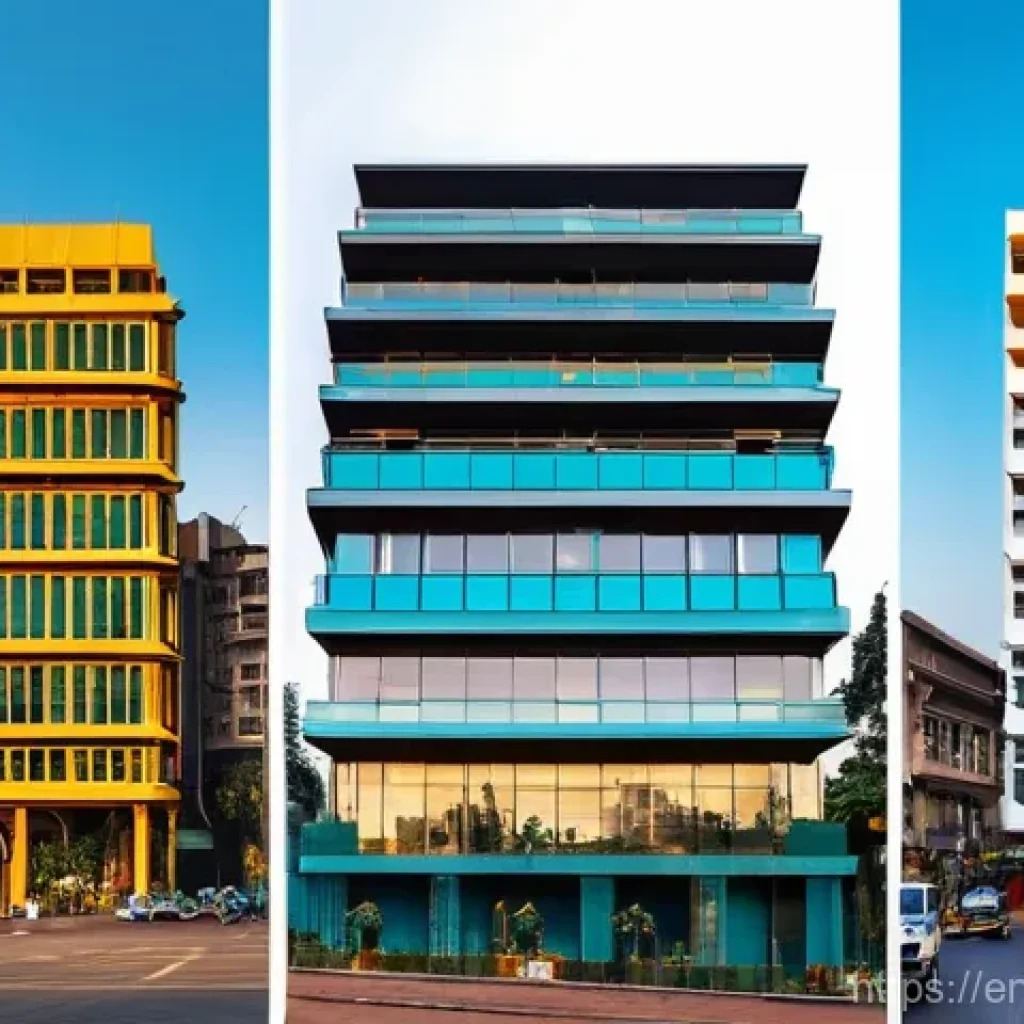
Hey there, architecture aficionados and travel dreamers! Have you ever paused to think about a city that’s constantly reinventing itself, literally building its future while honoring a rich, ancient past?
Well, I recently found myself utterly captivated by the dynamic architectural scene in Ethiopia, especially in its bustling capital, Addis Ababa. It’s not just about erecting tall buildings; it’s a vibrant conversation between deep-rooted traditions and cutting-edge design, something truly unique you won’t see just anywhere.
The city is a canvas of innovation, with local and international architects creating structures that are not only visually stunning but also incredibly smart, tackling modern challenges with ingenious, sustainable solutions.
From sleek high-rises reshaping the skyline to community-focused designs that breathe new life into urban spaces, Ethiopia’s contemporary architecture tells a powerful story of growth, aspiration, and a distinct identity emerging on the global stage.
It’s an inspiring blend of aesthetics, functionality, and cultural narrative that frankly, I can’t stop thinking about. So, if you’re ready to explore some truly breathtaking structures and understand the fascinating vision behind them, let’s dive in and discover the incredible world of modern Ethiopian architecture together.Hey there, architecture aficionados and travel dreamers!
Have you ever paused to think about a city that’s constantly reinventing itself, literally building its future while honoring a rich, ancient past? Well, I recently found myself utterly captivated by the dynamic architectural scene in Ethiopia, especially in its bustling capital, Addis Ababa.
It’s not just about erecting tall buildings; it’s a vibrant conversation between deep-rooted traditions and cutting-edge design, something truly unique you won’t see just anywhere.
The city is a canvas of innovation, with local and international architects creating structures that are not only visually stunning but also incredibly smart, tackling modern challenges with ingenious, sustainable solutions.
From sleek high-rises reshaping the skyline to community-focused designs that breathe new life into urban spaces, Ethiopia’s contemporary architecture tells a powerful story of growth, aspiration, and a distinct identity emerging on the global stage.
It’s an inspiring blend of aesthetics, functionality, and cultural narrative that frankly, I can’t stop thinking about. So, if you’re ready to explore some truly breathtaking structures and understand the fascinating vision behind them, let’s dive in and discover the incredible world of modern Ethiopian architecture together.
Shaping the Skyline: Addis Ababa’s Modern Marvels
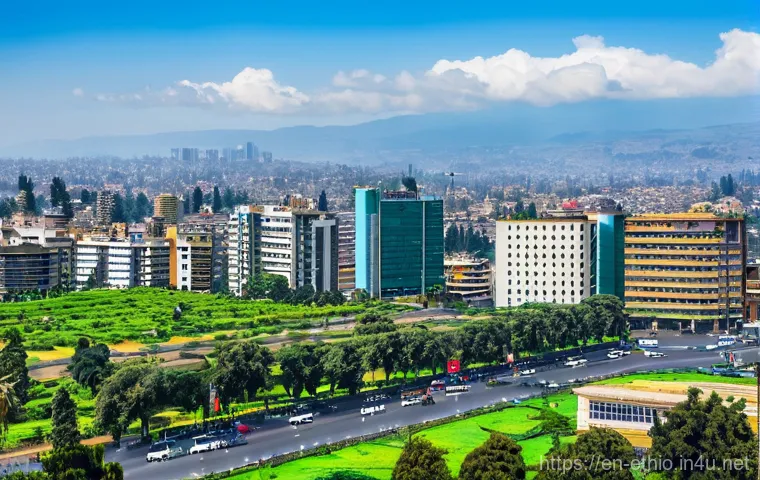
Stepping out into Addis Ababa, it’s immediately apparent that this isn’t just another African capital; it’s a city in fervent transformation, with a skyline that’s constantly evolving. I remember my first time truly taking in the sheer scale of the new developments – the impressive high-rises reaching for the clouds, sleek and often reflective, showcasing a bold departure from the city’s more traditional low-rise structures. It really makes you feel the pulse of a nation determined to build its future. This isn’t just about putting up taller buildings; it’s about crafting a contemporary identity that resonates on a global scale. The sheer ambition behind these projects is palpable, from mixed-use developments that are creating new urban hubs to striking commercial towers that house a burgeoning economy. I’ve often found myself just stopping, looking up, and trying to absorb the architectural narratives these new structures are telling. They speak of progress, economic vitality, and a quiet confidence in Ethiopia’s place in the modern world. It’s a truly exhilarating experience to witness this architectural metamorphosis firsthand, and it leaves you with a lasting impression of a city that’s anything but static. The speed at which some of these structures go up is astounding, a testament to the nation’s drive.
The Rise of Integrated Urban Spaces
- These new developments aren’t just isolated buildings; they’re often designed as integrated urban spaces, encompassing residential, commercial, and recreational zones. This thoughtful approach aims to create self-sufficient communities within the larger city, reducing commute times and fostering a more walkable urban environment.
- I’ve noticed a strong emphasis on pedestrian-friendly designs within these new clusters, a welcome change that encourages outdoor activity and community interaction. It’s refreshing to see city planning evolve to prioritize people’s daily lives and well-being.
From Vision to Verticality: Key Drivers
- The push for vertical growth is largely driven by a rapidly increasing urban population and a surging demand for modern infrastructure. This necessitates innovative solutions for housing and commercial spaces that make efficient use of limited land.
- International investments and a growing local economy are fueling much of this construction boom, bringing in advanced construction techniques and architectural expertise that are visibly reshaping the city’s aesthetic. It’s exciting to see how these collaborations are pushing the boundaries of what’s possible.
Beyond the Glass: Infusing Tradition into Contemporary Design
While Addis Ababa embraces modernity with open arms, what truly makes its architectural scene unique is the deep respect for tradition woven into the fabric of its contemporary designs. It’s not just about erecting glass boxes; it’s about a thoughtful dialogue between the old and the new, a conversation that frankly, I find incredibly moving. I’ve walked past buildings that at first glance seem cutting-edge, only to notice subtle yet profound elements inspired by ancient Ethiopian building techniques, motifs, and materials. This careful blending ensures that even as the city grows upwards and outwards, it never loses its soul. Architects, both local and international, are brilliantly incorporating elements like geometric patterns reminiscent of Lalibela’s rock-hewn churches or Aksumite stelae, or utilizing local stone and wood in innovative ways. It’s a beautiful testament to a culture that values its heritage while boldly stepping into the future. This approach really distinguishes Ethiopian architecture; it’s got a character you simply can’t find anywhere else. It feels authentic, grounded, and deeply personal, which makes exploring the city’s newer structures an absolute joy for someone like me who appreciates cultural depth.
Echoes of Ancient Kingdoms
- Many contemporary designs subtly reference historical structures, such as the intricate patterns found in traditional textiles or the robust stone construction techniques used in ancient castles and churches. This creates a sense of continuity and identity.
- I’ve seen how architects creatively re-interpret traditional window grilles or even entire building forms, transforming them into modern elements that still carry the weight of history. It’s truly an ingenious way to keep the past alive.
Local Materials, Global Aesthetics
- The intelligent use of local materials, like tufa stone or different types of indigenous wood, is a hallmark of this traditional-meets-modern approach. This not only supports local economies but also grounds the buildings firmly in their geographical context.
- When I visited some of these sites, I was particularly impressed by how these natural materials were integrated with modern steel and glass, creating textures and aesthetics that are visually rich and culturally resonant. It’s a tactile experience that adds so much depth.
Sustainable Futures: Green Architecture in the Horn of Africa
One of the most exciting aspects of Ethiopia’s burgeoning architectural scene, especially for someone like me who cares deeply about our planet, is the growing emphasis on sustainable and green building practices. It’s truly inspiring to see architects and developers in Addis Ababa not just aiming for aesthetic appeal, but also for environmental responsibility. My recent observations have confirmed that this isn’t just a trend; it’s becoming a fundamental principle. We’re talking about buildings designed to minimize energy consumption through passive ventilation and natural lighting, rainwater harvesting systems, and the integration of green spaces on rooftops and vertical gardens. The hot Ethiopian sun, for instance, is being harnessed for solar power, reducing reliance on conventional energy sources. This commitment to sustainability isn’t merely about global best practices; it’s a pragmatic response to local environmental challenges and a forward-thinking investment in the nation’s future. It demonstrates a profound understanding that truly modern architecture must be eco-conscious. I genuinely believe this holistic approach sets a powerful example for other developing cities globally, showing that growth can indeed go hand-in-hand with environmental stewardship.
Harnessing Natural Elements
- Many new buildings are designed to leverage Ethiopia’s climate, using passive solar design for heating in cooler months and strategic shading for cooling during hotter periods. This intelligent use of natural resources significantly cuts down on energy costs.
- I’ve personally seen innovative ventilation systems that eschew air conditioning in favor of natural airflow, a smart and cost-effective solution that works beautifully in the local climate. It’s about working with nature, not against it.
Innovative Material Choices and Waste Reduction
- There’s a noticeable shift towards using locally sourced, low-impact, and recyclable materials in construction, reducing the carbon footprint associated with transportation and manufacturing. This conscious material selection is a big step forward.
- Waste reduction during the construction phase and designing for the entire lifecycle of a building are also becoming critical considerations. It’s a comprehensive approach that aims for minimal environmental impact from conception to completion.
Community at the Core: Designing for People, Not Just Progress
What I find particularly heartwarming about the architectural evolution in Addis Ababa is that it’s not solely focused on monumental structures or corporate headquarters. There’s a powerful undercurrent of design that places community and human well-being at its very core. It genuinely touched me to see projects that prioritize public spaces, affordable housing, and accessible urban infrastructure. This people-centric approach is a refreshing contrast to the often-impersonal development seen in some rapidly growing cities. Architects are working to create vibrant, livable neighborhoods where residents feel connected and have access to essential services and green areas. My experience on the ground confirms that this isn’t just theoretical; you can see it in the meticulously planned parks, the communal courtyards, and the thoughtful integration of local markets into larger complexes. It truly fosters a sense of belonging and strengthens the social fabric of the city. This commitment to building inclusive, resilient communities through architecture speaks volumes about Ethiopia’s vision for a future where progress is shared by everyone, not just a select few. It’s a powerful reminder that the best architecture serves humanity first.
Revitalizing Urban Spaces
- Many projects involve the revitalization of existing urban spaces, transforming neglected areas into bustling community hubs with green parks, walkways, and spaces for social gatherings. These efforts breathe new life into older neighborhoods.
- I’ve observed how these revitalized spaces often become catalysts for local businesses and cultural events, genuinely enhancing the quality of life for residents in tangible ways. It’s a testament to the power of thoughtful urban planning.
Affordable and Accessible Housing Solutions
- A significant portion of new architectural endeavors is dedicated to developing innovative solutions for affordable housing, addressing the needs of a diverse and rapidly growing population. These aren’t just basic units; they often incorporate good design principles.
- Architects are exploring modular construction and efficient design layouts to maximize space and reduce costs, ensuring that modern, well-designed homes are accessible to a broader segment of the population. It’s a huge step towards equitable urban development.
The Art of the Reimagined: Blending Old and New Aesthetics
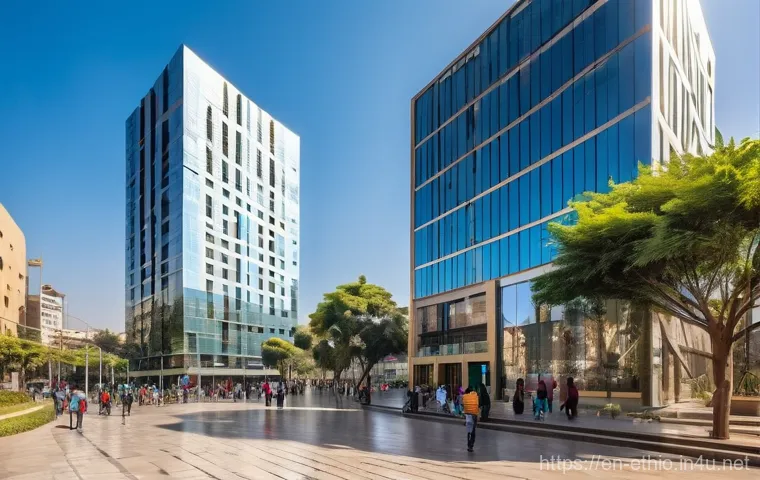
When I think about the architectural landscape of Addis Ababa, I’m consistently struck by the incredible artistic flair in how new structures engage with existing ones, creating a captivating blend of old and new aesthetics. It’s a delicate dance, a thoughtful reimagining of what a city can be when it honors its past while boldly embracing the future. I’ve witnessed buildings where the façade artfully mirrors traditional patterns, or where the massing of a modern high-rise subtly echoes the contours of nearby historical sites. This isn’t about mimicry; it’s about interpretation and a deep respect for the visual language of the city. The result is an urban tapestry that feels cohesive, yet incredibly dynamic. This thoughtful integration prevents the city from feeling disjointed, ensuring that even the most contemporary additions contribute to a unified, evolving identity. It’s like watching a painter add new strokes to a masterpiece, each one enhancing the whole without erasing what came before. For an architecture enthusiast like myself, this interplay is endlessly fascinating and makes exploring Addis Ababa’s streets a continuous journey of discovery, revealing new layers of meaning with every glance.
Visual Dialogues Across Eras
- Architects are skillfully creating visual dialogues between new structures and the existing urban fabric, ensuring that contemporary designs complement rather than clash with historical buildings. This thoughtful approach preserves the city’s character.
- I’ve seen instances where the choice of color palette, material textures, or even the alignment of windows in a modern building subtly refers to its older neighbors, creating a harmonious and aesthetically pleasing urban environment.
Innovative Use of Public Art and Installations
- Public art and sculptural installations are often integrated into new architectural projects, serving as a bridge between the building’s function and its cultural context. These pieces frequently draw inspiration from Ethiopian heritage.
- My visits have shown me how these artistic elements not only beautify spaces but also serve as focal points for community interaction, adding another layer of cultural richness to the built environment. They truly bring buildings to life.
Ethiopia’s Global Dialogue: International Influences and Local Responses
It’s fascinating to observe how Ethiopia’s contemporary architecture, while deeply rooted in local context, is also actively engaged in a global dialogue, drawing inspiration from international trends while offering distinctly Ethiopian responses. I’ve personally seen how global architectural movements in sustainability, smart cities, and minimalist design are being interpreted and adapted to fit the unique cultural and climatic conditions of Addis Ababa. This isn’t just about importing foreign ideas wholesale; it’s a nuanced process of assimilation and innovation. International firms collaborate with local architects, leading to a vibrant exchange of knowledge and expertise. The result is a fusion where the precision and clean lines of global modernism meet the warmth and cultural depth of Ethiopian design sensibilities. This dialogue enriches both sides, bringing fresh perspectives to the local scene while showcasing Ethiopian ingenuity on the world stage. It really makes me proud to see how confidently and creatively Ethiopia is participating in the global architectural conversation, carving out its own distinct voice and contributing truly valuable lessons to the international community. It’s a beautiful testament to a nation that is both globally aware and fiercely proud of its unique identity.
Cross-Cultural Design Collaborations
- Many of the prominent new developments in Addis Ababa are the result of partnerships between Ethiopian and international architectural firms. These collaborations foster innovation by merging diverse design philosophies and technical expertise.
- I’ve found that these joint ventures often lead to buildings that are not only structurally sound and aesthetically pleasing but also culturally sensitive and contextually appropriate. It’s a true synergy of global talent.
Adapting Global Trends to Local Needs
- Ethiopian architects and urban planners are adept at taking global architectural trends – such as modular construction, smart home technology, or green building certification standards – and adapting them to suit local construction practices, material availability, and economic realities.
- This intelligent adaptation ensures that while the buildings are cutting-edge, they are also practical, affordable, and sustainable within the Ethiopian context. It’s about making global ideas work locally, which is incredibly smart.
Investing in Tomorrow: The Economic Impact of Architectural Innovation
Beyond the aesthetics and cultural narratives, the surge in contemporary architecture in Addis Ababa is a powerful engine for economic growth and future investment. From my observations, this construction boom isn’t just about physical structures; it’s about building a robust economy and attracting global capital. The sheer scale of development creates immense job opportunities, from skilled laborers and engineers to urban planners and interior designers. This ripple effect extends to local businesses, boosting demand for construction materials, services, and related industries. It’s a dynamic cycle that fuels further investment and economic diversification. I’ve talked to local entrepreneurs who are directly benefiting from this growth, feeling the positive impact on their livelihoods. Moreover, well-designed, modern infrastructure enhances the city’s appeal for international businesses and tourism, positioning Addis Ababa as a competitive hub in East Africa. This strategic investment in architecture is a clear signal of Ethiopia’s ambition to become a leading economic player, creating a stable and attractive environment for both local and foreign investors. It truly demonstrates a long-term vision for prosperity that uses the built environment as a key driver.
Job Creation and Skill Development
- The numerous large-scale architectural projects are generating a significant number of jobs across various sectors, from direct construction roles to related industries like manufacturing, logistics, and service provision. This is a massive boost to employment.
- I’ve seen initiatives focused on training local workforces in modern construction techniques and sustainable building practices, leading to a substantial enhancement of skills and expertise within the country. It’s an investment in human capital.
Attracting Foreign Investment and Tourism
- The development of modern, visually appealing infrastructure, including world-class hotels, conference centers, and commercial complexes, significantly enhances Addis Ababa’s attractiveness as a destination for foreign direct investment and international tourism.
- A modern and efficient urban environment signals stability and progress, encouraging global businesses to establish a presence and tourists to explore the vibrant culture, which I’ve personally experienced as a draw for visitors.
| Architectural Element | Traditional Inspiration | Contemporary Adaptation |
|---|---|---|
| Building Form & Massing | Echoes of Aksumite stelae, Lalibela churches’ monolithic structures. | Geometric high-rises, sculptural façades with strong vertical or horizontal emphasis. |
| Materiality | Local tufa stone, timber, thatch, mud (chika). | Re-contextualized local stone, engineered wood, concrete with local aggregate, sustainable composite materials. |
| Pattern & Ornamentation | Intricate patterns from Ethiopian crosses, textiles, religious manuscripts. | Abstracted geometric motifs on façades, perforated screens for light and privacy, decorative metallic panels. |
| Spatial Organization | Courtyard houses, community-focused compounds. | Integrated mixed-use developments, communal green spaces, pedestrian-friendly plazas within modern complexes. |
| Environmental Strategies | Natural ventilation, thick walls for thermal mass, strategic orientation. | Passive solar design, rainwater harvesting, green roofs, intelligent shading devices, renewable energy integration. |
글을마치며
As we’ve journeyed through the evolving landscape of Addis Ababa’s architecture, it’s clear that this city is more than just a collection of buildings; it’s a living, breathing testament to a nation’s vibrant spirit and forward-thinking vision. What truly resonates with me, having witnessed this transformation firsthand, is the incredible balance being struck between ambitious progress and profound respect for heritage. It’s a delicate dance that few cities manage so gracefully, and it genuinely leaves you with a sense of optimism for what’s yet to come. The energy here is infectious, and the buildings themselves tell a compelling story of a future being built with intention and pride.
알아두면 쓸모 있는 정보
1. When exploring Addis Ababa’s modern architecture, don’t rush! Many of the newer buildings integrate subtle traditional motifs and sustainable features that are easy to miss if you’re not paying close attention. Take your time, look closely, and truly absorb the details. I always find a new gem when I slow down.
2. Consider visiting areas like Bole Road, Meskel Square, and the area around the African Union Headquarters. These are hotbeds of contemporary development and offer some of the most striking examples of the city’s evolving skyline. It’s truly eye-opening to see how rapidly these zones are transforming.
3. While many of the new structures are privately owned, there are numerous publicly accessible areas within these integrated developments, such as plazas, green spaces, and commercial centers. These are fantastic spots to relax, people-watch, and get a feel for the city’s urban pulse.
4. For those interested in deeper insights, local architectural tours are becoming more available. These can offer a fascinating perspective on the design philosophies, challenges, and cultural significance behind the city’s architectural boom. Hearing from local guides often reveals layers you wouldn’t otherwise discover.
5. Don’t forget to look for the blend of old and new. Many contemporary structures are built near historic landmarks, creating a unique juxtaposition. Appreciating this dialogue between eras truly enriches the experience of understanding Addis Ababa’s architectural narrative. It’s a feast for the eyes and the mind!
중요 사항 정리
Addis Ababa’s architectural transformation is a powerful blend of global ambition and deep-seated cultural pride, prioritizing sustainable growth, community well-being, and a unique fusion of traditional aesthetics with modern design. This dynamic development isn’t just reshaping the city’s skyline; it’s a testament to Ethiopia’s economic vitality and its thoughtful approach to creating inclusive, future-ready urban spaces.
Frequently Asked Questions (FAQ) 📖
Q: What makes Ethiopian contemporary architecture so captivatingly unique compared to other developing urban centers?
A: Oh, that’s a fantastic question, and one I’ve been pondering quite a bit myself after experiencing it firsthand! What truly sets Ethiopian contemporary architecture apart, especially in Addis Ababa, is this incredibly rich and vibrant dialogue between its deep-rooted historical traditions and cutting-edge global design.
It’s not just about erecting modern buildings; it’s a careful, almost soulful, conversation. I’ve noticed architects here aren’t just copying international trends; they’re actively weaving in elements inspired by ancient Aksumite structures, the rock-hewn churches of Lalibela, or even traditional Oromo Gadaa architecture.
This blend results in something genuinely unique—structures that feel profoundly Ethiopian yet are strikingly modern and globally relevant. It’s a dynamic tension, a fusion that gives the cityscape a distinct character you simply won’t encounter anywhere else.
It feels like every new building is telling a story, reflecting a nation proudly embracing its past while boldly stepping into its future.
Q: How are architects in Ethiopia tackling modern urban challenges with innovative and sustainable designs?
A: From what I’ve seen and learned, Ethiopian architects are incredibly ingenious when it comes to tackling the real-world challenges of rapid urbanization.
They’re not just building; they’re problem-solving with a genuine commitment to sustainability and community well-being. Think about the challenges: rapid population growth, the need for affordable housing, managing resources, and integrating green spaces into a bustling city.
I’ve observed a strong focus on using locally sourced materials where possible, which not only supports local economies but also reduces the carbon footprint.
There’s also a growing trend towards designs that prioritize natural ventilation and lighting, cutting down on energy consumption – a very smart move!
Beyond the purely environmental, many projects are designed with community at their heart, creating public spaces, courtyards, and pedestrian-friendly areas that foster connection and enhance urban living.
It’s truly inspiring to see how they’re creatively reimagining space and resources, turning obstacles into opportunities for groundbreaking, responsible design.
Q: What kind of distinct architectural narratives are emerging, showcasing Ethiopia’s identity on the global stage?
A: This is where it gets really exciting, in my opinion! Ethiopia’s contemporary architecture isn’t just about functional buildings; it’s consciously crafting a powerful narrative that speaks volumes about the nation’s identity and aspirations.
What I’ve found so compelling is the emergence of projects that are unequivocally modern in their form and function, yet unmistakably rooted in Ethiopian culture.
We’re seeing a diverse range of structures, from sleek, iconic high-rises that boldly reshape the skyline to culturally significant public buildings like museums and performance centers that reinterpret traditional motifs with stunning contemporary flair.
These aren’t just pretty buildings; they’re statements. They embody a sense of national pride, a vision of progress, and a confident assertion of Ethiopia’s unique place in the world.
It’s like the country is using architecture as a powerful language to tell its story—a story of resilience, innovation, and a vibrant cultural heritage that’s evolving and making its mark on the global architectural landscape.
It truly excites me to witness this unfolding architectural renaissance!