
Ethiopia stands out as one of Africa’s fastest-growing economies, with its exports playing a vital role in driving national development. The country’s export portfolio is diverse, ranging from agricultural products like coffee and spices to textiles and leather goods.
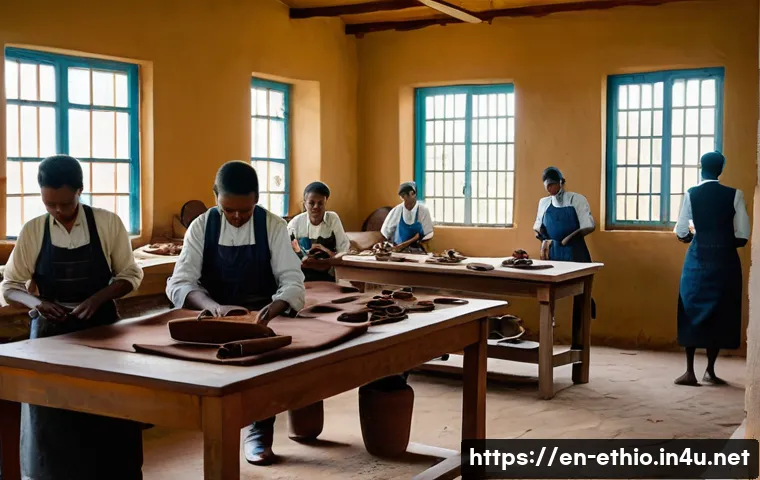
Coffee, often hailed as Ethiopia’s crown jewel, remains the top export and a significant source of income for millions of farmers. Beyond agriculture, Ethiopia is also expanding into manufacturing sectors, aiming to boost exports of garments and leather products.
Understanding these key export items gives us insight into the country’s economic landscape and future growth potential. Let’s dive deeper and explore Ethiopia’s main export commodities in detail!
The Backbone of Ethiopia’s Export Economy: Agricultural Treasures
Coffee – The Heartbeat of Ethiopian Livelihoods
Coffee isn’t just a crop in Ethiopia; it’s a cultural icon and a lifeline for millions of farmers across the country. Having personally visited some of the coffee-growing regions, I was struck by how deeply intertwined coffee is with local traditions and daily life.
Ethiopian coffee is renowned worldwide for its unique flavors and aromatic profiles, often described as fruity, floral, and wine-like. The country’s high-altitude growing conditions and diverse heirloom varieties create an unmatched quality that commands premium prices in international markets.
This crop alone accounts for a significant portion of Ethiopia’s foreign exchange earnings, supporting rural economies and enabling smallholder farmers to sustain their families.
Yet, despite its prominence, coffee farmers face challenges such as fluctuating global prices and climate change impacts that threaten yields and quality.
Spices and Pulses – Hidden Gems of the Agricultural Sector
Beyond coffee, Ethiopia’s spice exports, including cardamom, coriander, and cumin, offer a vibrant and flavorful contribution to the global market. These spices, often cultivated in small farms, benefit from Ethiopia’s rich soils and favorable climate.
What’s fascinating is how these products add value to the economy by catering to niche markets that crave authentic Ethiopian flavors, especially in Middle Eastern and European countries.
Pulses like chickpeas and lentils are also key players, prized for their nutritional benefits and versatility. Farmers cultivating these crops often practice traditional, organic farming methods, which appeal to health-conscious consumers worldwide.
Export growth in these commodities is steadily rising, reflecting the global demand for natural and wholesome food products.
Vegetables and Fruits – Emerging Opportunities in Fresh Produce
While not as dominant as coffee or spices, fresh vegetables and fruits from Ethiopia are gradually carving out a space in export markets. Items such as green beans, avocados, and mangoes are increasingly shipped to Europe and the Middle East.
The expansion of cold chain logistics and improved agricultural practices have allowed Ethiopian farmers to meet stringent quality and safety standards, which is critical for fresh produce exports.
I’ve observed that investment in infrastructure and export-oriented farming communities has been a game-changer, helping farmers boost yields and reduce post-harvest losses.
This sector’s potential is immense, especially as global consumers grow more interested in exotic and organic produce.
Textile and Apparel: Weaving Growth into Ethiopia’s Export Fabric
Garment Manufacturing – A Rising Star
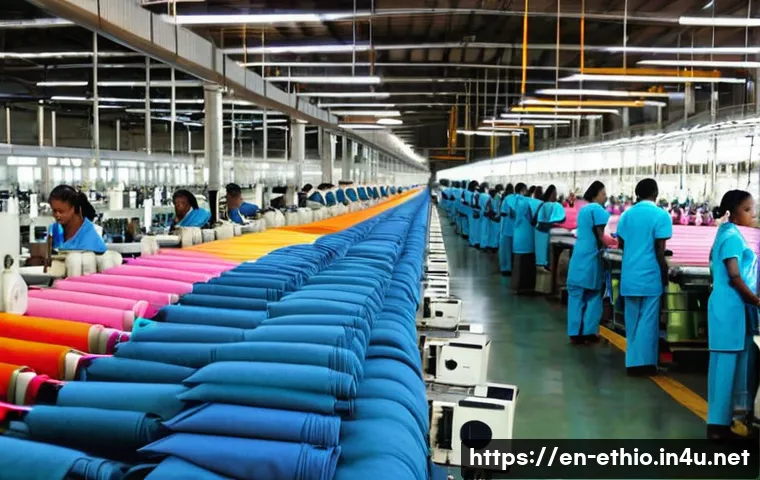
Ethiopia’s textile and garment industry has been a focal point of the government’s industrialization strategy, aiming to transform the economy and create jobs.
Having interacted with factory workers and managers, it’s clear that this sector is rapidly evolving, driven by foreign investment and government incentives like duty-free access to key markets such as the United States under AGOA (African Growth and Opportunity Act).
Ethiopian apparel factories produce garments ranging from basic t-shirts to more complex fashion items, targeting both local and international buyers.
The industry’s competitive advantage lies in relatively low labor costs combined with improving skill levels and infrastructure. However, challenges like inconsistent power supply and the need for skilled labor remain hurdles to scaling up production and exports.
Home Textiles and Traditional Fabrics
Another fascinating aspect of Ethiopia’s textile sector is its production of traditional fabrics like “Shamma” and “Gabi,” which are handwoven and reflect the country’s rich cultural heritage.
These products appeal to niche markets looking for authentic and artisanal goods. While these textiles are less volume-driven than mass-produced garments, they contribute to the country’s export diversity and cultural diplomacy.
International buyers increasingly appreciate the story behind these fabrics, which helps justify premium pricing and supports local weavers, often women who rely on this craft for income.
Leather and Leather Products: Crafting Quality for Global Markets
Ethiopia is blessed with one of the largest livestock populations in Africa, making leather a natural export commodity. What sets Ethiopian leather apart is its high quality, attributed to the breed of cattle and traditional tanning methods passed down through generations.
I’ve had the chance to visit leather tanneries where artisans handcraft shoes, bags, and jackets that meet international quality standards. These products are gaining traction in European and American markets, prized for their durability and unique aesthetic.
The government is also pushing for more value addition within the country, encouraging local manufacturing rather than exporting raw hides. This shift is crucial for increasing export revenues and creating sustainable employment.
Industrial Inputs and Emerging Export Niches
Processed Foods and Beverages
Ethiopia’s food processing industry, though still developing, is making strides in exporting packaged foods and beverages. Products like bottled juices, honey, and traditional alcoholic drinks such as Tej (honey wine) are finding enthusiastic consumers abroad.
I noticed that these exports are often linked to Ethiopian diaspora communities seeking authentic tastes from home. This connection creates a loyal customer base that helps new export products gain footholds in competitive markets.
The ongoing investment in food safety certification and packaging innovation is key to enhancing the appeal and shelf life of these products.
Essential Oils and Natural Extracts
Another promising niche is the export of essential oils extracted from native plants such as frankincense and myrrh. These aromatic resins have been prized for centuries in perfumery and traditional medicine.
Ethiopia’s unique biodiversity allows producers to offer high-quality, organic essential oils that attract buyers from cosmetics and wellness industries worldwide.
The harvesting and processing of these oils are labor-intensive and require specialized knowledge, which adds value and supports rural communities. International demand for natural and ethically sourced products aligns well with Ethiopia’s offerings, presenting a growth opportunity for this sector.
Handicrafts and Cultural Exports
Handmade crafts such as basketry, pottery, and jewelry also form an important part of Ethiopia’s export mosaic. These products embody the country’s rich artistic traditions and appeal to tourists and international collectors alike.
While these exports are smaller in volume compared to coffee or textiles, they carry cultural significance and help preserve indigenous skills. I’ve found that marketing these crafts through online platforms and international fairs has helped artisans reach a broader audience and secure better prices for their work.
Summary Table of Ethiopia’s Key Export Commodities
| Export Commodity | Main Export Destinations | Economic Role | Key Challenges |
|---|---|---|---|
| Coffee | USA, Europe, Japan | Primary foreign exchange earner, supports millions of farmers | Price volatility, climate change impact |
| Spices & Pulses | Middle East, Europe, Asia | Growing niche market, value-added products | Supply chain inefficiencies, market access |
| Textiles & Garments | USA, Europe | Job creation, industrial growth driver | Infrastructure gaps, skills shortage |
| Leather Products | Europe, USA | High-quality manufacturing, export diversification | Raw material export vs. value addition |
| Processed Foods & Beverages | Global, diaspora markets | Emerging sector, cultural connection | Certification standards, packaging |
| Essential Oils | Cosmetics, wellness industries worldwide | High-value niche, organic products | Harvesting knowledge, sustainable sourcing |
| Handicrafts | Global collectors, tourists | Cultural preservation, artisanal income | Market reach, pricing power |
Infrastructure and Policy: Catalysts for Export Growth
Transportation and Logistics Improvements
Ethiopia’s geographical position as a landlocked country has historically posed logistical challenges for exporters. However, recent investments in road networks, railways, and the expansion of the Djibouti port corridor have significantly reduced transit times and costs.
I have witnessed firsthand how these improvements ease the movement of goods, making Ethiopian exports more competitive. Efficient logistics are crucial for perishable items like coffee and fresh produce, where delays can mean quality loss and financial setbacks.
Continued infrastructure upgrades remain vital to sustaining export growth and attracting foreign investment.
Government Incentives and Export Promotion
The Ethiopian government actively supports exporters through tax breaks, export financing, and the establishment of industrial parks. These policies have encouraged foreign direct investment and the growth of export-oriented industries such as textiles and leather manufacturing.
From conversations with business owners, it’s evident that these incentives make a tangible difference in their ability to scale operations and enter new markets.
Additionally, export promotion agencies organize trade fairs and missions that connect Ethiopian producers with international buyers, fostering business relationships and market expansion.
Challenges in Regulatory Environment and Quality Control
Despite progress, exporters often face bureaucratic hurdles and inconsistent regulatory enforcement, which can complicate certification and compliance processes.
This is particularly challenging for agricultural exports that must meet stringent sanitary and phytosanitary standards abroad. I’ve heard from exporters that delays in paperwork and inspections sometimes hinder timely shipments, affecting their reputation and customer trust.
Strengthening institutional capacity and streamlining procedures are critical to ensure Ethiopia’s products meet international quality expectations consistently.
Human Capital and Innovation: Shaping the Future of Exports
Skills Development and Workforce Training
A skilled workforce is the backbone of any thriving export sector. Ethiopia’s focus on vocational training and technical education is starting to pay off, especially in manufacturing hubs where young workers are gaining expertise in garment production and leather craftsmanship.
From my observations, companies investing in employee development report higher productivity and better product quality. However, there’s still a gap in advanced technical skills and management capabilities, which calls for expanded training programs and partnerships with educational institutions.
Technology Adoption and Digital Transformation
Embracing technology is becoming a game changer for Ethiopian exporters. Digital platforms enable producers to connect directly with buyers, manage supply chains, and access market information more efficiently.
In agriculture, innovations like mobile apps for weather forecasts and price updates help farmers make informed decisions, improving yields and income stability.
Some exporters are also experimenting with blockchain for traceability, adding transparency that appeals to discerning consumers. The digital shift is gradual but critical for Ethiopia to compete in global value chains.
Entrepreneurship and Export Diversification
There’s a growing wave of young entrepreneurs in Ethiopia who are exploring unconventional export products and creative business models. These innovators often blend traditional knowledge with modern marketing, creating unique brands that resonate internationally.
For example, startups producing organic skincare from native plants or eco-friendly fashion items are gaining attention. This entrepreneurial spirit is essential for diversifying Ethiopia’s export base beyond traditional commodities, making the economy more resilient to global shocks and market fluctuations.
Supporting these ventures through access to finance and mentorship is crucial for sustained growth.
글을 마치며
Ethiopia’s export economy is a vibrant tapestry woven from its rich agricultural heritage, burgeoning industrial sectors, and innovative entrepreneurial spirit. The blend of tradition and modernization creates unique opportunities for sustainable growth and global market integration. While challenges remain, ongoing infrastructure improvements, government support, and human capital development are paving the way for a stronger export future. Embracing these strengths will be key to unlocking Ethiopia’s full potential on the world stage.
알아두면 쓸모 있는 정보
1. Coffee remains Ethiopia’s most valuable export, deeply connected to the country’s culture and rural livelihoods, but faces risks from climate change and price fluctuations.
2. Spices and pulses are growing niche markets internationally, appealing to health-conscious consumers with organic and traditional farming methods.
3. Investments in cold chain logistics and infrastructure have significantly boosted Ethiopia’s fresh produce exports, especially to Europe and the Middle East.
4. The textile and leather industries benefit from government incentives and foreign investment but require skilled labor and stable infrastructure to reach their full potential.
5. Emerging sectors like processed foods, essential oils, and handicrafts add diversity and cultural value to Ethiopia’s export portfolio, supported by digital innovation and entrepreneurial ventures.
핵심 포인트 요약
Ethiopia’s export landscape thrives on its agricultural strengths, particularly coffee and spices, complemented by growing industrial sectors like textiles and leather. Strategic infrastructure upgrades and government incentives have improved competitiveness, while challenges such as regulatory hurdles and skill shortages persist. Emphasizing workforce development, technology adoption, and export diversification will be crucial for sustainable growth and resilience in global markets.
Frequently Asked Questions (FAQ) 📖
Q: What are Ethiopia’s top export products, and why are they important?
A: Ethiopia’s top export product is coffee, often called the country’s crown jewel. It’s vital because it supports millions of small-scale farmers and generates a significant portion of foreign exchange earnings.
Besides coffee, Ethiopia exports spices like cardamom, as well as textiles and leather goods. These products are essential as they diversify the economy, reduce reliance on a single sector, and help create jobs, especially in rural and manufacturing areas.
Q: How is Ethiopia’s manufacturing sector contributing to its export growth?
A: Ethiopia’s manufacturing sector, particularly in garments and leather products, is rapidly expanding and becoming a key player in the country’s export landscape.
This shift helps Ethiopia move beyond traditional agricultural exports, adding value through processing and production. Personally, I’ve noticed that these industries are attracting foreign investment and creating employment opportunities, which boosts local economies and strengthens export revenues.
Q: What challenges does Ethiopia face in expanding its export markets?
A: Despite strong growth, Ethiopia faces challenges like infrastructure limitations, occasional political instability, and competition from other exporting countries.
For example, transportation delays can affect timely delivery, and global market fluctuations impact prices, especially for coffee. However, the government’s ongoing efforts to improve logistics and invest in industrial parks show promise in overcoming these hurdles to sustain export growth.