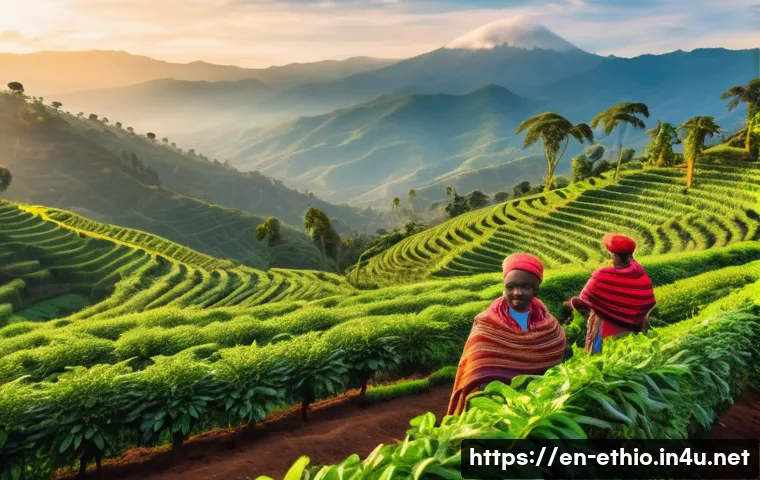
As the world grapples with climate change, Ethiopia is emerging as a beacon of hope through its groundbreaking forest conservation efforts. With innovative strategies that blend community involvement and cutting-edge technology, the country is not only restoring its own landscapes but inspiring a greener future across Africa.
This approach highlights how sustainable practices can combat deforestation while boosting local livelihoods. If you’ve ever wondered how one nation’s vision can ripple across a continent, Ethiopia’s story offers both insight and inspiration.
Let’s dive into how these initiatives are reshaping Africa’s environmental landscape for generations to come.
Empowering Communities as Stewards of the Forest
Building Local Ownership Through Participatory Management
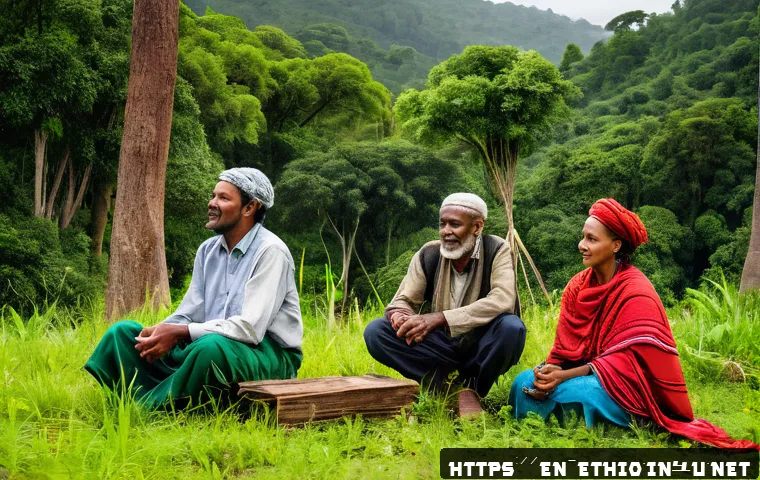
The real game changer in Ethiopia’s forest conservation journey has been the deep involvement of local communities. Rather than imposing top-down restrictions, the government and NGOs have focused on empowering residents living near forest areas to become active stewards.
This means villagers are not just passive observers but key decision-makers in how the land is protected and utilized. From establishing community forest user groups to training locals in sustainable harvesting techniques, these initiatives create a strong sense of ownership.
I’ve heard from several community members who said this approach made them feel valued and responsible, which naturally leads to better care of the environment.
It’s a powerful reminder that conservation isn’t just about trees—it’s about people’s lives and livelihoods intertwined with those forests.
Integrating Traditional Knowledge with Modern Practices
One fascinating aspect of Ethiopia’s approach is how it blends age-old indigenous wisdom with contemporary scientific methods. Many local communities possess an intimate understanding of their natural surroundings, passed down through generations.
Conservation programs here don’t dismiss that; instead, they incorporate traditional practices like controlled grazing, selective tree cutting, and sacred groves preservation.
Pairing these with modern tools such as satellite monitoring and GIS mapping creates a balanced, effective system. This dual approach not only respects cultural heritage but also enhances forest regeneration and protection.
From my perspective, it’s a beautiful example of how respecting the past can fuel a sustainable future.
Creating Economic Incentives to Sustain Engagement
Sustainability hinges on more than just good intentions—it requires tangible benefits for those protecting the forests. Ethiopia has innovated by linking conservation to income generation.
For example, eco-tourism initiatives allow communities to earn by showcasing their natural resources responsibly. Additionally, programs supporting sustainable harvesting of non-timber forest products like honey, spices, and medicinal plants provide alternative livelihoods that reduce pressure on trees.
I’ve seen firsthand how these economic incentives motivate locals to actively participate in forest upkeep. This win-win model aligns environmental goals with economic realities, making protection efforts far more resilient.
Leveraging Technology for Forest Monitoring and Restoration
Satellite Imagery and Real-Time Data Collection
Ethiopia’s forest conservation has embraced cutting-edge technology to keep a vigilant eye on changing landscapes. Satellite imagery enables authorities to monitor deforestation hotspots and track reforestation progress with unprecedented accuracy.
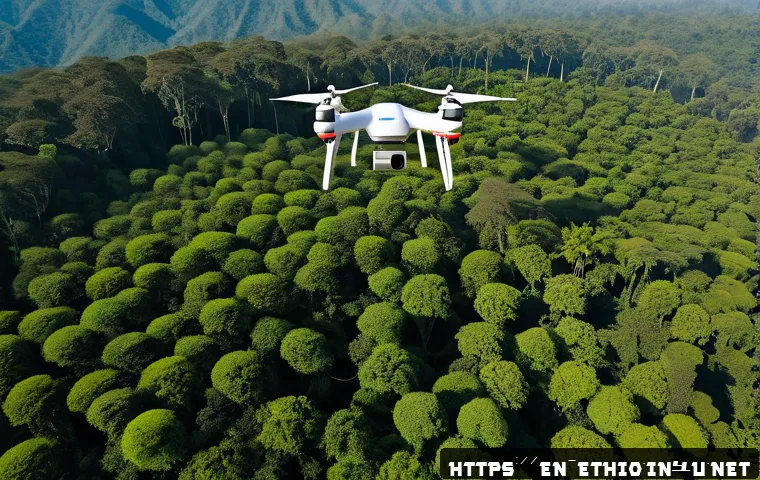
This real-time data helps quickly identify illegal logging or encroachment, enabling prompt response. I recall reading about how drones have been deployed to access hard-to-reach forest areas, providing detailed aerial views that improve planning and enforcement.
This tech-savvy approach transforms forest management from reactive to proactive, significantly boosting effectiveness.
Utilizing Mobile Apps to Engage Local Rangers and Citizens
The integration of mobile technology is another breakthrough. Forest rangers and local volunteers use apps to report illegal activities, track wildlife sightings, and collect ecological data.
This crowdsourced information feeds into centralized databases, improving transparency and coordination. From what I gather, these tools also facilitate communication between communities and conservation agencies, fostering trust and collaboration.
It’s inspiring to see how a smartphone can become a powerful weapon in the fight against deforestation.
Advanced Reforestation Techniques with Drones and Seed Balls
Reforestation efforts benefit enormously from innovative planting methods. Ethiopian projects have experimented with drones that disperse seed balls over large deforested areas quickly and efficiently.
This technique accelerates regeneration while minimizing human labor. Coupled with traditional tree nursery programs, it forms a comprehensive restoration strategy.
I find this combination of high-tech and hands-on work particularly compelling because it addresses scale and sustainability simultaneously, making forest revival more achievable.
Policy Frameworks Supporting Long-Term Forest Health
Legislation That Balances Conservation and Development
Ethiopia’s success isn’t just grassroots; it’s backed by robust legal frameworks that promote sustainable land use. The government has enacted policies restricting deforestation while encouraging reforestation and agroforestry.
These laws carefully balance the need for economic growth with environmental protection, ensuring that development doesn’t come at the expense of natural resources.
It’s clear from discussions with experts that consistent enforcement and community buy-in are critical to these policies working well. This balance creates a stable environment where forests and people can thrive together.
Incentivizing Private Sector Participation
Recognizing that government efforts alone aren’t enough, Ethiopia has also created incentives for private businesses to engage in forest conservation.
Tax breaks, subsidies, and public-private partnerships encourage companies to invest in sustainable forestry and eco-friendly products. This approach taps into the power of market forces, turning environmental stewardship into a viable business opportunity.
I’ve come across examples where local enterprises producing sustainable charcoal or timber have flourished thanks to such support, proving that profitability and preservation can coexist.
International Collaboration and Funding Mechanisms
Ethiopia’s conservation initiatives benefit greatly from partnerships with international organizations and donors. These collaborations bring technical expertise, financial resources, and global attention to local projects.
Mechanisms like REDD+ (Reducing Emissions from Deforestation and Forest Degradation) provide funding based on verified forest protection outcomes, creating a performance-based incentive.
From what I’ve observed, these international ties not only bolster resources but also help Ethiopia share its lessons with other nations facing similar challenges, amplifying the impact continent-wide.
Impact on Biodiversity and Climate Resilience
Restoring Habitats for Endangered Species
One of the most heartening outcomes of Ethiopia’s forest conservation is the positive effect on biodiversity. As forests regenerate, habitats for many endangered and endemic species are being restored.
Animals like the Ethiopian wolf and gelada baboon, which rely on intact ecosystems, benefit from the improved forest cover. Conservationists I’ve spoken with emphasize that protecting these species requires healthy, continuous forest landscapes, which Ethiopia’s efforts are increasingly providing.

This ecological revival is a vital step toward preserving the country’s unique natural heritage.
Enhancing Carbon Sequestration and Climate Mitigation
Forests act as giant carbon sinks, and Ethiopia’s restoration projects significantly contribute to climate change mitigation by absorbing CO2 emissions.
The increase in tree cover directly translates into more carbon stored above and below ground. This process helps offset emissions from agriculture and industry, making the country’s climate goals more attainable.
I find it encouraging that these local efforts are part of a global solution to a global problem—showing how national actions can ripple outward with meaningful effects.
Strengthening Community Resilience to Climate Impacts
Beyond carbon, healthy forests improve soil quality, regulate water cycles, and reduce erosion, which in turn supports agriculture and local water supplies.
These ecosystem services make communities more resilient to climate shocks like droughts and floods. From conversations with farmers in Ethiopia, it’s clear that better forest management translates into more stable harvests and less vulnerability to extreme weather.
This holistic benefit underscores how environmental and social well-being are deeply connected.
Education and Awareness Driving Cultural Shifts
Environmental Education in Schools and Villages
A cornerstone of lasting conservation is changing mindsets, and Ethiopia has invested heavily in environmental education. Schools incorporate forest ecology and sustainability into their curricula, while outreach programs raise awareness in rural areas.
I’ve seen how educating children and adults alike fosters a culture of respect for nature that transcends generations. These efforts create a foundation where future leaders are more informed and motivated to protect their environment.
Community-Led Campaigns and Storytelling
Local storytelling and cultural events play an essential role in spreading conservation messages. Communities use songs, theater, and traditional ceremonies to celebrate forests and highlight their importance.
This grassroots communication resonates deeply because it connects with people’s identities and values. From what I’ve gathered, these campaigns not only spread knowledge but also strengthen social bonds around shared environmental goals, making conservation a collective endeavor.
Role of Media and Social Platforms in Advocacy
Modern media channels amplify Ethiopia’s forest conservation story beyond local borders. Documentaries, social media campaigns, and news coverage highlight successes and challenges, attracting support and inspiring action.
I follow several Ethiopian environmental activists online, and their authentic voices and stories create powerful emotional connections. This media presence raises public pressure on policymakers and encourages wider participation, demonstrating how storytelling fuels real-world impact.
Challenges and Opportunities Ahead
Addressing Population Growth and Land Pressure
Despite progress, Ethiopia faces ongoing challenges linked to rapid population growth and competing land uses. Expanding agriculture and settlement often encroach on forest areas, creating tension between conservation and development needs.
I’ve heard from experts that innovative land-use planning and conflict resolution mechanisms are essential to balance these demands. Tackling this issue head-on will be crucial to sustaining forest gains while supporting livelihoods.
Scaling Up Successful Models Across Regions
While some regions have made remarkable strides, replicating successful community-based and technological approaches nationwide remains complex. Variations in culture, ecology, and governance require tailored strategies.
Ethiopia’s task is to adapt proven models flexibly, ensuring they fit local contexts without losing effectiveness. This scaling challenge presents an opportunity to refine methods and share best practices, ultimately strengthening the country’s environmental framework.
Harnessing Youth and Innovation for Future Progress
Young people represent a vital force for Ethiopia’s environmental future. Their energy, creativity, and tech-savviness can drive novel solutions and grassroots activism.
Programs engaging youth in forestry projects, innovation hubs, and climate advocacy are growing rapidly. I find it inspiring how this new generation is bridging tradition and modernity, ready to take stewardship into the 21st century with fresh ideas and commitment.
| Aspect | Key Features | Impact |
|---|---|---|
| Community Involvement | Participatory management, traditional knowledge integration, economic incentives | Enhanced forest protection, sustainable livelihoods, stronger local ownership |
| Technology Use | Satellite monitoring, mobile apps, drone-based reforestation | Improved surveillance, rapid response, scalable restoration |
| Policy Support | Conservation laws, private sector incentives, international partnerships | Legal backing, increased investment, global collaboration |
| Biodiversity & Climate | Habitat restoration, carbon sequestration, ecosystem resilience | Species recovery, climate mitigation, community adaptation |
| Education & Awareness | School programs, cultural campaigns, media advocacy | Cultural shift, informed public, broader support |
| Future Challenges | Population pressure, regional scaling, youth engagement | Need for balanced land use, adaptable models, innovation-driven progress |
In Conclusion
Empowering local communities, integrating traditional knowledge with modern technology, and fostering sustainable economic incentives have been key to Ethiopia’s forest conservation success. This holistic approach not only protects biodiversity and combats climate change but also strengthens livelihoods and cultural values. The journey continues with challenges ahead, yet the foundation laid offers hope for a greener, more resilient future.
Useful Information to Keep in Mind
1. Community involvement through participatory management builds strong ownership and commitment to forest protection.
2. Combining indigenous wisdom with modern technology creates an effective and culturally respectful conservation strategy.
3. Economic incentives such as eco-tourism and sustainable harvesting motivate ongoing local engagement.
4. Advanced tools like satellite imagery and drones enhance monitoring and restoration efforts efficiently.
5. Education and media campaigns cultivate a lasting cultural shift toward environmental stewardship.
Key Takeaways
Successful forest conservation requires a balanced blend of community empowerment, innovative technology, supportive policies, and continuous education. Addressing challenges like population growth and regional disparities demands adaptable solutions and active youth involvement. Ultimately, integrating environmental health with social and economic well-being forms the cornerstone of sustainable forest management.
Frequently Asked Questions (FAQ) 📖
Q: How is Ethiopia involving local communities in its forest conservation efforts?
A: Ethiopia places a strong emphasis on community participation by engaging local people as key stakeholders in forest management. Villagers are trained in sustainable farming and tree-planting techniques, which not only helps restore degraded lands but also provides them with alternative income sources.
This hands-on involvement fosters a sense of ownership and responsibility, making conservation efforts more effective and long-lasting. From my experience reading about these projects, the blend of traditional knowledge with modern practices creates a powerful synergy that empowers communities to protect their environment.
Q: What role does technology play in Ethiopia’s forest restoration initiatives?
A: Technology is a game-changer in Ethiopia’s approach to forest conservation. The country uses satellite monitoring and drone surveillance to track deforestation patterns in real time, allowing for quicker responses to illegal logging or environmental threats.
Additionally, data analytics helps optimize reforestation efforts by identifying the best areas for planting specific tree species. Having seen similar tech-driven conservation projects elsewhere, I can say that integrating advanced tools not only increases efficiency but also improves transparency, which builds trust among stakeholders and donors.
Q: Can Ethiopia’s forest conservation model be replicated in other
A: frican countries? A3: Absolutely. Ethiopia’s model is a compelling example of how combining grassroots involvement with innovative technology can yield impressive results.
While each country faces unique challenges, the core principles—community empowerment, sustainable resource use, and leveraging modern tools—are adaptable across diverse environments.
Several African nations have already started adopting similar strategies inspired by Ethiopia’s success. In my opinion, this approach offers a hopeful blueprint for tackling deforestation continent-wide while supporting local economies.