Exploring the vast, untamed beauty of Ethiopia’s grasslands has always been a dream of mine, and honestly, a topic that keeps popping up in my research about fascinating global ecosystems.
It’s more than just stunning landscapes; these vibrant plains are teeming with life, facing unique challenges, and holding incredible secrets that are crucial for our planet’s biodiversity.
You know, sometimes I just scroll through incredible photos and imagine myself right there, feeling the sun on my face and hearing the distant calls of wildlife.
The dynamic interplay between the climate, the diverse flora, and the iconic wildlife, like the elusive Ethiopian wolf and grazing herds, makes it an incredibly fragile yet resilient natural wonder.
Lately, I’ve been seeing a lot of buzz around the incredible conservation efforts and the impact of climate shifts on these precious habitats – it’s a constant reminder of how interconnected everything truly is.
It’s a place where history, culture, and nature intertwine in a way that’s simply breathtaking. Seriously, if you’re anything like me, you’re probably already hooked on the idea of diving deep into this topic.
So, let’s go on an amazing journey and uncover the hidden wonders of the Ethiopian grassland ecosystem together!
Ah, Ethiopia’s grasslands! What an incredible place, right? I can practically feel the cool, crisp air of the highlands and see the vast plains stretching out before me, buzzing with unique life.
It’s always been one of those destinations that just screams “adventure and wonder,” and the more I learn about it, the more hooked I get. Seriously, if you’re like me and constantly looking for places that offer both breathtaking beauty and a deep dive into vital ecological stories, then Ethiopia’s natural wonders are absolutely top-tier.
Let’s peel back the layers and discover what makes this place so special, and why we need to champion its future.
The Heartbeat of the Highlands: Ethiopia’s Endemic Wildlife
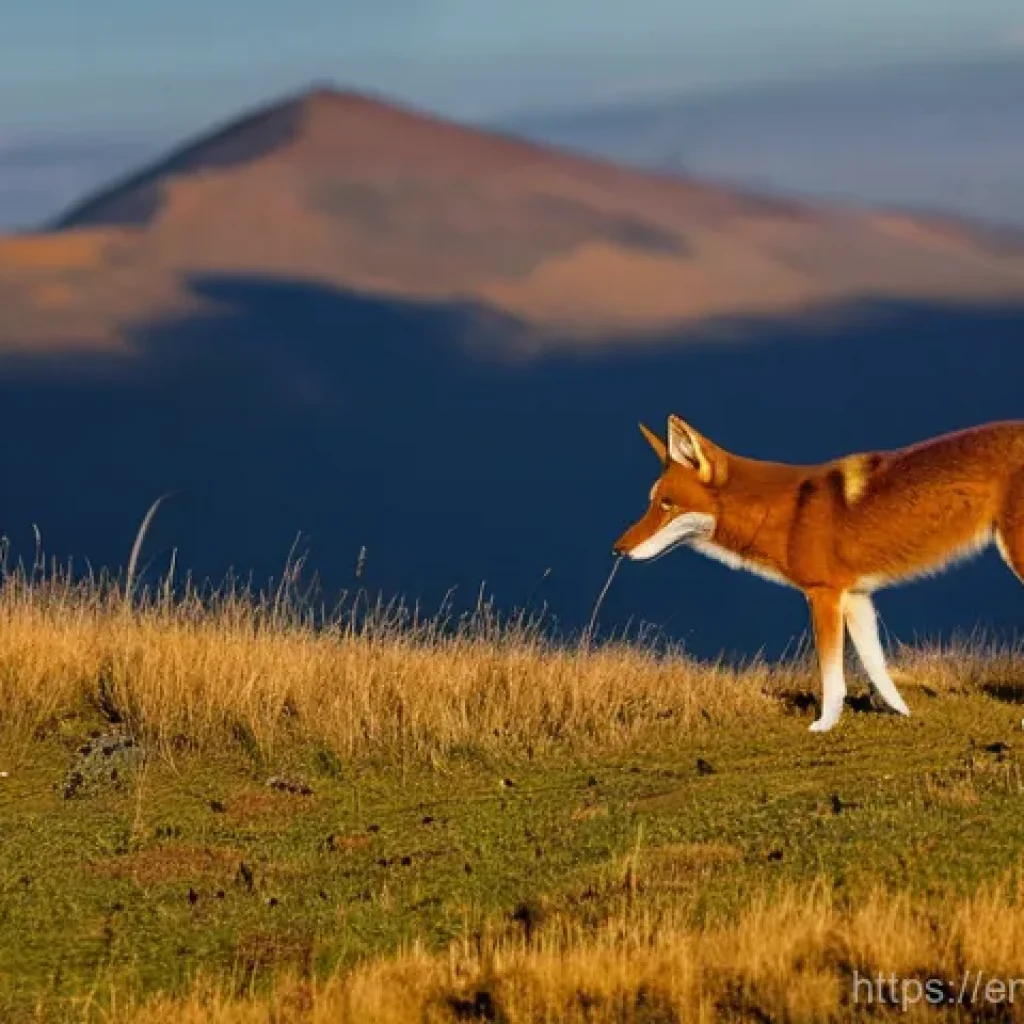
You know, whenever I think about a place, the first thing that often comes to mind is the incredible creatures that call it home, and Ethiopia’s highlands do not disappoint! It’s honestly like nature decided to put on its most exclusive show here, with a cast of characters you simply won’t find anywhere else on Earth. When I first stumbled upon images of the Ethiopian wolf, with its striking russet coat and slender build, I was immediately captivated. They’re such magnificent predators, perfectly adapted to their Afroalpine grassland home, primarily hunting rodents in the open plains. But it’s not just their stunning looks; these wolves are the rarest canid in the world, and their survival is a constant, delicate balance. Getting a chance to see one in the wild, or even just learn about their incredible social structures, really puts into perspective how vital these unique ecosystems are. It’s a bit humbling, honestly, to think about how much we stand to lose if we don’t step up for these incredible animals.
Guardians of the Grasslands: The Ethiopian Wolf
I’ve been following the conservation efforts for the Ethiopian wolf for a while now, and it’s a story of both urgency and inspiring dedication. These wolves, often called “Key Kebero” or red jackals by locals, are true highland specialists, mostly found in isolated pockets like the Bale Mountains and Simien Mountains. They’re pretty family-oriented, with packs made up of extended family members. But their world is shrinking fast, largely due to expanding agriculture and the ever-present threat of diseases like rabies and canine distemper spreading from domestic dogs. It’s a stark reminder that our actions, even far away, can have a huge ripple effect. Seeing how local communities are becoming “Wolf Ambassadors,” monitoring populations and even participating in vaccination programs for domestic dogs, truly warms my heart. It shows that when people come together, real change is possible, and these magnificent creatures have a fighting chance.
Beyond the Wolf: Other Iconic Residents
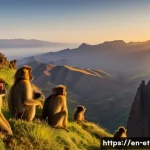
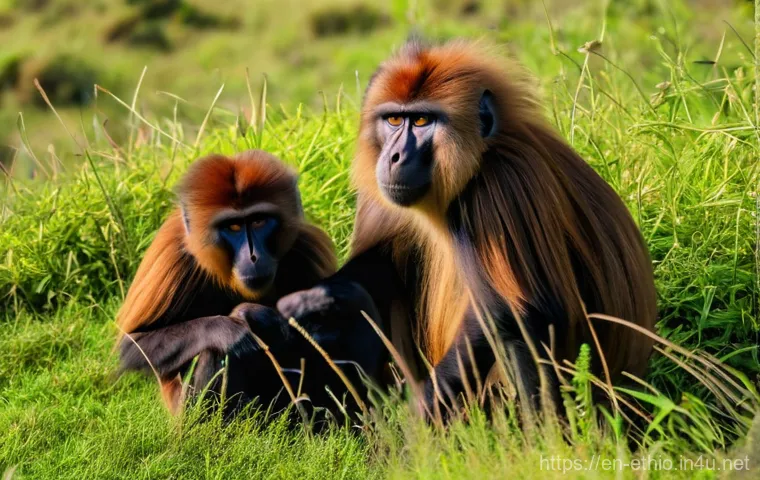
But wait, there’s more! The Ethiopian grasslands aren’t just about the wolves. Seriously, if you’re a wildlife enthusiast, you’re in for a treat. Have you ever seen a Gelada monkey? They’re often called “bleeding-heart baboons” because of the bright red patch on their chests. What’s super cool about them is that they’re the world’s only grass-grazing primates! Imagine seeing huge herds of them peacefully munching away on the high plateaus—it’s an unforgettable sight. Then there’s the Walia Ibex, these incredibly agile wild goats that cling to the steepest cliffs in the Simien Mountains, almost defying gravity. And let’s not forget the shy Menelik’s bushbuck, an antelope that moves like a ghost through the dense vegetation. It’s a veritable parade of unique biodiversity, and frankly, it just blows my mind how many species here are found nowhere else. It’s a constant source of wonder and a potent reminder of why protecting these lands is so critical.
A Tapestry of Life: Unique Flora of the Ethiopian Plains
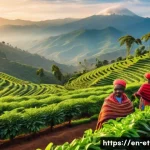
Walking through the Ethiopian grasslands, I often find myself marveling at the sheer variety of plant life. It’s not just endless stretches of grass; it’s a rich, vibrant tapestry that changes with altitude and season. Ethiopia boasts an incredibly diverse flora, with over 1,000 species of woody plants and a whopping 736 types of grass! Many of these are endemic, meaning they’ve evolved right here and are found nowhere else. Imagine spotting soft green guassa grass, which locals traditionally use for thatch and rope, alongside spectacular palm-like giant lobelias that can grow several meters tall. These plants aren’t just pretty to look at; they form the very foundation of this complex ecosystem, providing food and shelter for all the unique wildlife we just talked about. I’ve heard stories from local guides about how even slight changes in rainfall can dramatically alter the landscape, transforming a dry expanse into a lush green carpet almost overnight. It’s a powerful lesson in resilience and adaptation, and honestly, it makes me appreciate every single blade of grass even more.
From Afroalpine Moors to Acacia Woodlands
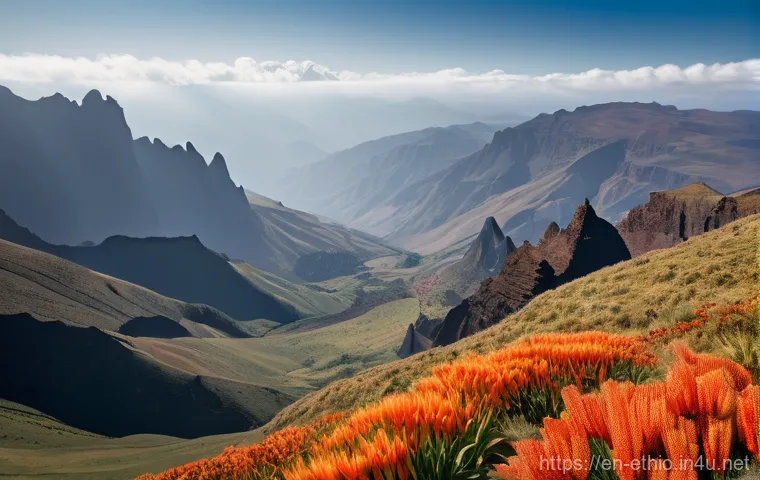
What’s really fascinating is how varied the plant communities are across the different elevations. In the high-altitude Afroalpine moorlands, especially in places like the Bale and Simien massifs, you’ll encounter plants adapted to extreme conditions, like tree heath and the magnificent giant lobelias. These areas feel almost otherworldly, with mist rolling in and unique flora thriving in a surprisingly harsh environment. As you descend, the landscape shifts into montane grasslands and woodlands. Here, you’ll find a mix of open grasslands interspersed with shrubs and trees. I’ve seen areas where thorny acacia trees dominate, creating that classic African savanna feel, and then higher up, pockets of Afromontane forests with fragrant junipers and African olives. It’s like stepping through different worlds within a single country! Each zone has its own distinct character and contributes to the overall biodiversity, making every trek an adventure of discovery. The sheer adaptability of these plant communities is something I find truly inspiring.
Guassa Grass and Giant Lobelias: Nature’s Icons
Let’s talk about some real superstars of the Ethiopian flora. Guassa grass, for instance, isn’t just common; it’s culturally significant. It’s a bunchgrass that local communities have relied on for generations, and it’s also a key component of the grazing lands for wildlife. Then there are the giant lobelias, particularly *Lobelia rhynchopetalum*, which can reach astonishing heights – sometimes up to 10 meters when in bloom! Picture these towering, almost sculptural plants standing sentinel on the Afroalpine plateaus; it’s a truly iconic image of the Ethiopian highlands. And those striking aloe-like “red-hot-pokers” (genus *Kniphofia*)? Their spear-like orange and red flowers, usually blooming during the rainy season, are a magnet for bees and sunbirds. These plants aren’t just beautiful; they are critical indicators of the health of the ecosystem. I’ve always felt that understanding the flora is like reading the secret language of a landscape, and in Ethiopia, that language is incredibly rich and ancient.
Navigating the Challenges: Threats to Ethiopia’s Grasslands
As much as I adore talking about the breathtaking beauty and unique life of Ethiopia’s grasslands, it’s really important to address the elephant in the room: the significant challenges these incredible ecosystems are facing. It truly breaks my heart to see how human activities and global changes are putting immense pressure on these fragile habitats. We’re talking about a landscape that has supported communities and wildlife for centuries, but now it’s at a critical crossroads. Habitat loss is, without a doubt, the most pressing issue. With a rapidly growing population, there’s an increasing demand for agricultural land and space for livestock. I’ve heard stories about how farming is pushing further and further into previously wild areas, literally eating away at the homes of species like the Ethiopian wolf. It’s a complex situation because communities need to survive, but finding a balance that allows both people and nature to thrive is becoming incredibly urgent.
Habitat Encroachment and Overgrazing
Think about it this way: the highlands of Ethiopia, with their fertile soils and decent rainfall, are super attractive for human settlement. But this success comes at a cost. Subsistence farming, while essential for local livelihoods, is steadily taking over large swaths of the wolves’ range, pushing them to higher, less productive altitudes. And it’s not just farming; the sheer number of livestock – cattle, goats, and sheep – is leading to widespread overgrazing. I’ve read studies that suggest livestock density in some areas is more than three times the carrying capacity of the grasslands! This doesn’t just reduce the quality of pasture; it degrades the entire Afroalpine ecosystem, impacting the prey animals that wolves depend on. When you see a landscape that has been heavily grazed, it’s a stark visual reminder of the immense pressure. It makes you realize how interconnected everything truly is, and how quickly an imbalance can disrupt a delicate natural system.
The Perilous Dance with Disease and Conflict
Beyond habitat loss, there are other serious threats that keep me up at night. Disease, for instance, is a silent but deadly killer for many of Ethiopia’s endemic species. For the Ethiopian wolf, outbreaks of rabies and canine distemper, often transmitted from domestic dogs, have caused devastating population declines. Imagine losing 30% of a critically endangered population in a short period – it’s just heartbreaking. Then there’s human-wildlife conflict. As habitats shrink and competition for resources intensifies, livestock predation can lead to negative attitudes towards wolves and, in some cases, retaliatory killings. While many local herders understand the importance of wolves, especially compared to other predators, these conflicts are a grim reality. It’s a complex web of challenges, and it truly emphasizes the need for comprehensive solutions that consider both human needs and ecological health. It’s not an easy fix, but it’s a conversation we absolutely must have.
Climate Change’s Shadow: A Growing Threat to Ethiopian Grasslands
Now, let’s talk about something that looms large over all natural ecosystems globally, and Ethiopia’s grasslands are certainly not immune: climate change. It’s a massive, overarching challenge that compounds all the existing pressures on this already vulnerable environment. From my perspective, having watched and researched environmental shifts for years, it’s clear that the changes here aren’t just minor fluctuations; they’re significant alterations impacting everything from plant growth to wildlife behavior. I often think about the future generations and how these changes will affect their ability to experience the natural beauty and unique biodiversity that we cherish today. It’s a stark reminder that climate action isn’t just an abstract concept; it has very real, tangible consequences for places like Ethiopia’s stunning highlands.
Shifting Rains and Extreme Weather
One of the most immediate and devastating impacts of climate change in Ethiopia is the increasing variability in rainfall patterns. We’re seeing more frequent and intense extreme weather events – think longer, harsher droughts in some areas, and then sudden, severe floods in others. I’ve read reports detailing how agricultural GDP could drop significantly due to these rainfall shocks, directly affecting the 98% of cropland that relies on rainfed agriculture. These aren’t just abstract numbers; they represent real people, real livelihoods, and real hunger. For the grasslands, this means changes in vegetation composition, as plants struggle to adapt to unpredictable water availability. Imagine a farmer watching their crops wither from drought, only to then see their land inundated by unexpected floods. It’s a cruel cycle that highlights the urgent need for resilient strategies and support for these communities. The stability of these grasslands, and the life they support, hangs in a precarious balance.
Temperature Rises and Ecological Cascades
Beyond rainfall, rising temperatures are also playing a significant role. Studies show that Ethiopia’s mean annual temperature has been steadily climbing, with predictions of further warming in the coming decades. This might not sound like a huge change, but even a few degrees can have massive ecological ramifications. Higher temperatures lead to increased evaporation, contributing to water scarcity and further exacerbating drought conditions. For the unique flora of the Afroalpine zones, accustomed to cooler climates, these changes can be particularly stressful. Some species might be forced to migrate upslope to find suitable conditions, but with limited “up” to go and habitat fragmentation, this isn’t always a viable option. It’s an ecological cascade, where changes at one level impact everything else. When I consider the intricate web of life in these grasslands, from the smallest rodent to the majestic Ethiopian wolf, I realize how vulnerable they all are to these broad climatic shifts. It’s truly a race against time.
Hope on the Horizon: Pioneering Conservation Efforts
Even with all the challenges, it’s not all doom and gloom for Ethiopia’s grasslands, and honestly, that’s what keeps me going. There’s a real and growing commitment to conservation, driven by both dedicated organizations and local communities. It gives me a profound sense of hope to see people on the ground, working tirelessly to protect these unique ecosystems. I’ve always believed that while the problems can feel overwhelming, collective action and innovative solutions can truly make a difference. It’s about more than just preserving nature; it’s about ensuring a sustainable future for everyone who shares this planet. These efforts aren’t just about big initiatives, but often about small, thoughtful actions that add up to something monumental.
Community-Led Conservation Initiatives
What I find most inspiring are the community-led projects that empower local people to become stewards of their environment. For instance, the Ethiopian Wolf Conservation Programme (EWCP) isn’t just about scientific research; it’s deeply rooted in engaging local communities. They work with “Wolf Ambassadors” who help monitor wolf populations and even facilitate vaccination drives for domestic dogs to prevent disease transmission. It’s this kind of collaboration that truly works, creating a shared sense of responsibility. I also learned about the Guassa Community Conservation Area in the northern Highlands, where local Qero people have indigenous grazing management systems that help protect the unique Festuca bunchgrasses. When communities directly benefit from conservation, whether through ecotourism or sustainable resource management, they become powerful advocates for their natural heritage. It’s a win-win, really, and it’s a model that I think holds immense potential for other regions facing similar challenges.
Strategic Interventions and Sustainable Development
Beyond local efforts, there are broader strategic interventions making a real impact. Ethiopia has pledged to restore 15 million hectares of degraded landscapes as part of the African Forest Landscape Restoration Initiative (AFR 100) and has an ambitious Climate Resilient Green Economy (CRGE) strategy. These national-level commitments are crucial for creating a supportive framework for conservation. Think about the REDD+ Project in the Bale Mountains, where local people are paid to guard vast stretches of forest, leading to significantly reduced deforestation and even providing school scholarships through carbon credits. It’s a smart approach that links environmental protection directly to economic benefits. I’ve also heard about initiatives encouraging ecotourism that directly supports local communities, such as booking through operators who donate a percentage to conservation initiatives or staying at eco-friendly lodges that employ former poachers. These efforts show that protecting nature doesn’t have to be at odds with development; in fact, they can be mutually reinforcing. It’s about thinking creatively and valuing the long-term health of our planet as much as immediate gains.
| Ecosystem Feature | Key Characteristics | Conservation Status/Threats | Notable Species |
|---|---|---|---|
| Afroalpine Moorlands | High altitude (above 3000m), harsh climate, unique flora like giant lobelias. | Vulnerable, fragmented by human settlements and agriculture. | Ethiopian Wolf, Giant Lobelia, Walia Ibex. |
| Montane Grasslands & Woodlands | Middle elevations (1000-3000m), mix of grass, shrubs, and trees (Acacia, Juniper). | Critical/Endangered, facing severe habitat loss due to farming and overgrazing. | Gelada Monkey, Menelik’s Bushbuck, various endemic birds. |
| Harenna Forest (part of Bale Massif) | Moist tropical forest, diverse canopy, historically undisturbed. | Threatened by logging, expanding urban populations, and coffee/tea plantations. | Bale Monkey, Giant Forest Hog, Harenna Shrew. |
| Rift Valley Savannas | Lower elevations, wooded savanna with thorn trees, warmer climate. | Significant pressure from human expansion and climate change impacts like drought. | Various antelopes, larger carnivores (though less common in grasslands). |
Ecotourism: A Gateway to Understanding and Sustaining the Plains
Okay, let’s talk about something that truly excites me when it comes to places like Ethiopia’s grasslands: ecotourism! From my personal experiences traveling and seeing its impact firsthand, I genuinely believe it’s one of the most powerful tools we have for both conservation and community empowerment. It’s not just about snapping a few photos; it’s about creating meaningful connections, fostering appreciation, and directly channeling resources back into the places we visit. Imagine standing on a ridge in the Simien Mountains, watching a herd of Gelada monkeys graze, or catching a glimpse of an Ethiopian wolf in the Bale Mountains. That kind of experience isn’t just a trip; it’s a profound learning opportunity that stays with you long after you’ve returned home. And frankly, those unforgettable moments are what truly drive a desire to protect these lands.
Experiences that Transform
For me, ecotourism in Ethiopia isn’t just a vacation; it’s an education. It allows us to immerse ourselves in the natural beauty and witness firsthand the incredible biodiversity that calls these grasslands home. When you trek through areas like the Bale Mountains National Park, you’re not just seeing landscapes; you’re connecting with a living, breathing ecosystem. Imagine the thrill of spotting a rare Walia Ibex scaling a rocky cliff or observing the intricate social dynamics of a Gelada troop. These aren’t just tourist attractions; they’re opportunities to understand delicate ecological balances. And let’s be honest, experiencing these wonders up close often ignites a passion for conservation that a textbook never could. It reinforces that feeling I always have: that the more we see and understand, the more we care, and the more we’re willing to support efforts to protect these places.
Fueling Conservation and Local Livelihoods
Beyond personal enrichment, responsible ecotourism plays a critical role in the sustainability of Ethiopia’s grasslands. When done right, it provides economic incentives for local communities to protect their natural resources. I’ve seen how revenue generated from park entrance fees, local guides, and eco-lodges can be directly reinvested into conservation programs, anti-poaching initiatives, and community development projects. It’s a tangible way to show that a living, thriving ecosystem is more valuable than one exploited for short-term gain. When local people benefit financially from protecting wildlife and habitats, it creates a powerful incentive for stewardship. Moreover, ecotourism often supports alternative livelihoods, reducing the pressure on unsustainable practices like overgrazing or deforestation. It’s about building a bridge between people and nature, where economic well-being and ecological health go hand-in-hand. This is why I’m such a strong advocate for mindful travel – every dollar spent thoughtfully can contribute to a brighter future for these irreplaceable lands.
The Future of Ethiopia’s Grasslands: A Call to Action
So, after diving deep into the wonders and challenges of Ethiopia’s grasslands, you might be feeling a bit like I do—a mix of awe, concern, and a burning desire to help. This isn’t just some far-off land; it’s a crucial part of our planet’s natural heritage, a place teeming with life found nowhere else. I genuinely believe that the future of these incredible ecosystems hinges on a collective commitment, from individuals like us who appreciate their beauty, to global organizations and local communities working hand-in-hand. We’ve seen the threats, but we’ve also glimpsed the powerful potential of human ingenuity and compassion when directed towards a common goal. It’s a future that demands our attention, our respect, and frankly, our proactive engagement.
Empowering Local Communities for Lasting Impact
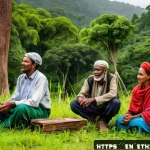
From my experience, the most effective conservation always starts at the local level. Empowering the communities who live alongside these grasslands is absolutely non-negotiable for long-term success. Think about how many generations have lived in harmony with this land; they hold invaluable traditional knowledge. By supporting initiatives that provide alternative livelihoods, like community-run ecotourism ventures or sustainable agriculture training, we help reduce the pressure on natural resources. When local men and women become “Wolf Ambassadors” or participate in forest protection programs, they’re not just employees; they’re guardians of their heritage. It creates a sense of ownership and responsibility that no outside intervention could ever replicate. I often think about the families whose daily lives are directly tied to the health of the grasslands—their resilience and wisdom are key to unlocking a sustainable future for everyone, humans and wildlife alike. Supporting their efforts isn’t just charity; it’s an investment in the planet.
Advocacy, Awareness, and Sustainable Choices
But it’s not just about what happens on the ground in Ethiopia; it’s about the choices we make every single day, no matter where we are. Raising awareness about the unique biodiversity and pressing issues facing these grasslands is a huge first step. Share articles like this one, talk to your friends, and engage in conversations about conservation. Educating ourselves and others about the impacts of climate change and unsustainable practices on fragile ecosystems worldwide can create a ripple effect. And when you travel, choose responsible ecotourism operators that genuinely invest in local communities and conservation efforts. Every conscious decision, from reducing your own carbon footprint to supporting ethical businesses, contributes to the bigger picture. The grasslands of Ethiopia are a testament to nature’s enduring wonder, and I truly believe that by acting together, with passion and purpose, we can ensure they continue to flourish for generations to come. Let’s make sure their untamed beauty is protected, forever.
Concluding Thoughts
Whew, what a journey we’ve taken through the breathtaking Ethiopian grasslands! It’s honestly impossible to walk away from this topic without feeling a deep sense of connection to its unique beauty and the incredible challenges it faces. My hope is that this dive into the lives of the Ethiopian wolf, the Walia Ibex, and the stunning flora has ignited a spark within you, just as it has in me. These aren’t just landscapes on a map; they are living, breathing ecosystems that tell a powerful story of survival, adaptation, and the urgent need for our collective care. It’s a reminder that every action, no matter how small, contributes to the bigger picture of conservation. Let’s make sure that the wild heart of Ethiopia continues to beat strong for generations to come, allowing future adventurers to experience the same awe and wonder that we’ve discussed today.
Useful Information to Know
If you’re as inspired as I am to explore or simply support Ethiopia’s incredible grasslands, here are some really useful tips to keep in mind. Based on my research and understanding, these points can truly make a difference, both for your experience and for the environment.
1. Best Time to Visit: The dry season, typically from October to March, is generally considered the best time for wildlife viewing. The weather is more stable, and animals are often easier to spot as they congregate around water sources. However, some prefer the lushness of the short rainy season (April-May) for birdwatching, though trekking can be more challenging.
2. Choose Responsible Tour Operators: Always opt for tour companies that prioritize sustainable practices, employ local guides, and directly contribute to conservation efforts. Look for operators who are transparent about how your money benefits the community and protects wildlife. A quick search for “eco-tourism Ethiopia” or checking reviews on platforms like TripAdvisor for ethical practices can guide you.
3. Respect Local Culture and Environment: When visiting, remember you are a guest. Dress modestly, especially in rural areas, and always ask permission before taking photos of people. Stick to designated trails, avoid littering, and minimize your environmental footprint to preserve these pristine habitats for future generations.
4. Key Species Spotting: While spotting an Ethiopian wolf or Walia Ibex requires patience and luck, keep an eye out for the vibrant Gelada monkeys, various endemic birds (Ethiopia is a birdwatcher’s paradise!), and the iconic giant lobelias. Hiring an experienced local guide significantly increases your chances of encountering these incredible species.
5. Support from Afar: If a trip isn’t possible right now, you can still help! Consider donating to reputable organizations like the Ethiopian Wolf Conservation Programme (EWCP) or other local conservation NGOs. Spreading awareness on social media and educating others about these unique ecosystems also makes a tangible difference.
Key Takeaways
Reflecting on everything we’ve uncovered, it’s clear that Ethiopia’s grasslands are a global treasure, bursting with life found nowhere else on Earth. The endemic species, like the magnificent Ethiopian wolf and the unique Gelada monkey, are not just fascinating; they are critical indicators of a fragile ecosystem under immense pressure. We’ve seen how human activities, from agricultural expansion and overgrazing to the devastating impacts of climate change, pose significant threats to these habitats. However, it’s not a lost cause; pioneering conservation efforts, especially those driven by local communities and supported by sustainable ecotourism, offer a powerful beacon of hope. My biggest takeaway is that our collective awareness, responsible choices, and active support are absolutely essential to ensure these irreplaceable natural wonders can thrive. It’s a journey we’re all on together, and every step we take towards understanding and protecting these lands brings us closer to a more sustainable future for everyone.
Frequently Asked Questions (FAQ) 📖
Q: What makes the Ethiopian grasslands such a critical and fascinating ecosystem globally?
A: Oh, where do I even begin? Honestly, when I first started digging into this topic, I was just floored by how incredibly unique and vital the Ethiopian grasslands truly are.
You know, it’s not just another pretty landscape; it’s a biodiversity hotspot unlike almost anywhere else on Earth. We’re talking about vast expanses of Afroalpine and savanna grasslands that host an insane number of endemic species – creatures and plants you literally won’t find anywhere else.
Think of it as a natural fortress for incredibly rare animals like the majestic Ethiopian wolf, which is, by the way, the world’s rarest canid. These plains play a crucial role in regulating water cycles for the entire region, acting like a natural sponge and filter.
I’ve also found it so fascinating how deeply intertwined the history and culture of Ethiopia are with these very lands. Indigenous communities have lived here for centuries, developing an incredible traditional ecological knowledge that’s absolutely vital for understanding and protecting these areas.
It’s funny because sometimes we focus so much on rainforests or coral reefs, but these grasslands are just as, if not more, critical for global biodiversity and our planet’s overall health.
Every time I learn something new about them, I’m reminded of how truly special they are, and why we absolutely need to cherish them.
Q: What incredible wildlife can you spot in Ethiopia’s grasslands, and are they facing any unique challenges?
A: Okay, so if you’re like me and your heart beats a little faster at the thought of spotting rare wildlife, then the Ethiopian grasslands are going to blow your mind.
Beyond the iconic Ethiopian wolf that I mentioned, which is a truly breathtaking sight with its reddish-brown coat, there’s just so much more. You’ve got these incredible Gelada baboons, often called the “bleeding-heart baboons” because of that distinct patch on their chest, grazing peacefully across the plateaus.
And if you’re lucky, you might even catch a glimpse of the elusive Mountain Nyala or the Walia Ibex, both stunning animals that are sadly also found only in Ethiopia’s highlands.
I’ve seen some absolutely gorgeous photos of these creatures, and it just makes you want to pack your bags! But here’s the kicker – these amazing animals are up against some serious odds.
Their biggest challenge, honestly, is habitat loss. As human populations grow, more land is converted for agriculture and livestock, shrinking the space these animals need to survive.
Then there’s the issue of diseases spreading from domestic animals to wild populations, which can be devastating, especially for something as rare as the Ethiopian wolf.
It’s a delicate balance, and these creatures are truly fighting for their existence, which is why learning about them makes me feel so much more connected to their plight.
Q: How are conservation efforts and climate change impacting these vital plains, and what can we do to help?
A: This is a question that truly hits home for me because it’s where we can actually make a difference, you know? The impact of climate change on the Ethiopian grasslands is no joke; it’s exacerbating every existing threat.
We’re talking about more frequent droughts, unpredictable rainfall patterns, and shifts in temperature that directly affect the delicate balance of these ecosystems.
I’ve been following the news, and it’s clear that these changes are putting immense pressure on water sources and vegetation, which in turn impacts the wildlife.
However, it’s not all doom and gloom! There are some absolutely heroic conservation efforts underway. National parks like Bale Mountains National Park and Simien Mountains National Park are vital havens, and dedicated teams are working tirelessly on the ground.
I’ve seen stories of incredible community involvement, where local people are empowered to protect their lands, and anti-poaching units are doing incredible work.
There are even vaccination programs for livestock to prevent the spread of diseases to the wild wolves, which is such a smart, proactive approach. For us, the biggest thing we can do is support these organizations.
Donating to reputable wildlife conservation charities focused on Ethiopia, raising awareness, and making conscious choices about our own environmental footprint can have a huge ripple effect.
Every little bit truly helps to ensure these magnificent grasslands and their incredible inhabitants thrive for generations to come.