As the world rediscovers the joy of slow living and authentic cultural experiences, Ethiopia’s coffee ceremony stands out as a captivating ritual that invites us to pause and savor more than just a cup of coffee.

This timeless tradition, deeply woven into the social fabric of Ethiopian life, offers a unique glimpse into history, community, and flavor unlike any other.
Whether you’re a coffee enthusiast or a curious traveler, exploring this ceremony reveals rich stories and a sensory journey that transcends the ordinary.
Join me as we dive into the heart of Ethiopia’s coffee culture, uncovering the magic behind every carefully brewed cup. Trust me, once you experience this, your appreciation for coffee will never be the same.
The Art of Preparing Coffee: A Ritual in Motion
The Role of the Coffee Host
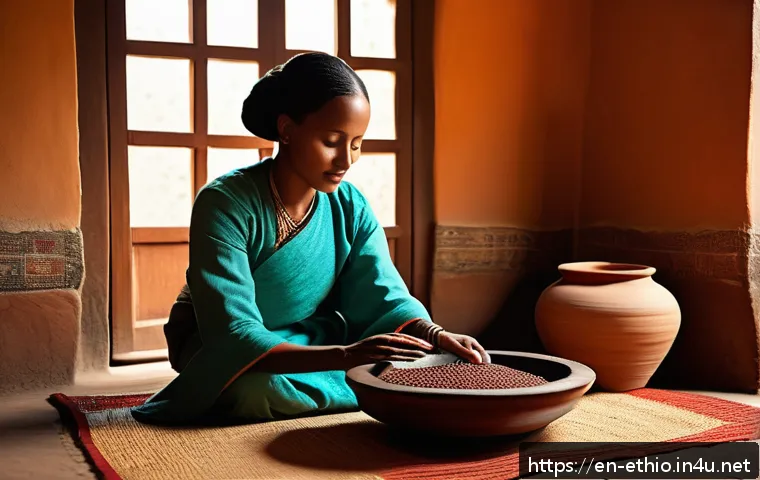
The moment you step into an Ethiopian home, the coffee ceremony begins with the host, often a woman, taking center stage. This isn’t just about making coffee; it’s a performance that showcases hospitality and respect.
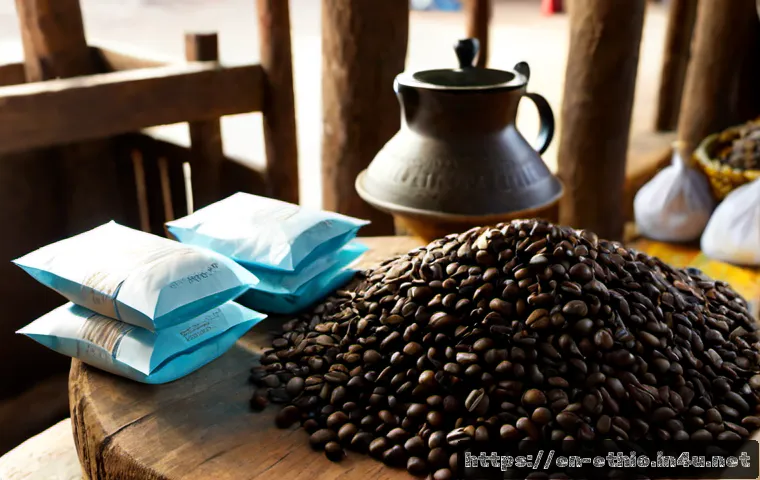
The host carefully selects green coffee beans, roasting them over a small charcoal brazier. The rich aroma that fills the room is almost hypnotic, signaling the start of something special.
I’ve noticed how the host’s gentle focus and deliberate pace create a calming atmosphere, inviting everyone to slow down and connect. It’s a beautiful reminder that coffee is not just a drink but a shared experience.
Roasting and Grinding: Crafting the Perfect Flavor
Watching the roasting process up close is like witnessing an ancient craft. The beans crackle and pop, shifting color from green to a deep, glossy brown.
This step is crucial because it unlocks the complex flavors hidden inside each bean. After roasting, the host uses a traditional mortar and pestle to grind the beans by hand.
This manual grinding produces a coarser texture than modern grinders, which actually helps preserve the coffee’s unique taste. The whole process takes time, but that’s the point—patience is part of the flavor profile here.
Brewing and Serving: More Than Just a Cup
Once ground, the coffee is brewed in a jebena, a special clay pot with a long neck and round base. The brewing is slow and deliberate, often taking 10-15 minutes to bring out a rich, full-bodied cup.
What fascinates me most is the communal nature of serving coffee. Each guest receives three rounds of coffee, called “abol,” “tona,” and “baraka,” symbolizing respect, friendship, and blessing.
This repetitive sharing deepens social bonds and extends the ceremony’s warmth far beyond the coffee itself.
Meaning Behind the Ceremony: Community and Connection
A Social Gathering Beyond Coffee
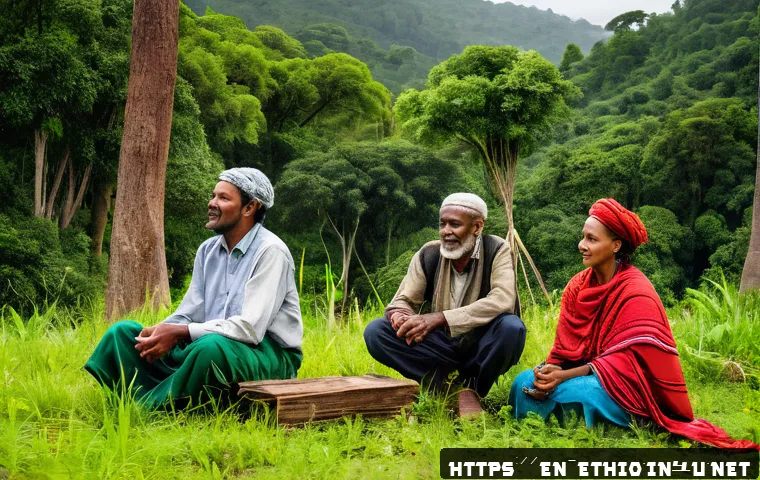
Unlike grabbing a quick cup at a cafe, the Ethiopian coffee ceremony is a time to pause and truly engage with others. It’s common for families, neighbors, and friends to gather, share stories, and enjoy each other’s company during the ceremony.
From my experience, this slows down the hectic pace of life and encourages genuine connection. It’s a tradition that fosters empathy and understanding, making it an essential part of Ethiopian culture.
Symbolism Woven into Every Step
Each phase of the ceremony carries symbolic meaning. The roasting represents transformation, the grinding echoes preparation for life’s challenges, and the brewing symbolizes patience and care.
The three servings reflect stages of life or cycles of relationships. This layer of meaning gives the ceremony a spiritual dimension, making it feel like a celebration of life itself.
Experiencing this, I found it impossible to view coffee merely as a morning pick-me-up again.
Gender Roles and Cultural Identity
Traditionally, women lead the coffee ceremony, highlighting their role as the keepers of culture and community. This ritual empowers them, giving a moment to shine and nurture relationships.
It’s a beautiful example of how culture and gender intertwine, reflecting social values and responsibilities. In contemporary Ethiopia, while some changes occur, the ceremony remains a vibrant symbol of identity and pride.
Flavors and Aromas: Tasting Ethiopia’s Terroir
Unique Coffee Varieties and Growing Regions
Ethiopia is often called the birthplace of coffee, and its beans carry a diversity of flavors unmatched anywhere else. From the floral, citrusy notes of Yirgacheffe to the earthy richness of Sidamo, each region’s coffee tells a different story.
Having tasted coffee from several Ethiopian regions, I can say that the terroir’s impact is profound. The altitude, soil, and climate all contribute to the beans’ character, making each cup a small journey through Ethiopia’s landscape.
How the Ceremony Enhances Flavor Perception
The slow brewing and attentive preparation elevate the coffee’s natural flavors. Since the beans are freshly roasted and ground, the aroma hits you immediately—an intoxicating blend of smoke, fruit, and earth.
Drinking the coffee in small sips during the ceremony helps you savor subtle nuances that quick coffee breaks never reveal. I’ve found that this mindful tasting deepens appreciation and transforms coffee into a sensory adventure.
Pairing Traditional Snacks for a Complete Experience
The ceremony often includes traditional snacks like popcorn, roasted barley, or spicy bread to complement the coffee. These snacks balance the coffee’s bitterness and provide texture contrasts, enriching the overall experience.
Sharing these treats along with coffee creates a festive atmosphere that’s as much about food as it is about drink. I always look forward to these pairings, which add warmth and flavor variety to the gathering.
Tools and Settings: The Essentials of the Ceremony
Understanding the Jebena and Its Importance
The jebena is not just a vessel; it’s a work of art and a symbol of Ethiopian heritage. Its unique shape helps control brewing temperature and extraction speed, crucial for the ceremony’s distinctive taste.
I’ve noticed that the design also encourages slow pouring, which keeps the coffee’s sediment settled. Owning a jebena or seeing one in action gives a tangible connection to centuries of tradition.
Traditional Utensils and Their Roles
Beyond the jebena, several other tools play key roles: the charcoal brazier for roasting, the wooden mortar and pestle for grinding, and small cups called ‘cini’ for serving.

Each item is chosen for its function and symbolic value, reinforcing the ceremony’s authenticity. The tactile experience of handling these tools makes the ritual feel alive and personal, something I rarely find in modern coffee preparation.
Ideal Settings: From Homes to Cultural Events
While the coffee ceremony most commonly takes place at home, it also features prominently at festivals, weddings, and community gatherings. The setting often involves sitting on woven mats or cushions around a low table, creating an intimate and relaxed environment.
I remember attending a ceremony at a cultural festival where the ambiance was so inviting, it felt like stepping back in time. This setting amplifies the ceremony’s sense of belonging and celebration.
The Ceremony’s Role in Modern Ethiopia and Beyond
Preserving Tradition in a Changing World
Despite urbanization and modern coffee shops sprouting across Ethiopian cities, the coffee ceremony remains a strong cultural pillar. Many young Ethiopians still honor the ritual, sometimes blending it with contemporary lifestyles.
I find this blend fascinating because it shows resilience and adaptability—tradition doesn’t have to be static but can evolve while keeping its essence intact.
Introducing Ethiopian Coffee Culture Globally
As Ethiopian coffee gains international fame, the ceremony has become a cultural ambassador. Coffee shops and cultural centers worldwide now host ceremonies, offering a taste of Ethiopia’s rich heritage.
I’ve had the chance to attend such events in major cities, and they provide a meaningful way to connect with Ethiopian culture beyond just drinking coffee.
This global sharing enhances appreciation and respect for the tradition.
Opportunities for Sustainable Coffee Tourism
The coffee ceremony also plays a key role in sustainable tourism, encouraging travelers to engage authentically with local culture. Visiting coffee-growing regions and participating in ceremonies supports communities economically and culturally.
From personal experience, these trips are eye-opening, allowing deeper understanding of the labor and love behind each cup. It’s a win-win for visitors and hosts alike.
How to Experience the Ceremony Respectfully
Learning Before You Go
If you plan to attend or host an Ethiopian coffee ceremony, it’s important to understand its cultural significance. Reading about the tradition or talking to locals beforehand shows respect and enriches the experience.
I’ve found that even a bit of background knowledge makes the ceremony more engaging and meaningful.
Etiquette and Participation Tips
Participating means more than sipping coffee; it involves attentive listening, engaging in conversation, and appreciating the host’s efforts. Avoid rushing or interrupting the process.
When offered coffee, it’s polite to accept and try each round, showing gratitude. I’ve noticed that hosts appreciate when guests show curiosity and respect, which makes the ceremony more rewarding for everyone.
Bringing the Tradition Home
For those inspired to recreate the ceremony, start with sourcing high-quality Ethiopian beans and a jebena if possible. Invite friends or family and explain the ritual’s meaning.
While it might not match the full cultural context, this practice encourages slow living and mindful coffee drinking. Personally, I’ve found that even a simplified version brings warmth and connection to everyday life.
| Aspect | Description | Significance |
|---|---|---|
| Roasting | Green beans roasted over charcoal brazier | Releases aroma, symbolizes transformation |
| Grinding | Manual with mortar and pestle | Preserves flavor, echoes preparation |
| Brewing | Slow boiling in clay jebena pot | Enhances flavor, symbolizes patience |
| Serving | Three rounds served to guests | Represents respect, friendship, blessing |
| Setting | Sitting on mats, communal space | Encourages social bonding and relaxation |
Conclusion
The Ethiopian coffee ceremony is more than just brewing a cup; it’s a heartfelt ritual that celebrates community, patience, and tradition. Experiencing this ceremony offers a unique glimpse into Ethiopian culture, emphasizing connection through shared moments. Whether at home or in a cultural event, the ceremony invites us to slow down and appreciate life’s simple pleasures together.
Useful Information
1. The ceremony typically involves roasting green beans over charcoal, which releases a rich aroma and symbolizes transformation.
2. Grinding is done manually with a mortar and pestle, preserving the coffee’s unique flavors and honoring tradition.
3. Brewing takes place in a jebena, a clay pot designed to extract deep, complex flavors through slow boiling.
4. Coffee is served in three rounds, each representing respect, friendship, and blessing, fostering social bonds.
5. Traditional snacks like popcorn or roasted barley often accompany the coffee, enhancing the overall sensory experience.
Key Takeaways
The Ethiopian coffee ceremony is a rich cultural practice that blends hospitality, symbolism, and sensory delight. It highlights the important roles of women as cultural custodians and provides a meaningful way to connect with others. While adapting to modern life, the ceremony remains a vital expression of Ethiopian identity and offers valuable lessons in mindfulness and community for coffee lovers worldwide.
Frequently Asked Questions (FAQ) 📖
Q: What makes the Ethiopian coffee ceremony different from just drinking coffee?
A: The Ethiopian coffee ceremony is much more than simply enjoying a beverage—it’s a deeply social and cultural ritual that brings people together. Unlike grabbing a quick cup on the go, this ceremony involves roasting green coffee beans by hand, grinding them fresh, and brewing the coffee in a special clay pot called a jebena.
The process is slow and deliberate, allowing participants to connect, share stories, and savor the aroma and taste fully. Experiencing this ceremony feels like stepping into a living tradition where coffee is a symbol of hospitality, respect, and community.
Q: How long does a traditional Ethiopian coffee ceremony usually take?
A: On average, a traditional Ethiopian coffee ceremony takes about one to two hours from start to finish. This includes roasting the beans over an open flame, grinding them, brewing the coffee, and serving it in small cups.
The ceremony is intentionally unhurried, giving everyone time to enjoy the experience and conversation. From my own experience, the relaxed pace is what makes it so special—you’re encouraged to slow down and truly appreciate the moment, which is a refreshing change from our fast-paced daily lives.
Q: Can visitors participate in an Ethiopian coffee ceremony, and is it appropriate to do so?
A: Absolutely! Visitors are often warmly welcomed to join Ethiopian coffee ceremonies, and it’s considered a great honor to be included. Participating offers a rare chance to immerse yourself in Ethiopian culture and hospitality.
Just remember to be respectful—observe the host’s lead, accept the coffee with gratitude, and engage in the social aspect of the ritual. From my travels, I found that locals genuinely appreciate when visitors show interest in their traditions, making the experience all the more meaningful and memorable.