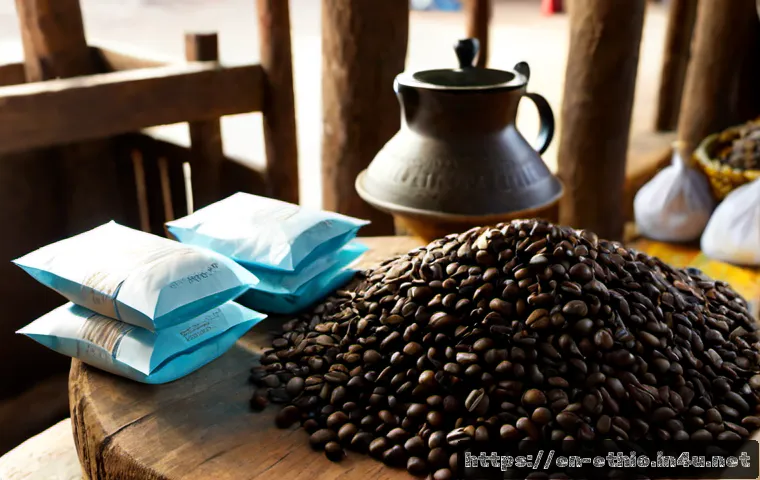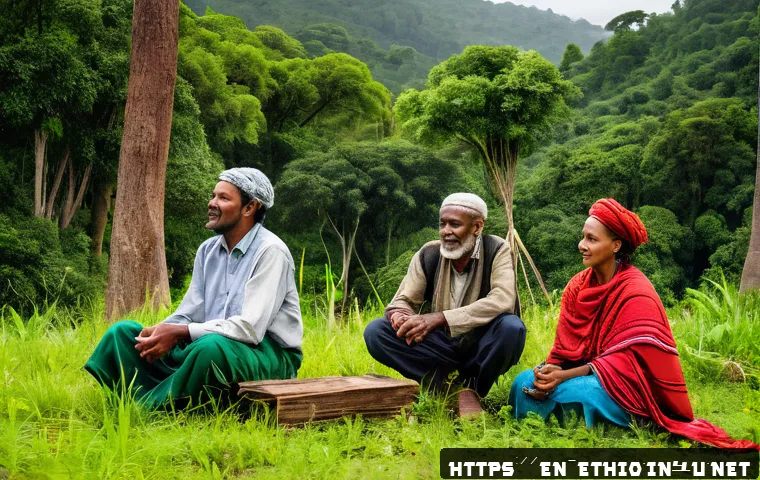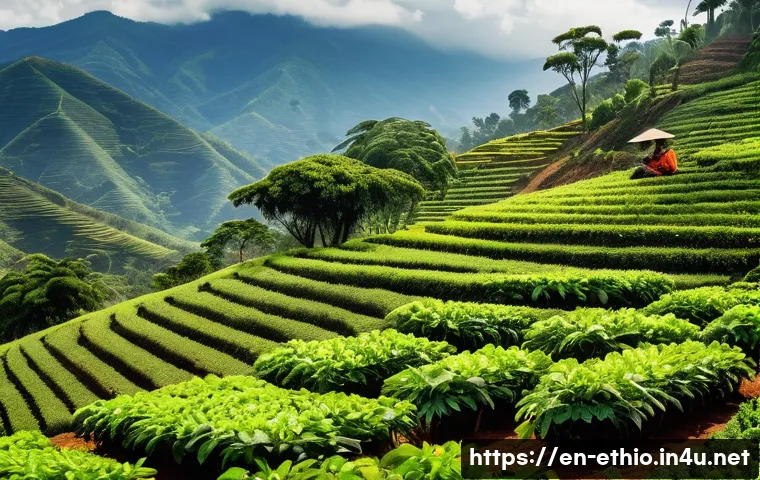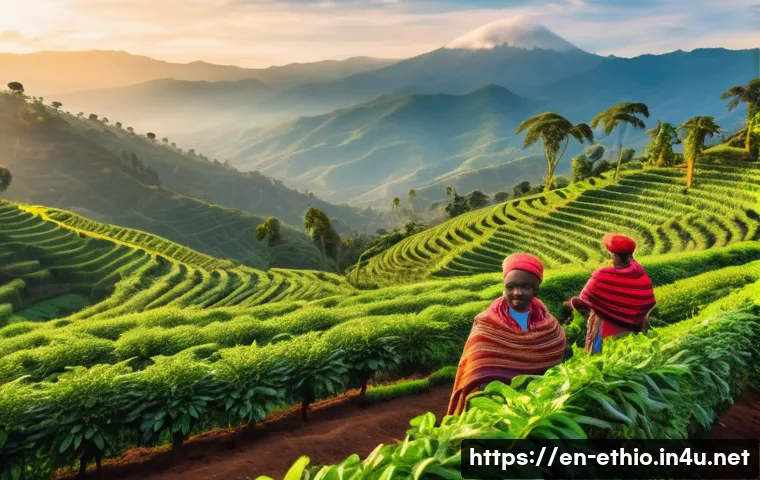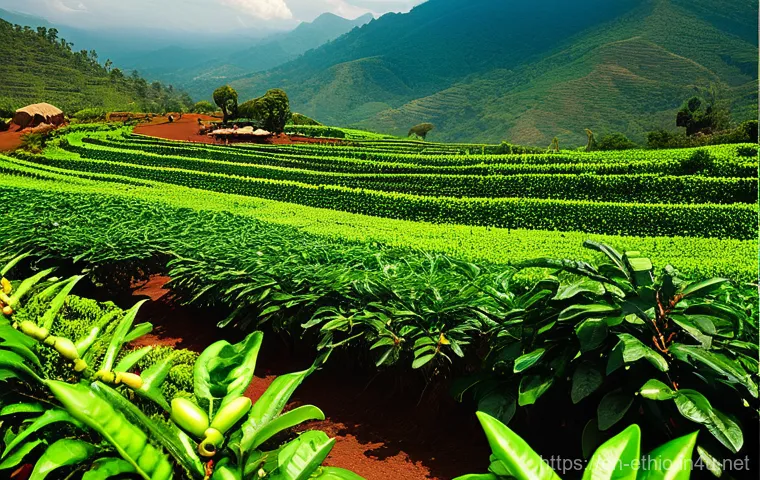
You know, when I think about the world of coffee, Ethiopia always comes to mind first. It’s not just the birthplace of Arabica; it’s a vibrant, ever-evolving market that truly sets the global standard for exceptional beans.
I’ve been watching closely, and what’s happening right now in Ethiopia’s coffee scene is nothing short of fascinating—we’re seeing record-breaking exports and a major push for specialty coffee, expanding into exciting new markets worldwide.
But it’s not all smooth sailing; there are significant hurdles, from the undeniable impact of changing climates to ensuring sustainable practices for the millions who depend on this incredible crop.
If you’re as passionate about coffee as I am, you’ll definitely want to know the ins and outs of this dynamic industry, especially what’s on the horizon for future predictions.
Let’s dive deeper and uncover the real story behind Ethiopia’s coffee market trends, what’s driving its incredible growth, and the challenges it’s bravely facing head-on!
The Ethiopian Coffee Boom: A Closer Look at Record-Breaking Exports
Surging Numbers and Global Impact
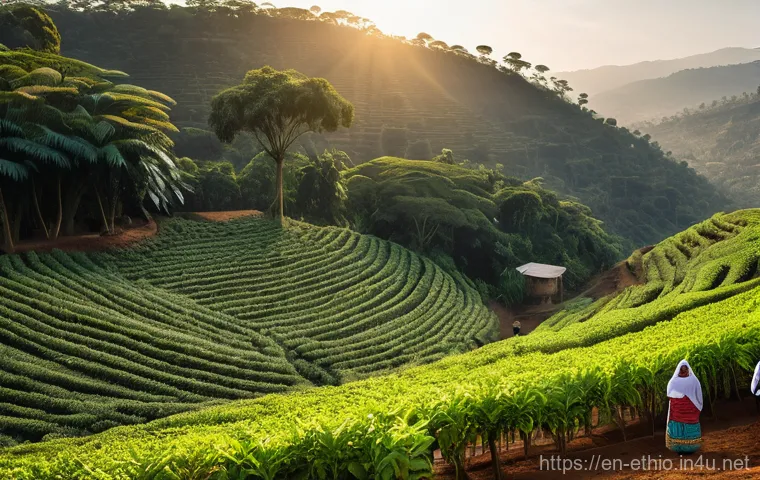
You know, I’ve been keeping a keen eye on the coffee market, and honestly, what’s happening in Ethiopia right now is absolutely phenomenal. We’re talking about record-breaking export figures that just send shivers down my spine – in the best way possible, of course!
Just look at the 2024/2025 fiscal year; Ethiopia raked in a staggering $2.65 billion from coffee exports, which is the highest annual earnings in the country’s history.
And get this, they exported 468,967 tonnes of coffee during that same period, surpassing the previous year’s volume by over 170,000 tonnes. It’s a massive leap and really shows the sheer dynamism of this sector.
I mean, we’re not just talking about incremental growth; this is a significant surge that truly highlights Ethiopia’s growing prowess on the global coffee stage.
The direct impact of this on the livelihoods of millions of Ethiopians, where coffee accounts for an estimated 30-35% of foreign income, is something truly special to witness.
It’s not just a commodity; it’s the lifeblood for so many families, and seeing these numbers go up means tangible improvements for real people. This isn’t just about selling beans; it’s about showcasing the incredible dedication and hard work of countless farmers.
New Horizons: Expanding Market Reach
What’s even more exciting is how Ethiopia is shaking up its export strategy and reaching out to new markets. It’s not just the usual suspects like Germany, Saudi Arabia, and the United States, which, by the way, are still top destinations.
Germany, for example, remains a major player, importing a significant portion of Ethiopia’s coffee. But the Ethiopian Coffee and Tea Authority (ECTA) has really been on the ball, announcing an expansion into over 30 new export destinations, growing their total reach from 64 to over 90 countries!
I personally find it incredibly inspiring to see how new buyers from Asia, particularly China and South Korea, are really stepping up and showing a strong appetite for Ethiopia’s specialty beans.
These emerging markets are now joining the traditional European and North American buyers, reflecting a truly shifting global demand for high-quality, distinctive Ethiopian coffee.
This market diversification is not just a smart business move; it’s a robust strategy that helps insulate farmers from market fluctuations and ensures a more stable future for the industry.
When I think about it, more markets mean more opportunities for those unique flavor profiles to be appreciated worldwide, and that’s a win-win for everyone involved!
What’s Brewing? The Driving Forces Behind the Growth
Government Initiatives and Strategic Vision
If you ask me, a huge part of Ethiopia’s recent coffee success story comes down to some really smart, forward-thinking moves by the government. They haven’t just sat back; they’ve actively nurtured this industry, which is super critical given coffee’s central role in the economy.
We’re talking about comprehensive policy reforms, like allowing more producers, even cooperatives and farmers, to export directly. I mean, that’s a game-changer!
It cuts out middlemen, giving farmers a bigger slice of the pie and more motivation to produce top-notch beans. There’s also this ambitious 15-year development strategy aiming to make Ethiopia the world’s second-largest coffee exporter by 2033, with a target of quadrupling export revenues to between $3.6 billion and $4.6 billion.
That’s some serious vision! Plus, initiatives like national training programs have been instrumental in improving farming and processing techniques, helping farmers adopt better practices and boosting overall quality.
They’re even pushing for the replacement of older coffee trees with high-yield, disease-resistant varieties, which, from my experience, is crucial for long-term productivity and resilience.
These aren’t just abstract policies; they’re tangible actions that I believe are genuinely transforming the sector from the ground up.
The Undeniable Power of Specialty Coffee Demand
There’s no denying it: the global appetite for specialty coffee is absolutely insatiable, and Ethiopia is perfectly positioned to capitalize on this trend.
When people talk about single-origin, high-quality, ethically sourced beans, Ethiopian coffee invariably comes up in conversation. The country is the birthplace of Arabica, after all, and its unique genetic diversity means incredible flavor profiles you simply can’t find anywhere else.
Think Yirgacheffe, Sidamo, Harrar – each offering a distinct experience that coffee enthusiasts crave. I’ve personally seen how roasters and consumers worldwide are increasingly valuing these unique characteristics, and they’re willing to pay a premium for them.
Specialty-grade coffees from Ethiopia are fetching prices 20-30% higher than commodity prices, which is fantastic for producers! This growing demand isn’t just about taste; it’s also tied to an increased awareness of sustainability and the story behind the bean.
Consumers want to know where their coffee comes from and that it’s been produced responsibly. This shift aligns perfectly with Ethiopia’s natural heritage of traditional and often shade-grown coffee, making it a darling in the specialty coffee world.
From Soil to Sip: The Heart of Ethiopian Coffee Production
Traditional Practices Meet Modern Advancements
What I really love about Ethiopian coffee production is this beautiful dance between ancient tradition and emerging innovation. Many farmers still rely on age-old methods, passed down through generations, often cultivating coffee as “garden coffee” around their homes, nestled alongside other crops.
This traditional approach, especially the dry processing method, is what gives many Ethiopian coffees their distinct fruity notes, a flavor profile I absolutely adore.
But don’t mistake tradition for stagnation! The industry is also embracing modern advancements. For instance, there’s a growing shift towards washed processing methods, which highlight those delicate floral notes that specialty buyers globally are clamoring for.
In fact, about 50% of Ethiopian coffee is now processed using the washed method. It’s a testament to the adaptability of these farmers and the industry as a whole.
They’re not abandoning their roots but rather thoughtfully integrating new techniques to enhance quality and meet diverse market demands. This blend of old and new is, in my opinion, what makes Ethiopian coffee so incredibly special and continuously exciting.
The Precious Arabica Varieties
Ethiopia is truly a treasure trove when it comes to Arabica coffee. It’s not just *a* birthplace; it’s *the* birthplace, the genetic homeland of Coffea Arabica, which means an unparalleled diversity of coffee varieties.
I’ve had the privilege of tasting so many different regional profiles—from the bright, citrusy notes of Yirgacheffe to the rich, wine-like tones of Harrar.
Each region, sometimes even each micro-lot, offers a unique sensory journey. This genetic richness isn’t just a marketing point; it’s a critical asset for the future.
As we face global challenges like climate change, having such a wide array of indigenous coffee types means a greater chance of finding varieties that are naturally resilient or adaptable to new conditions.
It’s like a living library of coffee, offering endless possibilities for new flavor profiles and robust growing traits. This inherent diversity ensures that Ethiopian coffee will continue to surprise and delight us for generations to come, a fact that truly excites me as a coffee lover.
Navigating the Storm: Climate’s Unpredictable Embrace
Rising Temperatures and Erratic Rainfall
As much as I love celebrating the highs of Ethiopian coffee, we can’t ignore the significant headwinds, especially from climate change. It’s a harsh reality that I’ve seen impact farmers firsthand.
Over the past few decades, temperatures in coffee-growing regions have steadily climbed, roughly 0.3-0.5°C per decade. This isn’t just an abstract number; it means optimal growing zones are literally shifting, forcing farmers to consider moving their crops to higher altitudes, which isn’t always feasible or available.
And then there’s the rain – it’s become so unpredictable. One season you might have torrential downpours causing floods, damaging crops, and the next, prolonged droughts that lead to severe water shortages.
These erratic patterns directly hit coffee yields and quality. I’ve heard countless stories from farmers struggling to adapt to these new norms, and it really drives home how vulnerable this industry is to environmental shifts.
It’s not just about the beans; it’s about the livelihoods of millions.
Adapting to a Changing Landscape
Despite these daunting challenges, the resilience of Ethiopian coffee farmers is truly inspiring. They aren’t giving up; they’re actively finding creative and sustainable ways to adapt.
One of the most promising strategies I’ve seen them adopt is agroforestry, where coffee plants are grown alongside other trees and crops. This isn’t just good for the environment, as it helps maintain biodiversity and soil health, but it also provides natural shade, which is crucial for coffee in hotter climates, and helps regulate local microclimates.
It’s a win-win! There’s also a big push to develop climate-smart coffee varieties – using Ethiopia’s incredible genetic diversity to find plants that are naturally more resilient to disease and drought.
Water conservation methods are becoming a priority too, helping farmers cope with inconsistent rainfall. These aren’t easy changes, and they require a lot of support and investment, but seeing communities come together, embracing initiatives like these, truly gives me hope for the future of Ethiopian coffee.
It’s a testament to their determination to protect this precious crop.
The Green Path Forward: Cultivating Sustainability
Empowering Farmers and Protecting Forests
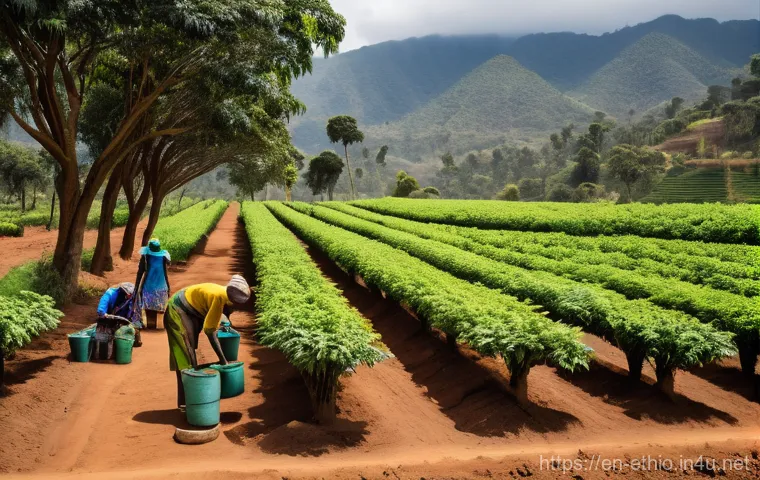
When we talk about Ethiopian coffee, sustainability isn’t just a buzzword; it’s absolutely essential for its long-term survival and prosperity. I truly believe that empowering the farmers, especially the smallholders who produce the vast majority of the coffee, is the cornerstone of this effort.
Projects like the one led by Farm Africa in the Ilu Ababor Zone are fantastic examples. They’ve combined environmental conservation with economic growth, benefiting thousands of people by integrating sustainable practices.
We’re talking about restoring degraded coffee forests with tree seedlings, which has led to a remarkable 43% reduction in deforestation and a 45% increase in forest coffee income in those areas.
Farmers are learning innovative techniques, from cultivating fast-growing trees for firewood to using bamboo for drying beans, which protects native forests and boosts their income.
It’s about more than just coffee; it’s about holistic community development and ensuring that the people who nurture these incredible beans can thrive.
Traceability and Ethical Sourcing
In today’s global market, consumers want to know the journey of their coffee from farm to cup, and traceability is becoming non-negotiable, especially with new regulations like the EU Deforestation Regulation (EUDR).
This is a big one for Ethiopia, as the EU is a major market. While implementing these systems for millions of smallholder farmers is a huge undertaking, efforts are definitely underway.
The Ethiopian Coffee and Tea Authority (ECTA) is working with partners to develop sustainability plans, capacity building, and digital traceability systems.
I’ve seen how direct trade relationships between roasters and Ethiopian cooperatives are growing, which not only ensures quality control but also fairer pricing for farmers.
This focus on ethical sourcing means that the premiums paid for specialty coffee are more likely to flow back to the producers. It’s a complex puzzle, but the commitment to ensuring that every bean can be traced back to a responsibly managed farm is a powerful step towards a truly sustainable and trustworthy coffee industry.
Unseen Hurdles: More Than Just Weather Woes
Infrastructure and Market Access Gaps
While climate change often grabs the headlines, Ethiopia’s coffee sector grapples with other significant, though less visible, challenges, especially around infrastructure and market access.
I’ve heard directly from folks on the ground about the struggles caused by poor road conditions in many rural, coffee-producing areas. It dramatically increases logistics costs, sometimes by as much as 20-30%, making it harder and more expensive to get those precious beans to market.
And once harvested, inadequate storage facilities can lead to significant post-harvest losses and quality degradation, which is heartbreaking after all that effort.
Outdated processing equipment in some areas also reduces efficiency and bean quality, hindering their ability to compete for top prices. The fragmented nature of the market, with millions of smallholder farmers, also makes it tough to implement consistent quality assurance and transparent pricing across the board.
These aren’t quick fixes; they require substantial investment in roads, storage, and processing technology to truly unlock the full potential of Ethiopian coffee.
Socio-Economic Challenges and the Road Ahead
Beyond the physical infrastructure, there are crucial socio-economic factors that pose hurdles for the Ethiopian coffee industry. Issues like fluctuating global coffee prices create immense uncertainty for farmers, making it incredibly difficult for them to plan, invest in their farms, or even predict their income.
When prices drop, it can barely cover production costs, leading to real financial hardship for smallholder families. There’s also the challenge of labor shortages, as many young people migrate to urban areas seeking better opportunities, leaving an aging farming population.
This trend can threaten the long-term sustainability of coffee farming if not addressed. Furthermore, concerns around human rights abuses and even the spread of invasive eucalyptus trees, which can compete with coffee plants, have been identified as threats to production.
Tackling these multifaceted issues requires a holistic approach, advocating for peace and human rights reforms, alongside continued support for sustainable agricultural practices and diversified income sources for farmers.
Brewing the Future: Predictions and Potential
Innovation and Value Addition
Looking ahead, I’m genuinely excited about the future of Ethiopian coffee, particularly in the realm of innovation and value addition. There’s a clear strategic shift happening, moving beyond just exporting raw beans to focusing on roasted and specialty offerings.
This is where the real value is added, capturing higher margins and bringing more benefits back to the country. I’ve seen how investments in new roasting plants and quality control systems are gearing Ethiopia up to increase its roasted coffee exports significantly.
There’s also a growing embrace of technology, with research institutions exploring new processing methods while still respecting Ethiopia’s unique coffee heritage.
Imagine the possibilities: innovative new brewing techniques, unique blends, and even coffee tourism experiences that celebrate the rich culture. These developments are positioning Ethiopian coffee not just as a source of raw material, but as a premium, value-added product that tells a powerful story from farm to cup.
Long-Term Vision for Global Leadership
Ethiopia’s long-term vision for its coffee industry is nothing short of inspiring. They’re not just aiming to maintain their position; they’re striving for global leadership, with targets like becoming the world’s second-largest coffee exporter by 2033 and significantly boosting export volumes and farmer incomes.
This ambition is backed by continued government support, including financial aid and policy initiatives that nurture growth. The expanding global demand for coffee, coupled with the increasing preference for specialty varieties, presents a massive opportunity for Ethiopia to leverage its unique offerings.
I believe that by focusing on sustainable farming, enhancing infrastructure, and embracing technological advancements, Ethiopia can solidify its place as not just the birthplace, but also a future powerhouse of exceptional coffee.
It’s a journey that will require dedication and collaboration, but given the passion and heritage behind every bean, I’m genuinely optimistic about what’s on the horizon for this incredible industry.
| Metric | 2023/2024 Fiscal Year (Estimated/Actual) | 2024/2025 Fiscal Year (Projected/Actual) | Notes |
|---|---|---|---|
| Export Volume | 5.63 million bags (approx. 337,800 tonnes) | 468,967 tonnes (or 7.8 million bags projected for 2025/26) | Significant increase in volume year-over-year. |
| Export Revenue | $1.7 billion (or $1.4 billion) | $2.65 billion | Record-breaking earnings, highlighting growth in value. |
| Top Export Markets (by volume/value) | Germany, Saudi Arabia, Belgium, United States, South Korea, Japan | Germany, Saudi Arabia, Belgium, China, United States, South Korea, UAE, Japan, Italy, Jordan | New Asian markets like China, Jordan, and UAE are emerging. |
| Production Forecast (2025/26) | Not specified (2024/25: 10.6 million bags) | 11.6 million 60-kg bags | Driven by favorable weather, tree rejuvenation, and improved seedlings. |
| Domestic Consumption Forecast (2025/26) | Not specified (2024/25: 3.5 million bags) | 3.7 million bags | Robust growth driven by urban demand and deep coffee culture. |
| Target Export Revenue by 2033 | N/A | $3.6 billion – $4.6 billion | Part of Ethiopia’s long-term development strategy. |
Wrapping Things Up
Well, fellow coffee lovers, what a journey we’ve been on, delving deep into the vibrant and ever-evolving world of Ethiopian coffee! It’s truly inspiring to see how this incredible industry, rooted in centuries of tradition, is not only breaking records but also strategically adapting to global demands and environmental shifts. From those stunning export figures to the ambitious long-term visions, it’s clear that Ethiopian coffee isn’t just a beverage; it’s a powerful force for economic growth, a custodian of unique flavors, and a testament to the resilience of its people. I’m genuinely thrilled about the future as Ethiopia continues to enchant palates worldwide, cementing its legacy as the undisputed birthplace of Arabica and a true leader in the specialty coffee market. It’s an exciting time to be a coffee enthusiast, and I personally can’t wait to see what amazing innovations and delightful cups Ethiopia brews up next!
Useful Info You Should Know
1. When you’re looking for Ethiopian coffee, keep an eye out for regional names like Yirgacheffe, Sidamo, and Harrar. Each region offers a distinct flavor profile, from bright and floral to fruity and wine-like, giving you a chance to explore a wide spectrum of tastes. Don’t be afraid to try different origins to find your personal favorite!
2. Ethiopian coffee is often processed in two main ways: “washed” (which tends to produce cleaner, brighter, and more floral notes) and “natural” or “dry-processed” (resulting in more intense, fruit-forward flavors). Understanding this distinction can help you choose a coffee that perfectly matches your brewing preferences.
3. If you’re buying specialty Ethiopian coffee, especially from a direct trade source, you’re often supporting smallholder farmers directly. These relationships ensure fairer prices and better quality, making your morning cup taste even better knowing the positive impact it has.
4. Many Ethiopian coffees thrive with lighter roasts, which allow their delicate and complex aromatics to shine through. If you’re brewing at home, consider methods like pour-over or AeroPress to highlight these nuanced flavors, rather than overpowering them with dark roasts or overly complex brewing apparatus.
5. Ethiopia’s coffee ceremony, “Buna,” is a profound cultural experience that involves roasting, grinding, and brewing coffee, often lasting for hours. If you ever have the chance to participate or witness one, embrace it! It’s an incredible way to appreciate the deep-rooted significance of coffee in Ethiopian society beyond just the daily caffeine fix.
Key Takeaways
Ethiopia’s coffee sector is currently experiencing a remarkable boom, fueled by record-breaking export revenues and volumes, solidifying its position as a global leader in specialty coffee. This growth is largely driven by strategic government initiatives, policy reforms that empower farmers, and an insatiable global demand for unique, high-quality Arabica varieties. While the industry faces significant challenges from climate change, including rising temperatures and erratic rainfall, Ethiopian farmers are bravely adapting through sustainable practices like agroforestry and developing climate-resilient varieties. The long-term vision emphasizes innovation, value addition through roasted exports, and a continued push for ethical sourcing and traceability, aiming to secure Ethiopia’s legacy as both the origin and a future powerhouse of exceptional coffee.
Frequently Asked Questions (FAQ) 📖
Q: What’s really fueling Ethiopia’s current coffee export boom, and why are we hearing so much about specialty coffee from there these days?
A: Oh, this is such a great question, and one I get asked a lot! From what I’ve been observing and digging into, Ethiopia’s coffee export boom isn’t just a lucky streak; it’s a really exciting combination of factors.
First off, there’s been a noticeable increase in overall production, partly thanks to favorable weather (though that’s always a bit of a dance, isn’t it?).
We’re also seeing some fantastic government initiatives that are truly making a difference, like programs that help rejuvenate older coffee trees and introduce higher-yielding, improved seedlings.
I mean, think about it – they’re planting vast areas with these new varieties, and farmers are adopting smart pruning methods called “stumping” to bring old trees back to life.
These efforts are really boosting both the quantity and quality of the beans, which is just incredible. Now, about specialty coffee, that’s where the magic really happens for Ethiopia.
The global demand for unique, high-quality, and ethically sourced beans has absolutely exploded, and Ethiopia, as the birthplace of Arabica, is perfectly positioned to capitalize on this.
I’ve seen reports that specialty coffee exports are steadily climbing, with average cupping scores often exceeding 85 points. This isn’t just about good beans; it’s about meticulous harvesting, advanced processing, and stringent quality control.
The extra income from these premium beans then trickles down the supply chain, directly benefiting the smallholder farmers, which is something I personally love to see.
Plus, economic reforms like adopting a market-based exchange rate are making Ethiopian coffee more competitive internationally, and policy changes are even allowing more producers to export directly, giving them better access to global markets and fairer prices.
It’s a truly dynamic time!
Q: We hear a lot about climate change globally, but how is it specifically impacting Ethiopian coffee farmers, and what innovative solutions are they implementing?
A: You know, it’s heartbreaking to see how climate change is affecting so many agricultural communities, and Ethiopia’s coffee farmers are definitely on the front lines.
I’ve personally spoken with folks who’ve shared stories of rising temperatures, which, over the past few decades, have increased by 0.3-0.5°C per decade in coffee-growing regions.
This forces farmers to move their coffee cultivation to higher altitudes, which isn’t always easy because suitable land becomes more limited. Then there’s the rainfall—it’s become so unpredictable!
We’re talking about intense floods one moment, then prolonged droughts the next, which totally messes with the coffee plants’ growth and yield. And as if that weren’t enough, these warmer, wetter conditions are also leading to outbreaks of nasty pests and diseases like coffee berry disease and coffee leaf rust.
It truly threatens not just the coffee supply, but the very livelihoods of millions who depend on it. But here’s the thing that always inspires me: Ethiopian farmers are incredibly resilient and innovative.
They’re not just throwing their hands up; they’re actively adapting! One of the coolest strategies I’ve seen is agroforestry. Instead of just coffee plants, they’re growing coffee alongside other trees and crops.
This creates a natural shade canopy that helps moderate temperatures, conserve soil moisture, and even boosts biodiversity. There are also efforts to develop climate-smart coffee varieties that are naturally more resilient to these changing conditions.
Water management is becoming a huge priority, with farmers implementing better conservation techniques to cope with inconsistent rainfall. Community-based climate action and even technological innovations like solar-powered drying units are playing a role.
It’s not an easy road, but their determination to protect their crops and heritage is truly something to admire. There are also projects working on increasing farmers’ income and capacity building around sustainable agro-forestry principles.
Q: Looking ahead, what’s the future outlook for the Ethiopian coffee market, especially with its strong push into specialty markets and sustainability?
A: Oh, the future of Ethiopian coffee is something I constantly think about! From what I can gather, and honestly, from the buzz I feel in the industry, the outlook is overwhelmingly positive, yet it comes with its own set of exciting challenges.
We’re seeing projections for continued robust growth, with some estimates putting the market’s compound annual growth rate at around 5.67% through 2033.
Ethiopia’s coffee production is even forecast to reach a record 11.6 million 60-kilogram bags in the 2025/26 season, which is just mind-blowing! The big game-changer, in my opinion, is the sustained and growing global demand for specialty and ethically sourced coffee.
Ethiopia, with its incredible diversity of Arabica varieties and its commitment to quality, is perfectly positioned for this. I expect to see even more emphasis on direct trade relationships and certifications that highlight sustainability and traceability, which resonates so well with today’s conscious consumers.
This not only secures premium prices but also strengthens the entire value chain, from bean to cup. We’re already seeing the government push to make Ethiopia the world’s second-largest coffee exporter by 2033, backed by ambitious development strategies and policy reforms that encourage direct market access.
Of course, infrastructure improvements and continued investment in climate-smart agricultural practices will be absolutely crucial to maintain this momentum.
But honestly, with the passion, the unique heritage, and the innovative spirit of its farmers, I feel genuinely optimistic about Ethiopia’s prominent place in our global coffee cups for years to come.