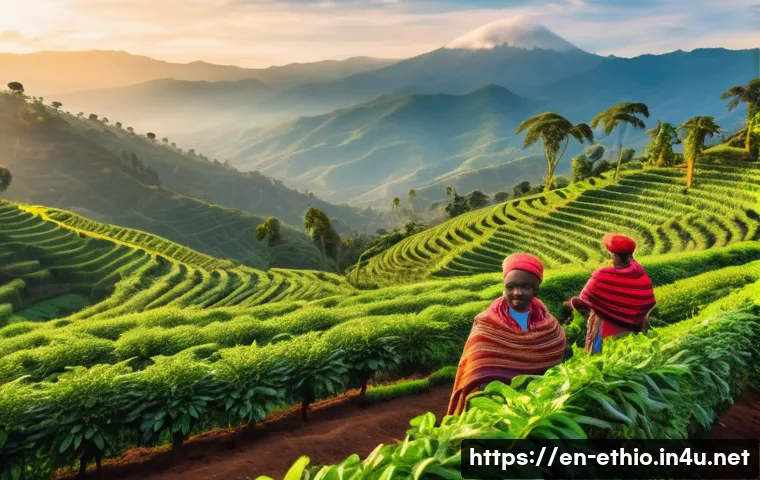
Hey there, fellow adventurers! You know, when most people think of Ethiopia, images of ancient churches and the iconic rock-hewn wonders of Lalibela often spring to mind, and don’t get me wrong, they’re absolutely breathtaking.
But after spending some incredible time exploring this vibrant country myself, I quickly realized there’s so much more to uncover beyond the well-trodden path.
Trust me, I’ve stumbled upon some truly magical spots that many travelers completely miss, and honestly, they’ve been some of the most memorable parts of my journey.
Ready to discover Ethiopia’s best-kept secrets that will truly enrich your travel experience? Let’s dive in and uncover these hidden gems together!
Alright, buckle up because we’re about to go way beyond those postcards!
Embracing the Untamed Beauty of the Simien Mountains
Forget gentle rolling hills; the Simien Mountains are like nature’s own dramatic masterpiece! I’m talking jagged peaks, sheer cliffs, and gorges that plunge into dizzying depths.
It’s a trekker’s paradise, and even if you’re not a hardcore hiker, the views alone are worth the journey.
Spotting the Endemic Wildlife
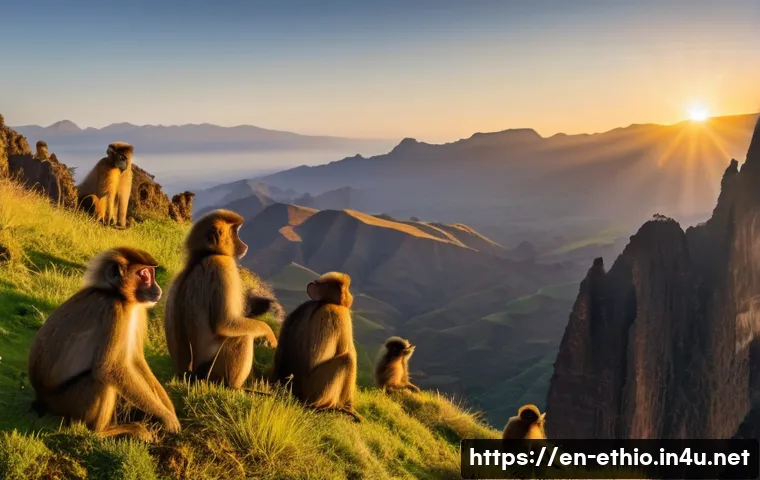
The Simiens are home to some seriously cool creatures you won’t find anywhere else. Keep your eyes peeled for the Gelada monkeys, with their distinctive red chests, and the Walia ibex, gracefully navigating those rocky slopes.
I remember one time, sitting on a cliff edge, surrounded by a troop of Geladas just going about their day – truly unforgettable!
Choosing the Right Trek
There are a ton of trekking options, from day hikes to multi-day expeditions. Chat with local guides to find one that fits your fitness level and interests.
And trust me, a good guide is worth their weight in gold – they know the best viewpoints, can spot wildlife from a mile away, and share incredible stories about the region.
Being Prepared for the Altitude
The Simiens are high, like, *really* high. Altitude sickness is no joke, so acclimatize properly before you start your trek. Drink plenty of water, avoid alcohol, and listen to your body.
If you start feeling unwell, descend to a lower altitude.
Discovering the Spiritual Tranquility of Lake Tana’s Monasteries
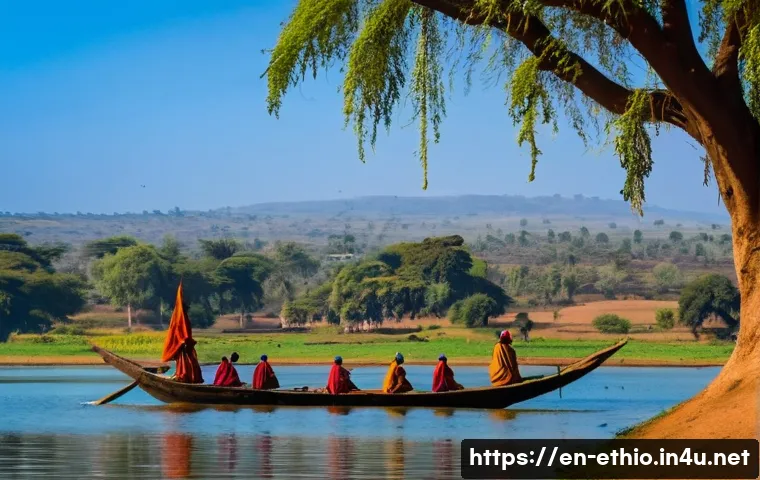
Okay, picture this: serene waters, ancient monasteries perched on secluded peninsulas, and the gentle lapping of waves against the shore. Lake Tana is like stepping back in time, a place where spirituality and natural beauty intertwine.
Taking a Boat Trip to the Ura Kidane Mihret Monastery
This is one of the most famous monasteries on Lake Tana, and for good reason. The walls are covered in vibrant murals depicting biblical scenes and Ethiopian saints.
It’s an incredible glimpse into the country’s rich religious history. When I first stepped inside, I was immediately struck by the artistry and the sense of reverence that permeated the air.
Exploring the Zege Peninsula
The Zege Peninsula is home to several monasteries, each with its own unique charm. It’s a great place to wander around, soak up the atmosphere, and chat with the friendly monks.
Plus, the peninsula is covered in lush vegetation and offers stunning views of the lake.
Appreciating the Local Coffee Ceremony
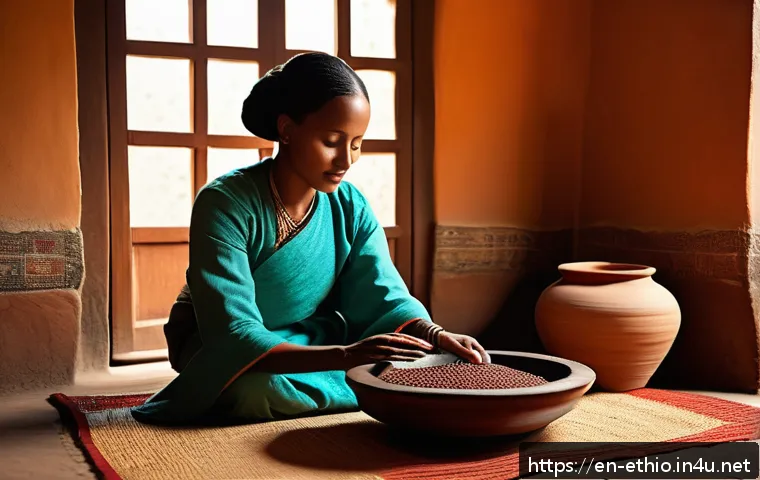
No trip to Lake Tana is complete without experiencing a traditional Ethiopian coffee ceremony. It’s a social ritual, a time to relax, connect with others, and savor the rich, aromatic coffee.
I was lucky enough to be invited to a ceremony by a local family, and it was such a warm and welcoming experience.
Unearthing the Ancient City of Axum
Axum was once the capital of a powerful kingdom that ruled over much of the region. Today, it’s a UNESCO World Heritage site, home to towering obelisks, ancient ruins, and a fascinating glimpse into Ethiopia’s pre-Christian past.
Marveling at the Obelisks
These giant stone structures are the most iconic symbols of Axum. They were erected thousands of years ago, and their purpose remains a mystery. Standing in their shadow, you can’t help but feel a sense of awe and wonder.
Visiting the Church of Saint Mary of Zion
This church is said to house the Ark of the Covenant, one of the most sacred relics in the Judeo-Christian tradition. Only a select few are allowed to enter the chapel where the Ark is supposedly kept, but the church itself is a beautiful and historic site.
Exploring the Tombs of Kings Kaleb and Gebre Meskel
These ancient tombs offer a glimpse into the lives of Axum’s rulers. The tombs are filled with artifacts and inscriptions that shed light on the kingdom’s history and culture.
Journeying to the Danakil Depression: A Surreal Landscape
Prepare to have your mind blown! The Danakil Depression is one of the hottest and most inhospitable places on Earth, but it’s also one of the most visually stunning.
Think vibrant sulfur springs, bubbling lava lakes, and vast salt flats stretching as far as the eye can see.
Witnessing the Colorful Dallol Volcano
Dallol is a hydrothermal area that looks like something from another planet. The landscape is a riot of colors, with yellows, greens, and oranges created by the sulfur, iron oxide, and other minerals.
It’s a photographer’s dream!
Visiting Lake Assale
This salt lake is a major source of salt for the region. You can watch the Afar people harvesting salt by hand, a tradition that has been passed down for generations.
Embracing the Heat
The Danakil is hot, like, *really* hot. Temperatures can soar above 120 degrees Fahrenheit (50 degrees Celsius). Be prepared to drink plenty of water, wear light clothing, and protect yourself from the sun.
It is essential to go with a reputable tour operator as the region can be politically unstable.
Discovering the Harar Jugol: A City of Walls and Hyenas
Harar is a walled city in eastern Ethiopia with a rich history and a unique culture. It’s a UNESCO World Heritage site, known for its colorful buildings, bustling markets, and the tradition of feeding hyenas.
Wandering Through the Old City Walls
The walls of Harar were built in the 16th century to protect the city from invaders. Today, they’re a major tourist attraction, offering stunning views of the city and the surrounding countryside.
Experiencing the Hyena Feeding Ceremony
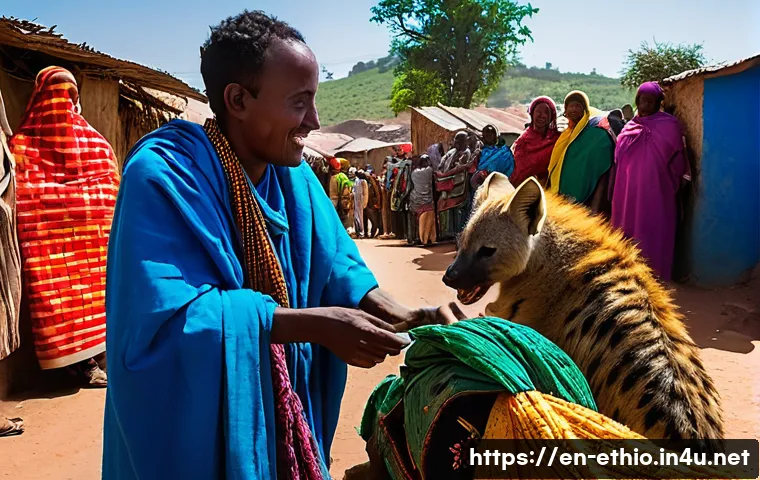
This is one of the most unique and fascinating experiences in Ethiopia. Every night, a “hyena man” feeds wild hyenas with scraps of meat. It’s a tradition that has been going on for centuries, and it’s believed to bring good luck to the city.
I have to admit, it was a little nerve-wracking at first, but it was also incredibly thrilling.
Getting Lost in the Markets
Harar’s markets are a sensory overload, filled with the sights, sounds, and smells of Ethiopia. You can find everything from spices and textiles to handicrafts and jewelry.
Be prepared to haggle!
Exploring the Untouched Omo Valley Tribes
The Omo Valley is home to a number of different tribes, each with its own unique culture and traditions. It’s a place where time seems to stand still, and where you can experience a way of life that has remained unchanged for centuries.
Visiting the Mursi Tribe
The Mursi are known for their lip plates, which are worn by women as a sign of beauty and status. They are one of the most well-known tribes in the Omo Valley, and interactions can be a powerful, though sometimes controversial, experience.
It’s important to be respectful of their customs and traditions.
Meeting the Hamer Tribe
The Hamer are known for their bull-jumping ceremony, a rite of passage for young men. It’s a spectacular event, and a great opportunity to witness the Hamer culture firsthand.
Understanding Responsible Tourism
Tourism in the Omo Valley can have both positive and negative impacts on the local communities. It’s important to be a responsible traveler, supporting local businesses, respecting the local culture, and avoiding activities that could harm the environment.
Savoring Ethiopian Cuisine: A Culinary Adventure
Ethiopian food is unlike anything you’ve ever tasted. It’s a blend of spices, flavors, and textures that will tantalize your taste buds. Get ready to ditch the utensils and embrace the communal dining experience!
Indulging in Injera and Stews
Injera is a spongy flatbread made from teff flour, a grain that’s native to Ethiopia. It’s the base of most Ethiopian meals, and it’s used to scoop up a variety of flavorful stews, known as wats.
Trying Different Types of Wat
There are countless variations of wat, from mild lentil stews to spicy meat dishes. Some of my favorites include doro wat (chicken stew), misir wat (red lentil stew), and siga wat (beef stew).
Embracing the Coffee Culture
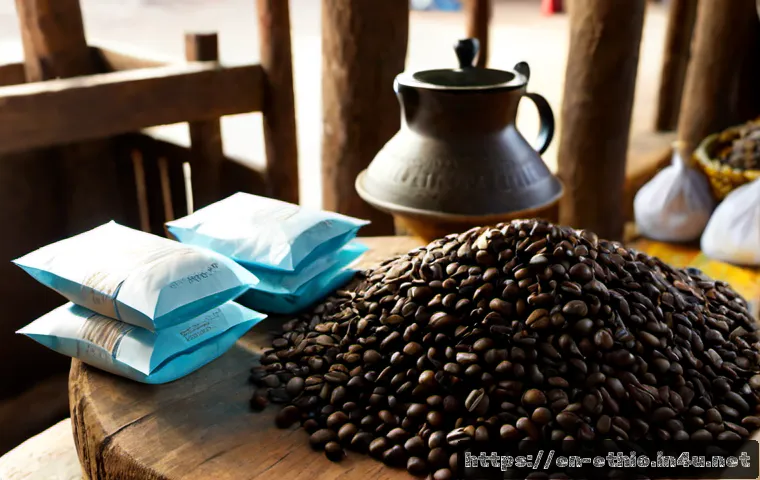
Ethiopia is the birthplace of coffee, and the country takes its coffee very seriously. Be sure to try a traditional Ethiopian coffee ceremony, and savor the rich, aromatic flavor of the coffee.
| Hidden Gem | What Makes it Special | Why You Should Visit |
| ——————— | ————————————————————————————————————————————————————————————— | —————————————————————————————————————————————- |
| Simien Mountains | Dramatic landscapes, endemic wildlife (Gelada monkeys, Walia ibex), trekking opportunities.
| To experience breathtaking natural beauty and spot unique wildlife. |
| Lake Tana Monasteries | Ancient monasteries on secluded peninsulas, vibrant murals, serene atmosphere.
| To immerse yourself in Ethiopian religious history and enjoy the tranquility of the lake. |
| Axum | Towering obelisks, ancient ruins, historical significance as the capital of a powerful kingdom.
| To explore Ethiopia’s pre-Christian past and marvel at the impressive obelisks. |
| Danakil Depression | Surreal landscapes, colorful Dallol volcano, salt lakes, extreme heat.
| To witness otherworldly scenery and experience one of the most unique environments on Earth. |
| Harar Jugol | Walled city, colorful buildings, bustling markets, hyena feeding ceremony.
| To explore a historic city with a unique culture and witness the fascinating tradition of feeding hyenas. |
| Omo Valley Tribes | Diverse tribes with unique cultures and traditions, including the Mursi and Hamer.
| To experience a way of life that has remained unchanged for centuries and learn about different tribal customs. |
| Ethiopian Cuisine | Injera flatbread, flavorful stews (wats), rich coffee culture.
| To savor a unique culinary experience and immerse yourself in the country’s vibrant food culture. |So there you have it – my guide to some of Ethiopia’s best-kept secrets.
I hope this inspires you to venture beyond the well-trodden path and discover the magic of this incredible country for yourself! Safe travels, and happy exploring!
Ethiopia is truly a land of wonders! From the dramatic peaks of the Simien Mountains to the ancient monasteries of Lake Tana, from the bustling markets of Harar to the untouched tribes of the Omo Valley, every corner of this country holds a unique and unforgettable experience.
My own journey through Ethiopia has been nothing short of life-changing, and I hope this guide inspires you to embark on your own adventure and discover the magic of this incredible destination.
Parting Thoughts
My Ethiopian escapade was nothing short of transformative. The landscapes are breathtaking, the people are incredibly welcoming, and the culture is rich and diverse.
I learned so much about myself and the world around me during my travels. Whether you’re seeking adventure, cultural immersion, or simply a change of scenery, Ethiopia has something to offer everyone.
So pack your bags, embrace the unknown, and get ready for an unforgettable journey!
Good to Know Information
* Visa Requirements: Make sure to check the visa requirements for your country of origin before you travel. Many nationalities can obtain a visa on arrival at Addis Ababa Bole International Airport.
* Currency: The Ethiopian currency is the Birr (ETB). It’s a good idea to have some cash on hand, especially when visiting rural areas. Credit cards are accepted in some hotels and restaurants in major cities, but not everywhere.
* Health Precautions: Consult your doctor about necessary vaccinations and malaria prophylaxis before your trip. It’s also important to drink bottled water and be mindful of food hygiene.
* Language: The official language of Ethiopia is Amharic, but English is widely spoken, especially in tourist areas. Learning a few basic Amharic phrases can go a long way in making connections with locals.
* Best Time to Visit: The best time to visit Ethiopia is during the dry season, which runs from October to May. The weather is generally sunny and pleasant during this time, making it ideal for trekking and sightseeing.
Key Takeaways
* Embrace the Unexpected: Ethiopia is a country full of surprises, so be open to new experiences and embrace the unexpected. * Respect the Culture: Ethiopia has a rich and diverse culture, so be respectful of local customs and traditions.
* Support Local Communities: Support local businesses and initiatives to help boost the economy of the country. * Be Prepared for Adventure: Ethiopia can be a challenging destination, so be prepared for adventure and be ready to step outside your comfort zone.
* Connect with the People: The Ethiopian people are warm, friendly, and incredibly welcoming. Take the time to connect with them and learn about their lives and culture.
Frequently Asked Questions (FAQ) 📖
Q: You mentioned “magical spots” beyond the usual tourist circuit. Can you give us a sneak peek into some of your absolute favorite hidden gems in Ethiopia that most travelers completely miss?
A: Oh, absolutely! This is where the real adventure begins. While Lalibela is iconic, I absolutely adore the Gheralta Mountains in Tigray for their incredible cliff-face churches.
They are so much more rugged and adventurous to reach than Lalibela, requiring a bit of a hike and even some scrambling, but the views and the ancient frescoes inside are utterly spectacular.
The communities living around these churches are so welcoming too; it feels like stepping back in time. Another place that truly stole my heart is the Konso Cultural Landscape in the South Omo Valley.
It’s a UNESCO World Heritage site, yes, but still largely overlooked compared to other attractions. Their unique terraced landscapes, fortified villages, and the intricate ‘waga’ totems they carve are a living testament to an ancient, sustainable culture.
Every time I’ve been, it’s felt like a deeper dive into traditions that have stood the test of time, far from the typical tourist crowds. It’s truly a photographer’s dream and a soul-enriching experience.
Q: Finding these off-the-beaten-path places sounds amazing, but also a bit daunting! How do you even go about discovering these hidden gems, and what’s the best way to navigate when you’re venturing far from the main roads?
A: You’re right, it can feel a bit overwhelming at first, but that’s part of the thrill, isn’t it? Finding these spots isn’t always easy, let me tell you!
It often means a bit more planning and a willingness to step out of your comfort zone. My best advice? Connect with local tour operators and guides who truly know the region.
They are absolutely invaluable. I remember once trying to navigate to a remote village by myself, armed only with a vague map, and it was quite an adventure of wrong turns and enthusiastic but not always accurate directions from passersby!
But when I eventually teamed up with a local guide, not only did we get there smoothly, but I learned so much more about the culture and the landscape than I ever could have from a guidebook or even a well-researched blog.
As for getting around, expect rugged terrain. Four-wheel drives are often a must, especially in the rainy season when roads can become challenging. Don’t be afraid of domestic flights for covering longer distances – they save a tremendous amount of time and can open up access to more remote regions.
For shorter hops between towns, local minibuses or shared taxis are an experience in themselves; they can be chaotic but are truly authentic and a great way to interact with locals.
Just be prepared for less legroom and a more “cozy” journey!
Q: When you’re heading into these less-explored parts of Ethiopia, what are some important things travelers should consider or prepare for, especially regarding culture, safety, or practical needs?
A: When you’re heading off the beaten path in Ethiopia, preparation is absolutely key, my friend, to ensure you have a smooth and respectful journey. First off, be ready for varying levels of infrastructure; sometimes electricity and running water can be scarce, especially in smaller villages, so pack a good power bank for your electronics and maybe some wet wipes!
Always, always carry enough cash in Ethiopian Birr, especially smaller denominations. Card machines are practically non-existent once you leave the major towns, and you’ll need cash for local purchases, guides, and even small entrance fees.
Culturally, always ask permission before taking photos, especially of people, and dress modestly, particularly when visiting religious sites or rural communities.
It shows immense respect and often opens doors to wonderful interactions. I’ve found that learning just a few Amharic phrases, like ‘Ameseginalehu’ (thank you) or ‘Selam’ (hello), goes a long, long way in connecting with locals and showing your appreciation.
And seriously, don’t skimp on comprehensive travel insurance and make sure you have all your necessary vaccinations well in advance – consult your doctor!
A proper first-aid kit is also a must-have. You never know when you might stumble upon a thorny bush, like I once did, or need a bandage for a small cut.
Being prepared allows you to truly relax and soak in the incredible experiences these hidden gems offer.