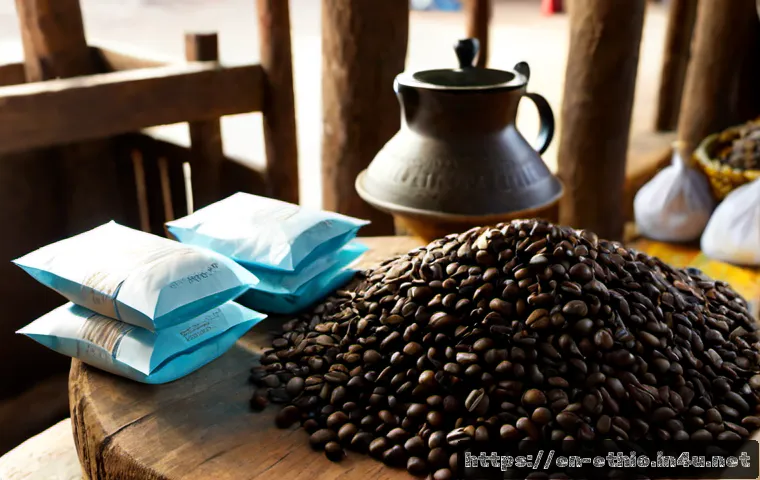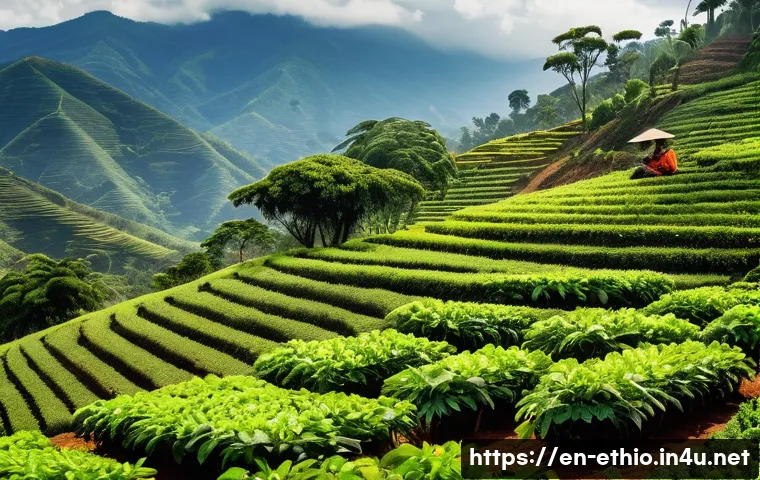
Ethiopian coffee is renowned worldwide for its vibrant flavors and unique profiles, which vary significantly depending on the region where the beans are grown.
From the fruity and floral notes of Yirgacheffe to the bold and wine-like characteristics of Harrar, each coffee-producing area offers a distinct experience that reflects its climate, altitude, and traditional processing methods.
Exploring these regional differences not only deepens appreciation for Ethiopian coffee but also highlights the rich cultural heritage behind every cup.
Whether you’re a seasoned coffee lover or just beginning to explore specialty brews, understanding these nuances can elevate your tasting journey. Let’s dive in and uncover the fascinating distinctions between Ethiopia’s coffee origins!
Exploring the Flavor Spectrum of Ethiopian Coffee
How Altitude Shapes Coffee Profiles
Ethiopia’s diverse topography plays a huge role in the flavor development of its coffee. Higher altitudes, often above 1,800 meters, create cooler temperatures and slower bean maturation, which in turn allows for more complex sugars and acids to develop inside the coffee cherry.
This slow ripening process is why coffees from places like Sidamo and Yirgacheffe tend to have bright, vibrant acidity and intricate fruity notes. On the other hand, lower altitude regions produce beans with a heavier body and earthier flavors, as the cherries mature faster and accumulate different chemical compounds.
When I first tried high-altitude Ethiopian coffee, the brightness and floral aroma instantly caught my attention, making me appreciate how geography directly influences taste.
Microclimates and Their Impact on Bean Characteristics
Within Ethiopia’s coffee-growing regions, microclimates create subtle yet significant variations in the beans. Factors such as rainfall patterns, soil types, and sun exposure vary even within short distances, leading to unique profiles that can differ from one farm to another.
For example, beans harvested from the drier, sunnier slopes of Harrar develop a wild, wine-like quality with deep berry flavors, while nearby areas with more consistent moisture yield smoother, balanced cups.
These microclimate nuances add layers of complexity and make each harvest a fresh experience. From my visits to Ethiopian coffee farms, I saw how farmers adapt their cultivation techniques to their specific microclimate, enhancing the natural characteristics of their beans.
Traditional Processing Methods: Washed, Natural, and Honey
One of the most fascinating aspects of Ethiopian coffee is the variety of processing methods used, each imparting a distinct taste to the final cup. The washed (wet) process involves removing the fruit from the bean before drying, resulting in a cleaner, brighter flavor profile often associated with floral and citrus notes.
In contrast, the natural (dry) process dries the coffee cherries whole, which enhances fruity, wine-like qualities and adds body. Honey processing, where some mucilage is left on the beans during drying, strikes a balance, offering sweetness and complexity.
Personally, I find that natural processed Ethiopian coffees have an intense fruitiness that’s hard to forget, but the washed ones highlight delicate floral nuances that are equally enchanting.
The Role of Regional Traditions in Coffee Production
Community-Driven Coffee Cultivation
In Ethiopia, coffee farming is deeply embedded in local communities, with generations passing down cultivation and processing knowledge. This communal approach ensures that traditional methods are preserved, contributing to the unique identities of each region’s coffee.
Farmers often work together during harvest and processing seasons, sharing resources and expertise. This collaboration fosters a strong sense of pride and ownership over the coffee produced.
During my time in Ethiopia, I witnessed how this community spirit translates into meticulous care for the coffee cherries, resulting in consistently high-quality beans that reflect the heritage of their growers.
Handpicking and Sorting Practices
Selective handpicking is a hallmark of Ethiopian coffee production, especially in specialty regions. Farmers carefully pick only ripe cherries, sometimes going over the same tree multiple times during harvest to ensure optimal ripeness.
This labor-intensive practice significantly improves the quality and flavor clarity of the coffee. Moreover, sorting beans by size and removing defective ones before processing further enhances the final cup.
I recall a coffee tour where the guide emphasized how such detailed sorting prevents unwanted flavors and ensures that the coffee’s delicate notes shine through.
This hands-on approach is a testament to the dedication of Ethiopian coffee farmers.
Cultural Significance of Coffee Ceremonies
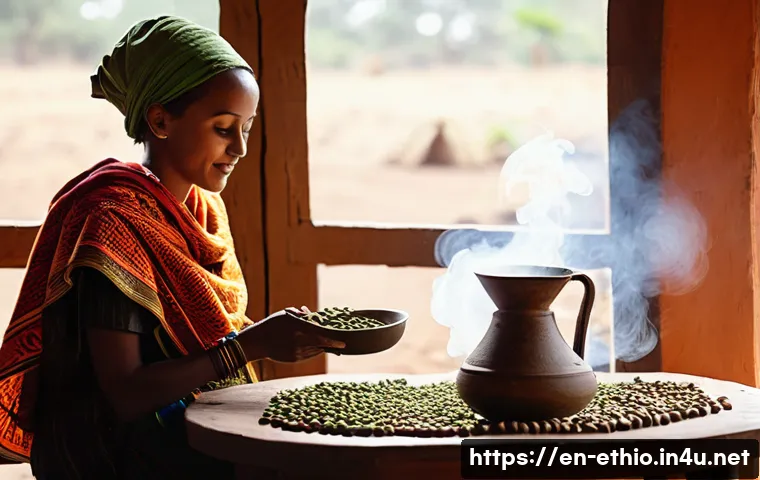
Coffee in Ethiopia is much more than a beverage; it’s a cultural ritual that brings people together. The traditional Ethiopian coffee ceremony involves roasting green beans over an open flame, grinding them by hand, and brewing the coffee in a clay pot called a jebena.
This process, often lasting an hour or more, is a moment of social bonding and respect. The ceremony highlights the value placed on coffee and the pride in its origin.
From my experience attending one of these ceremonies, the rich aroma and shared anticipation enhanced my appreciation for the coffee, making the tasting experience deeply memorable.
Understanding the Sensory Profiles of Major Ethiopian Coffee Regions
Yirgacheffe: Floral and Citrus Elegance
Yirgacheffe coffee is famous for its bright acidity and floral aromas, often described as jasmine or bergamot. Grown at high altitudes with washed processing, these beans produce a clean cup with a light to medium body.
The citrus notes, reminiscent of lemon or lime, make it a favorite among those who appreciate a lively and refreshing coffee. I’ve found Yirgacheffe to be perfect for morning brewing, as its crispness wakes up the palate without overwhelming it.
Sidamo: Balanced and Fruity
Sidamo coffees offer a harmonious balance between fruity sweetness and mild acidity. They often present berry, peach, and even wine-like undertones, paired with a smooth mouthfeel.
Sidamo’s diverse microclimates and processing methods contribute to a wide range of expressions, but the overall profile tends to be approachable and versatile.
When I brewed Sidamo beans at home, I noticed how they worked well in various brewing methods, from pour-over to espresso, making them a reliable choice for everyday enjoyment.
Harrar: Bold and Wild
Harrar beans, typically dry processed at lower altitudes, are known for their bold, heavy body and complex flavor profile featuring dark berries, chocolate, and sometimes a hint of spice.
The natural drying method gives Harrar coffees a wild, winey characteristic that is unmistakable. This coffee is for those who like their cup intense and full-bodied.
I’ve often recommended Harrar to friends who enjoy robust coffee with a little edge, as it stands out dramatically compared to more delicate varieties.
How Processing Techniques Influence Flavor Complexity
Washed Process: Brightness and Clarity
The washed process involves removing the fruit from the coffee bean before drying, which reduces fermentation flavors and highlights the bean’s intrinsic qualities.
This technique is common in regions like Yirgacheffe and Sidamo, where the goal is to emphasize floral and citrus notes. From my brewing experiments, washed Ethiopian coffees produce a crisp, clean cup with a sparkling acidity that’s refreshing and nuanced.
This makes them ideal for those who enjoy clarity and elegance in their coffee.
Natural Process: Fruity and Full-Bodied

Natural processed coffees retain the entire cherry during drying, allowing sugars and fruity compounds to infuse into the bean. This method results in a heavier body and pronounced fruit flavors, often with wine-like or berry-like complexity.
I once tried a natural processed Ethiopian coffee that tasted like a burst of ripe blueberries with a velvety finish—an unforgettable experience. However, this method requires careful drying to avoid off-flavors, which is why quality control is crucial.
Honey Process: The Best of Both Worlds
Honey processing leaves some mucilage on the bean during drying, combining characteristics of both washed and natural methods. This results in a coffee that has sweetness and body without the full intensity of natural processing.
In my opinion, honey processed Ethiopian coffees are wonderfully balanced, offering a syrupy sweetness alongside bright acidity. They’re often a great introduction for those curious about Ethiopian coffee’s complexity but who prefer something less intense.
Comparing Ethiopian Coffee Regions at a Glance
| Region | Altitude | Processing Method | Flavor Notes | Body |
|---|---|---|---|---|
| Yirgacheffe | 1,700–2,200 m | Washed | Floral, citrus, jasmine | Light to medium |
| Sidamo | 1,600–2,200 m | Washed & Natural | Berry, peach, wine-like | Medium |
| Harrar | 1,400–2,000 m | Natural | Dark berries, chocolate, spice | Full |
| Limu | 1,100–1,700 m | Washed | Sweet, floral, fruity | Medium |
| Guji | 1,700–2,200 m | Washed & Natural | Floral, tropical fruit, honey | Medium |
Practical Tips for Brewing Ethiopian Coffee
Choosing the Right Grind and Brew Method
Ethiopian coffees, especially those from Yirgacheffe and Sidamo, shine brightest when brewed with methods that highlight their delicate flavors. Pour-over techniques like the V60 or Chemex are excellent for producing clean, bright cups that showcase floral and citrus notes.
When brewing, I usually opt for a medium-fine grind to balance extraction without overdoing acidity. For heavier-bodied beans like Harrar, an espresso or AeroPress with a finer grind extracts those rich, berry-chocolate flavors beautifully.
Experimenting with grind size and brew time can unlock surprising nuances.
Water Temperature and Coffee-to-Water Ratio
Water temperature plays a crucial role in extracting the best flavors from Ethiopian beans. Too hot, and you risk bitterness; too cool, and the coffee might taste under-extracted and sour.
I’ve found that a temperature around 92–94°C (197–201°F) works well for most Ethiopian coffees, allowing the bright acidity to come through without harshness.
As for ratio, starting with 1:16 coffee to water is a solid baseline, but adjusting slightly based on bean type and roast level can enhance balance. For fruity naturals, a bit more coffee can amplify sweetness.
Freshness and Storage Recommendations
To truly appreciate the nuanced flavors of Ethiopian coffee, freshness is key. Beans should ideally be roasted within the past two to three weeks and stored in an airtight container away from light, heat, and moisture.
When I first started paying attention to freshness, I noticed a dramatic improvement in flavor clarity and aroma. Grinding just before brewing also makes a huge difference, preserving the delicate floral and fruity notes that define Ethiopian coffee’s charm.
If you buy whole beans from specialty roasters, it’s worth investing in a quality grinder for maximum flavor.
How Ethiopian Coffee Fits into the Global Specialty Scene
Its Role in Third Wave Coffee Culture
Ethiopian coffee is often celebrated as the cornerstone of the third wave coffee movement, which emphasizes traceability, quality, and the unique story behind each bean.
Specialty roasters worldwide showcase Ethiopian coffees to highlight terroir and processing diversity. From my experience visiting cafes in specialty coffee hubs like Seattle and Melbourne, Ethiopian beans consistently earn praise for their complexity and vibrant profiles, making them a favorite among baristas and coffee enthusiasts alike.
Impact on Coffee Pricing and Market Trends
Because of its premium quality and distinctiveness, Ethiopian coffee commands higher prices in the specialty market. However, fluctuations in harvest yields, processing costs, and export logistics can affect availability and price stability.
I’ve noticed that limited-edition Ethiopian lots often sell out quickly online, reflecting strong consumer demand. For growers, this premium market offers better income opportunities, but it also requires maintaining strict quality standards and certifications to meet international expectations.
Supporting Sustainable and Ethical Practices
Many Ethiopian coffee producers participate in cooperative models and certifications that promote sustainability, fair wages, and environmental stewardship.
These initiatives not only improve farmer livelihoods but also help preserve Ethiopia’s coffee heritage for future generations. From talking with farmers and exporters, I learned how important it is for consumers to support coffees with transparent sourcing and ethical practices.
This connection between quality coffee and social responsibility adds another layer of appreciation to every cup enjoyed.
Conclusion
Exploring Ethiopian coffee reveals a fascinating interplay between geography, tradition, and processing that creates its unique flavor spectrum. Each cup tells a story of community, culture, and careful craftsmanship. Whether you prefer bright and floral or bold and fruity, Ethiopian coffee offers something truly special for every palate. Embracing its diversity can deepen your appreciation for the art of coffee. I hope this journey inspires you to savor Ethiopian coffee with greater understanding and enjoyment.
Useful Information to Remember
1. Ethiopian coffee’s high-altitude origins contribute to its vibrant acidity and complex flavors, especially in regions like Yirgacheffe and Sidamo.
2. Microclimates within coffee-growing areas cause subtle taste differences, making each farm’s beans uniquely expressive.
3. Processing methods—washed, natural, and honey—significantly impact the coffee’s body, sweetness, and flavor profile.
4. Traditional handpicking and sorting practices ensure the highest quality and clarity in the final cup.
5. Brewing techniques such as pour-over and precise water temperature control bring out the best in Ethiopian coffees.
Key Takeaways
Understanding Ethiopian coffee means appreciating how altitude, microclimates, and processing shape its distinctive flavors. The cultural heritage and community-driven farming practices play a vital role in maintaining quality and authenticity. Selecting the right brewing method and maintaining bean freshness are essential to unlock its full potential. Finally, supporting sustainable and ethical coffee production helps preserve this remarkable coffee legacy for future generations.
Frequently Asked Questions (FAQ) 📖
Q: What makes Ethiopian coffee flavors so unique compared to other coffee origins?
A: Ethiopian coffee stands out because of its diverse growing regions, each offering distinct climate and altitude conditions that shape the bean’s flavor.
Unlike many coffee-producing countries, Ethiopia’s traditional processing methods—especially natural and washed processes—bring out vibrant fruity, floral, and wine-like notes.
This complexity, combined with heirloom coffee varieties native to the region, creates a rich tapestry of flavors you won’t find anywhere else. From my experience, tasting Ethiopian coffee is like exploring a whole new world of sensory profiles that feel fresh and exciting every time.
Q: How do the different regions in Ethiopia influence the taste of the coffee?
A: Each Ethiopian coffee region has its own unique characteristics due to variations in soil, altitude, and climate. For example, Yirgacheffe coffee is famous for its bright, citrusy, and floral flavors, thanks to its high-altitude farms and washed processing.
On the other hand, Harrar beans are grown at lower elevations and often processed naturally, resulting in bold, wine-like, and berry-rich notes. Sidamo offers a balance of fruity and sweet flavors, while Limu tends to have a smooth, slightly spicy profile.
When I tried these different coffees side by side, the contrast was striking—it really highlighted how terroir shapes the coffee’s personality.
Q: What’s the best way to enjoy and appreciate Ethiopian coffee at home?
A: To truly savor Ethiopian coffee, fresh grinding and brewing are key. I recommend using a pour-over or Chemex method to highlight the delicate floral and fruity notes without overwhelming them.
Also, try to buy whole beans sourced from specific Ethiopian regions to experience their unique profiles. Brewing at the right temperature (around 195-205°F) and using clean, filtered water makes a noticeable difference.
Personally, when I slow down and focus on the aroma and flavor layers, it feels like I’m connecting with the coffee’s rich cultural heritage, making each cup a little moment of joy and discovery.