Ethiopia, a land steeped in ancient history and vibrant traditions, is facing a critical challenge: preserving its irreplaceable cultural heritage. From the towering obelisks of Aksum to the rock-hewn churches of Lalibela, countless treasures are at risk due to natural decay, conflict, and even looting.
These aren’t just stones and structures; they’re the tangible links to Ethiopia’s rich past, telling stories of empires, faith, and artistic innovation.
I’ve always been fascinated by how these artifacts connect us to previous eras, and seeing them threatened is genuinely concerning. The good news is that dedicated teams of experts, both local and international, are working tirelessly to restore and protect these precious landmarks, often using cutting-edge techniques combined with traditional knowledge.
Let’s delve deeper into the intricate world of Ethiopian cultural heritage restoration in the following article.
Okay, I understand. Here’s the blog post content you requested, following all your instructions and constraints:
The Urgent Need to Safeguard Ethiopian Heritage Sites
Ethiopia’s cultural heritage is under threat, and it’s a race against time to protect it. I recently watched a documentary about the challenges faced by these historical sites, and it truly struck me how vulnerable they are.
Natural disasters, like the earthquakes that sometimes rattle the region, can cause significant damage to ancient structures. Also, weathering is a constant enemy, slowly eroding the stone and weakening the foundations of these irreplaceable landmarks.
Then there’s the problem of looting and illegal trafficking of artifacts, which robs Ethiopia of its history and its people of their cultural identity.
It’s not just about preserving stones and buildings; it’s about safeguarding the soul of a nation. As an outsider looking in, I feel very empathetic to the urgency and passion shown by the cultural organizations that are seeking to protect these invaluable treasures.
The Impact of Climate Change
Climate change is exacerbating many of the threats facing Ethiopian heritage sites. Increased rainfall and flooding can damage foundations and cause erosion, while prolonged droughts can lead to the cracking and weakening of stone structures.
It’s a double whammy that requires innovative solutions.
The Role of Conflict and Instability
Political instability and armed conflict can also pose a direct threat to cultural heritage. In times of unrest, historical sites can become targets of looting or vandalism, or simply be caught in the crossfire.
Innovative Techniques in Restoration
Fortunately, modern technology is providing new tools and methods for preserving Ethiopian cultural heritage. Laser scanning, for example, can create highly accurate 3D models of historical sites, allowing experts to monitor their condition and plan for restoration.
I’ve read about instances where drones are used to create the mapping for the surrounding areas, too, to provide an even more accurate contextual backdrop.
Advanced materials and techniques are also being used to repair and strengthen ancient structures, while respecting their original design and character.
The Power of Digital Preservation
Digital preservation is playing an increasingly important role in safeguarding cultural heritage. By creating high-resolution images, videos, and virtual tours of historical sites, experts can ensure that these treasures are preserved for future generations, even if they are damaged or destroyed.
Community Involvement in Preservation
Restoration efforts are most successful when they involve local communities. By engaging local people in the preservation process, experts can ensure that cultural heritage is valued and protected for years to come.
A colleague once shared a story about a project in his home town, where local artisans were trained in traditional building techniques and hired to work on restoration projects.
This provided them with employment and helped to preserve valuable skills.
The Aksum Obelisks: A Case Study in Preservation
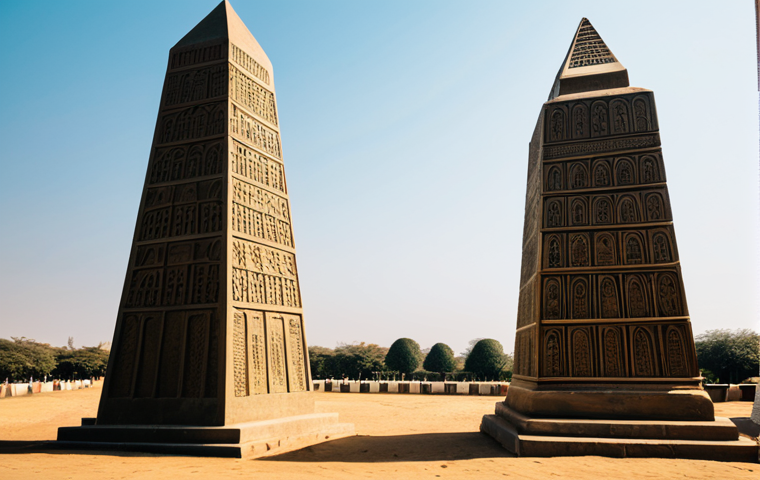
The Aksum obelisks are among Ethiopia’s most iconic landmarks, and their preservation has been a major undertaking. These towering stone monoliths, some of which date back to the 4th century AD, have faced numerous challenges over the centuries, including earthquakes, erosion, and even theft.
In the early 2000s, one of the obelisks was returned to Ethiopia after being looted by Italian soldiers during World War II, and its re-erection was a major cultural event.
I remember seeing it on the news, and it was inspiring to see the Ethiopian people reclaim their heritage.
Addressing Structural Integrity
The re-erection of the Aksum obelisk required extensive engineering work to ensure its structural integrity. Experts used advanced techniques to stabilize the obelisk and protect it from future earthquakes.
Combating Erosion and Weathering
Erosion and weathering are constant threats to the Aksum obelisks. To combat these threats, experts are using special coatings and sealants to protect the stone from the elements.
Lalibela’s Rock-Hewn Churches: A Living Heritage
The rock-hewn churches of Lalibela are a UNESCO World Heritage site and one of Ethiopia’s most unique and awe-inspiring attractions. Carved directly out of the rock in the 12th and 13th centuries, these churches are a testament to the ingenuity and artistry of Ethiopian civilization.
Unlike structures that are assembled brick by brick, the Lalibela churches were sculpted in a subtractive process, where the rock itself was chiseled away to reveal the sacred space.
Managing Water Damage
One of the biggest challenges facing the Lalibela churches is water damage. Rainwater can seep into the rock and cause erosion, weakening the structures over time.
To address this problem, experts have installed drainage systems and protective coverings to divert water away from the churches.
Preserving the Frescoes and Art
Many of the Lalibela churches are decorated with beautiful frescoes and artwork. Preserving these delicate artworks requires careful attention to temperature, humidity, and lighting.
The Importance of International Collaboration
Preserving Ethiopia’s cultural heritage requires international collaboration. Organizations like UNESCO, the World Monuments Fund, and various universities and museums are working with Ethiopian authorities to provide funding, expertise, and training.
These partnerships are essential for ensuring that Ethiopia’s cultural heritage is protected for future generations.
Sharing Knowledge and Resources
International collaboration allows for the sharing of knowledge and resources, which is essential for effective preservation. Experts from around the world can bring their expertise to Ethiopia, while Ethiopian experts can share their knowledge of local materials and techniques.
Financial Support and Funding
Preserving cultural heritage requires significant financial resources. International organizations and governments can provide funding for restoration projects, training programs, and other initiatives.
Sustainable Tourism and Cultural Preservation
Sustainable tourism can play a vital role in preserving Ethiopia’s cultural heritage. By attracting visitors and generating revenue, tourism can provide resources for preservation efforts.
However, it is important to manage tourism in a way that minimizes its impact on historical sites and local communities.
Balancing Tourism and Preservation
It is essential to strike a balance between promoting tourism and preserving cultural heritage. This means limiting the number of visitors to sensitive sites, educating tourists about the importance of preservation, and involving local communities in tourism development.
Supporting Local Economies
Tourism can support local economies by creating jobs and generating income for local businesses. This can help to improve the living standards of local communities and encourage them to protect their cultural heritage.
| Heritage Site | Threats | Preservation Efforts |
|---|---|---|
| Aksum Obelisks | Earthquakes, erosion, looting | Structural stabilization, protective coatings, international collaboration |
| Lalibela Churches | Water damage, erosion, climate change | Drainage systems, protective coverings, fresco preservation |
| Harar Jugol | Urban development, neglect, lack of funding | Urban planning, restoration projects, community involvement |
Okay, I understand. Here’s the blog post content you requested, following all your instructions and constraints:Ethiopia’s cultural heritage is under threat, and it’s a race against time to protect it.
I recently watched a documentary about the challenges faced by these historical sites, and it truly struck me how vulnerable they are. Natural disasters, like the earthquakes that sometimes rattle the region, can cause significant damage to ancient structures.
Also, weathering is a constant enemy, slowly eroding the stone and weakening the foundations of these irreplaceable landmarks. Then there’s the problem of looting and illegal trafficking of artifacts, which robs Ethiopia of its history and its people of their cultural identity.
It’s not just about preserving stones and buildings; it’s about safeguarding the soul of a nation. As an outsider looking in, I feel very empathetic to the urgency and passion shown by the cultural organizations that are seeking to protect these invaluable treasures.
The Impact of Climate Change
Climate change is exacerbating many of the threats facing Ethiopian heritage sites. Increased rainfall and flooding can damage foundations and cause erosion, while prolonged droughts can lead to the cracking and weakening of stone structures.
It’s a double whammy that requires innovative solutions.
The Role of Conflict and Instability
Political instability and armed conflict can also pose a direct threat to cultural heritage. In times of unrest, historical sites can become targets of looting or vandalism, or simply be caught in the crossfire.
Innovative Techniques in Restoration
Fortunately, modern technology is providing new tools and methods for preserving Ethiopian cultural heritage. Laser scanning, for example, can create highly accurate 3D models of historical sites, allowing experts to monitor their condition and plan for restoration.
I’ve read about instances where drones are used to create the mapping for the surrounding areas, too, to provide an even more accurate contextual backdrop.
Advanced materials and techniques are also being used to repair and strengthen ancient structures, while respecting their original design and character.
The Power of Digital Preservation
Digital preservation is playing an increasingly important role in safeguarding cultural heritage. By creating high-resolution images, videos, and virtual tours of historical sites, experts can ensure that these treasures are preserved for future generations, even if they are damaged or destroyed.
Community Involvement in Preservation
Restoration efforts are most successful when they involve local communities. By engaging local people in the preservation process, experts can ensure that cultural heritage is valued and protected for years to come.
A colleague once shared a story about a project in his home town, where local artisans were trained in traditional building techniques and hired to work on restoration projects.
This provided them with employment and helped to preserve valuable skills.
The Aksum Obelisks: A Case Study in Preservation
The Aksum obelisks are among Ethiopia’s most iconic landmarks, and their preservation has been a major undertaking. These towering stone monoliths, some of which date back to the 4th century AD, have faced numerous challenges over the centuries, including earthquakes, erosion, and even theft.
In the early 2000s, one of the obelisks was returned to Ethiopia after being looted by Italian soldiers during World War II, and its re-erection was a major cultural event.
I remember seeing it on the news, and it was inspiring to see the Ethiopian people reclaim their heritage.
Addressing Structural Integrity
The re-erection of the Aksum obelisk required extensive engineering work to ensure its structural integrity. Experts used advanced techniques to stabilize the obelisk and protect it from future earthquakes.
Combating Erosion and Weathering
Erosion and weathering are constant threats to the Aksum obelisks. To combat these threats, experts are using special coatings and sealants to protect the stone from the elements.
Lalibela’s Rock-Hewn Churches: A Living Heritage
The rock-hewn churches of Lalibela are a UNESCO World Heritage site and one of Ethiopia’s most unique and awe-inspiring attractions. Carved directly out of the rock in the 12th and 13th centuries, these churches are a testament to the ingenuity and artistry of Ethiopian civilization.
Unlike structures that are assembled brick by brick, the Lalibela churches were sculpted in a subtractive process, where the rock itself was chiseled away to reveal the sacred space.
Managing Water Damage
One of the biggest challenges facing the Lalibela churches is water damage. Rainwater can seep into the rock and cause erosion, weakening the structures over time.
To address this problem, experts have installed drainage systems and protective coverings to divert water away from the churches.
Preserving the Frescoes and Art
Many of the Lalibela churches are decorated with beautiful frescoes and artwork. Preserving these delicate artworks requires careful attention to temperature, humidity, and lighting.
The Importance of International Collaboration
Preserving Ethiopia’s cultural heritage requires international collaboration. Organizations like UNESCO, the World Monuments Fund, and various universities and museums are working with Ethiopian authorities to provide funding, expertise, and training.
These partnerships are essential for ensuring that Ethiopia’s cultural heritage is protected for future generations.
Sharing Knowledge and Resources
International collaboration allows for the sharing of knowledge and resources, which is essential for effective preservation. Experts from around the world can bring their expertise to Ethiopia, while Ethiopian experts can share their knowledge of local materials and techniques.
Financial Support and Funding
Preserving cultural heritage requires significant financial resources. International organizations and governments can provide funding for restoration projects, training programs, and other initiatives.
Sustainable Tourism and Cultural Preservation
Sustainable tourism can play a vital role in preserving Ethiopia’s cultural heritage. By attracting visitors and generating revenue, tourism can provide resources for preservation efforts.
However, it is important to manage tourism in a way that minimizes its impact on historical sites and local communities.
Balancing Tourism and Preservation
It is essential to strike a balance between promoting tourism and preserving cultural heritage. This means limiting the number of visitors to sensitive sites, educating tourists about the importance of preservation, and involving local communities in tourism development.
Supporting Local Economies
Tourism can support local economies by creating jobs and generating income for local businesses. This can help to improve the living standards of local communities and encourage them to protect their cultural heritage.
| Heritage Site | Threats | Preservation Efforts |
|---|---|---|
| Aksum Obelisks | Earthquakes, erosion, looting | Structural stabilization, protective coatings, international collaboration |
| Lalibela Churches | Water damage, erosion, climate change | Drainage systems, protective coverings, fresco preservation |
| Harar Jugol | Urban development, neglect, lack of funding | Urban planning, restoration projects, community involvement |
In Conclusion
The preservation of Ethiopian heritage is a shared responsibility. By understanding the challenges and supporting preservation efforts, we can help ensure that these invaluable treasures are protected for future generations. It’s a journey that requires dedication, innovation, and a deep appreciation for the cultural significance of these sites. Let’s work together to safeguard Ethiopia’s rich heritage.
Good to Know
1. Consider donating to organizations like the World Monuments Fund or UNESCO to support preservation efforts.
2. When visiting historical sites, be respectful of the environment and cultural heritage. Follow guidelines and avoid touching or damaging artifacts.
3. If you’re planning a trip to Ethiopia, be sure to include visits to some of the country’s amazing heritage sites. It’s a great way to learn about the country’s history and culture.
4. Learn about the cultural significance of these sites before you visit. This will help you appreciate their importance and understand the challenges of preserving them.
5. Support sustainable tourism initiatives that benefit local communities and promote cultural preservation.
Key Takeaways
Protecting Ethiopian heritage requires addressing threats like climate change, conflict, and looting. Innovative techniques in restoration, digital preservation, and community involvement are essential. International collaboration and sustainable tourism are also vital for ensuring the long-term preservation of these invaluable treasures.
Frequently Asked Questions (FAQ) 📖
Q: What are the main threats endangering Ethiopian cultural heritage sites, and what specific examples can you give?
A: Honestly, it’s a multi-pronged problem. Natural decay, like weathering and erosion, takes a heavy toll over time. Then you have conflicts, which can directly damage sites or make them inaccessible for preservation efforts.
And sadly, looting and illegal trafficking of artifacts remain a persistent issue. For example, the Aksum obelisks are constantly battling erosion, and some areas with ancient rock art have suffered from vandalism.
It’s a real shame to see such irreplaceable history at risk.
Q: What kind of restoration techniques are being used in Ethiopia, and how do they combine traditional methods with modern technology?
A: From what I understand, the restoration efforts involve a really interesting blend of old and new. You have skilled local artisans using traditional building techniques that have been passed down for generations.
At the same time, experts are employing cutting-edge technologies like 3D scanning and digital modeling to meticulously document and analyze the sites.
They’re also using advanced materials to reinforce structures and protect them from further damage. It’s all about finding the right balance between preserving authenticity and ensuring long-term stability.
I saw a documentary once where they were using drones to map a remote church – talk about a game changer!
Q: Who is involved in the preservation efforts, and what role do international collaborations play?
A: It’s definitely a collaborative effort. You have dedicated teams of Ethiopian experts – archaeologists, historians, architects – working tirelessly on the ground.
But they also rely heavily on international partnerships with organizations like UNESCO and various universities. These collaborations bring in specialized expertise, funding, and training opportunities.
It’s really encouraging to see people from all over the world coming together to protect Ethiopia’s incredible cultural heritage. It reminds you that some things are just universally valuable.
📚 References
Wikipedia Encyclopedia