Have you ever considered an ancient empire in Africa, so powerful and sophisticated it minted its own coins and rivaled the likes of Rome and Persia? That’s the Aksumite Kingdom, and let me tell you, when I first delved into its history, my mind was genuinely blown by its sheer scale and influence.
Flourishing roughly from the 1st to the 7th century CE in what is now Ethiopia, Aksum wasn’t just a regional player; it was a global powerhouse controlling vital trade routes from the Red Sea far into the African interior.
What truly fascinates me about Aksum, even today, is how its legacy continues to unfold through ongoing archaeological discoveries. Recent findings are constantly unearthing new layers of its immense complexity, challenging previous assumptions and painting a much richer picture of this ancient African superpower.
This continuous rediscovery is vital, not just for historians, but for understanding global interconnectedness centuries ago and how such powerful, non-European civilizations shaped our world.
It’s a testament to human ingenuity and resilience, a story that, in my opinion, doesn’t get nearly enough attention in mainstream historical narratives.
Let’s explore this in detail below.
The Crossroads of Ancient Commerce
When I first stumbled upon the Aksumite Kingdom’s place in the ancient world, I was genuinely astonished by its strategic brilliance. Imagine a civilization that didn’t just *participate* in global trade, but essentially *controlled* a massive chunk of it, linking three continents long before most people even conceived of such interconnectedness.
It wasn’t just about geography; it was about an acute understanding of economic power. Aksum sat pretty on the critical trade routes connecting the Roman Empire (and later Byzantium), Persia, India, and even China, via the Red Sea and the Nile River.
This wasn’t some minor regional hub; it was a veritable ancient equivalent of a global shipping giant, handling everything from exotic spices to precious metals.
I remember thinking, “How did they manage this without modern communication? The sheer logistical genius must have been immense!” This control gave them incredible leverage, allowing them to amass vast wealth and exert influence far beyond their immediate borders.
The Red Sea, in particular, was their personal highway, buzzing with their ships laden with goods.
1. Mastering the Maritime Silk Roads
The Aksumites were, in essence, the ancient world’s shipping magnates. They didn’t just sail; they dominated the waves of the Red Sea, projecting their power through naval might and strategic port cities like Adulis.
When I picture their ships, I imagine robust vessels, navigating currents and winds with a mastery that could only come from generations of seafaring expertise.
Their control over this crucial maritime route meant that if you wanted to move goods between the Mediterranean and the Indian Ocean, you often had to go through Aksum.
This wasn’t just about collecting tolls; it was about facilitating, protecting, and, in many ways, defining the flow of commerce. The goods that passed through their hands were incredibly diverse, fueling an economy that was both robust and sophisticated.
It was a true testament to their understanding of global supply chains, millennia before the term even existed.
2. The Bounty of the Hinterlands and Beyond
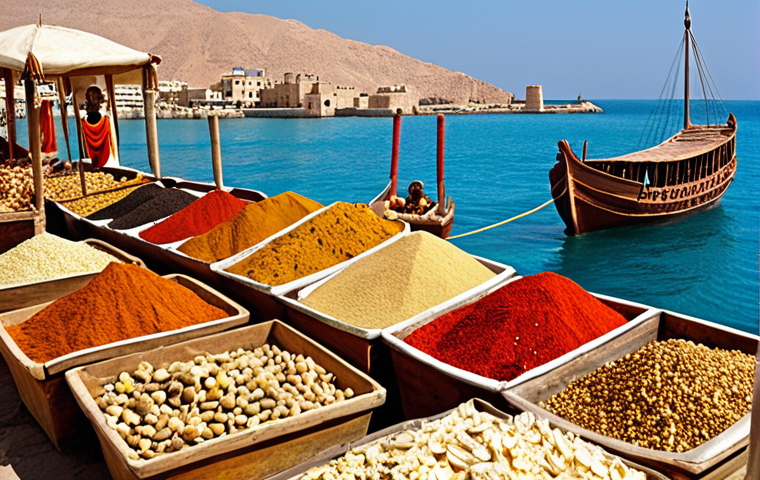
It wasn’t just about being a transit point; Aksum had its own valuable exports that were highly sought after across empires. Gold, frankincense, myrrh, ivory, rhinoceros horn, and even live exotic animals like elephants were all part of Aksum’s lucrative trade portfolio.
I can almost smell the frankincense wafting through the ancient markets, mixed with the sweat and dust of caravans. This wasn’t just raw materials; the Aksumites were also known for their manufactured goods, including finely crafted textiles and metalwork, showcasing their artisanal skill.
This dual role as both a conduit and a producer of high-value goods truly cemented their place as an economic superpower. Their ability to source these goods from deep within the African interior, through well-established trade networks, speaks volumes about their organizational capabilities and diplomatic prowess with neighboring peoples.
A Glimpse into Aksumite Daily Life and Grandeur
Stepping back in time to ancient Aksum, I find myself imagining not just the grand monuments but the everyday lives of its people. What did they eat? How did they socialize?
It’s easy to get lost in the regality of kings and the complexity of trade, but the human element is what truly brings history to life for me. The city of Aksum itself was a vibrant, bustling metropolis, a true melting pot of cultures and ideas.
From what we’ve uncovered, the architecture wasn’t just functional; it was symbolic, reflecting a sophisticated societal structure with distinct classes.
The sheer scale of some of their projects, like the monolithic stelae, makes me wonder about the labor and engineering prowess involved. It wasn’t just brute force; it was intelligent design, passed down through generations.
1. Urban Living and Social Strata
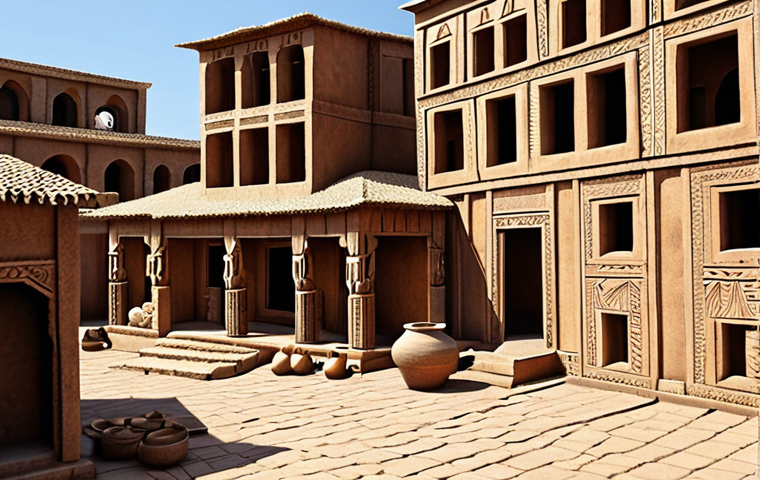
Archaeological digs have revealed a fascinating picture of Aksumite urban planning. There were grand royal compounds, impressive public buildings, and residential areas that ranged from sprawling villas for the elite to more modest dwellings for common folk.
This distinct stratification is something I always look for when studying ancient societies, as it tells you so much about their values and power dynamics.
The discovery of various artifacts, from pottery shards to tools, gives us clues about their daily routines, diet, and even their leisure activities. I can almost hear the sounds of the marketplace, the chatter of people bartering, the clanking of artisans at work.
The city was meticulously organized, indicating a strong central authority and a populace that understood and adhered to civic order.
2. Feasting, Farming, and Artisanal Skill
Agriculture was the backbone of Aksumite society, with fertile lands supporting a diverse range of crops. They cultivated grains like teff, wheat, and barley, forming the staple diet.
Beyond the farms, the skill of Aksumite artisans was truly remarkable. Their pottery, metalwork (especially gold and silver), and elaborate jewelry demonstrate not only technical mastery but also a refined aesthetic sense.
I’ve seen images of their intricate gold pieces, and they’re truly breathtaking, rivaling anything produced in contemporary Rome or Byzantium. It makes me reflect on how often African craftsmanship is overlooked in broader historical narratives.
The table below illustrates some of the key elements of Aksumite life and its economic drivers:
| Category | Key Characteristics/Examples | Significance |
|---|---|---|
| Economy | Gold, Ivory, Frankincense, Myrrh, Rhinoceros Horn, Spices, Incense | Controlled vital trade routes; self-minted gold, silver, and bronze coins. |
| Social Structure | King, Nobility, Priests, Merchants, Farmers, Artisans, Laborers | Highly stratified society with clear roles and hierarchies. |
| Daily Life | Grain-based diet, intricate pottery, metalwork, multi-storied dwellings | Reflects advanced urban living and skilled craftsmanship. |
| Architecture | Giant stelae, multi-storied palaces, rock-hewn churches (later) | Demonstrates sophisticated engineering and religious devotion. |
The Aksumite Kings: Power, Piety, and Political Acumen
The Aksumite Kingdom wasn’t just a geographical entity; it was forged and maintained by a succession of powerful rulers who were both shrewd politicians and, at times, deeply religious figures.
Their names, like Ezana, Kaleb, and Ella Asbeha, resonate with tales of military campaigns, diplomatic triumphs, and profound societal shifts. What always strikes me about these monarchs is their multifaceted roles: they were not just commanders-in-chief but also chief judges, religious leaders, and the driving force behind the kingdom’s economic prosperity.
Their reign was marked by a constant balancing act of internal governance and external projection of power, and I can only imagine the weight of such responsibility.
1. King Ezana’s Pivotal Conversion
Perhaps no Aksumite king is as widely recognized as Ezana, whose reign in the 4th century CE marked a profound turning point for the kingdom: its conversion to Christianity.
This wasn’t a sudden, impulsive decision; it was a strategic adoption that aligned Aksum with the burgeoning Christian world, particularly the Byzantine Empire.
I often think about the courage it must have taken to abandon ancestral beliefs and embrace a new faith, and the political implications that followed.
Ezana’s conversion transformed Aksum into one of the earliest Christian states in the world, leaving an indelible mark on its cultural identity and future trajectory.
His inscriptions, found on the famous Ezana Stone, detail his military victories and, crucially, his newfound Christian faith, giving us a direct window into his mindset.
2. King Kaleb’s Global Reach
Another formidable figure was King Kaleb (also known as Ella Asbeha) in the 6th century CE. His reign is particularly fascinating to me because it showcased Aksum’s true reach and military prowess beyond its borders.
Kaleb launched a major military expedition across the Red Sea into Himyar (modern-day Yemen) to protect persecuted Christians. This wasn’t just a rescue mission; it was a significant projection of Aksumite power and influence, demonstrating their capacity for large-scale amphibious operations.
The fact that a powerful African kingdom could intervene militarily in a conflict on the Arabian Peninsula, challenging the likes of the Sasanian (Persian) Empire, speaks volumes about Aksum’s status as a formidable global player.
It truly highlights how interconnected the ancient world was, and how Aksum played a central role in that web of alliances and conflicts.
Ethiopia’s Ancient Script and Architectural Marvels
One of the most enduring legacies of the Aksumite Kingdom, and something that truly captivates my historical imagination, is its remarkable cultural output, particularly its unique script and monumental architecture.
It’s not just about aesthetics; these elements are profound reflections of their advanced civilization, their complex beliefs, and their incredible engineering capabilities.
When I look at images of the towering stelae, I don’t just see stones; I see the collective effort of thousands, guided by a vision that spanned generations, a true testament to human ambition.
1. Ge’ez: A Script That Endured
The Aksumites developed their own distinctive script, Ge’ez, which is one of the oldest continually used alphabets in the world and forms the basis of modern Amharic and Tigrinya scripts in Ethiopia and Eritrea.
This wasn’t just for official documents; it was used for religious texts, historical inscriptions, and everyday communication. The fact that it evolved and persisted for centuries, influencing future languages, is simply mind-blowing to me.
It speaks to a deep intellectual tradition and a sophisticated system of record-keeping. Imagine a world without widespread literacy, and then consider a kingdom that developed such an intricate and beautiful writing system – it’s a profound achievement that often goes unappreciated in Western-centric historical narratives.
2. The Monolithic Stelae of Aksum
No discussion of Aksumite architecture would be complete without mentioning the awe-inspiring stelae. These weren’t just grave markers; they were towering, intricately carved obelisks, some reaching over 33 meters (108 feet) tall and weighing hundreds of tons, carved from a single piece of granite.
The precision of their carving, mimicking multi-storied buildings with false doors and windows, indicates an advanced understanding of masonry and engineering.
I often find myself pondering the sheer logistical challenge of quarrying, transporting, and erecting these colossal stones without modern machinery. It implies a highly organized society with incredible resourcefulness and determination.
The largest stelae, now fallen, would have been among the tallest ancient structures in the world, truly monumental statements of royal power and spiritual belief.
From Paganism to the Cross: Aksum’s Spiritual Journey
The spiritual landscape of the Aksumite Kingdom underwent a seismic shift that profoundly shaped its identity and future. From its earliest roots in polytheistic beliefs, heavily influenced by South Arabian traditions, to its momentous adoption of Christianity, Aksum’s religious evolution is a captivating narrative.
For me, observing how a kingdom navigates such a fundamental change, and the lasting impact it has on its people, art, and politics, is one of the most compelling aspects of its history.
It wasn’t just a top-down decree; it was a societal transformation that resonated through every layer of Aksumite life.
1. Syncretic Roots and Ancient Deities
Before Christianity took hold, Aksum’s spiritual life was rich with various deities and practices, many influenced by the polytheistic religions of South Arabia, especially the Sabaean pantheon.
They worshipped gods associated with the sun, moon, and stars, often incorporating symbols like the crescent moon and disk in their art and inscriptions.
This syncretic blend of indigenous African beliefs with external influences created a unique religious tapestry. I can envision ancient rituals, offerings, and communal gatherings, all centered around these powerful cosmic forces.
It’s a testament to how adaptable and open Aksumite society was to incorporating foreign ideas while still retaining its distinct character. This period also saw the construction of impressive pre-Christian temples, showcasing the architectural skill that would later be applied to Christian structures.
2. The Christian Transformation
The arrival of Christianity in the 4th century CE, primarily through the efforts of Frumentius, a Syrian Greek who became the first Bishop of Aksum, was a watershed moment.
As mentioned, King Ezana’s conversion solidified this shift, turning Aksum into one of the earliest Christian states in the world, alongside Armenia and Georgia.
This wasn’t just a personal faith choice; it was a political alignment that connected Aksum with the burgeoning Christian empires of Byzantium and Egypt.
I often wonder about the internal debates and resistance that must have occurred during such a profound religious transition. Nevertheless, Christianity rapidly integrated into the fabric of Aksumite society, leading to the construction of magnificent churches, the translation of religious texts into Ge’ez, and the emergence of a distinctive Ethiopian Orthodox Tewahedo Church that endures to this day, a powerful living legacy of Aksum’s spiritual journey.
Echoes Through Time: Why Aksum Still Resonates
Even after its eventual decline and fragmentation in the 7th century CE, the Aksumite Kingdom didn’t simply vanish into the mists of history. Its legacy, in my opinion, continues to ripple through contemporary Ethiopia and indeed, the broader understanding of ancient African civilizations.
For me, what makes Aksum so profoundly relevant today isn’t just its past glory, but how it challenges prevailing narratives about global history and the origins of power.
It forces us to reconsider what we think we know about ancient empires and their interconnectedness.
1. A Living Legacy in Modern Ethiopia
The impact of Aksum is undeniably woven into the very fabric of modern Ethiopia. The Ethiopian Orthodox Tewahedo Church, with its ancient rituals, unique liturgy, and powerful monastic traditions, is a direct descendant of Aksumite Christianity.
The Ge’ez script, as I mentioned, is still central to religious texts and scholarly works, bridging millennia of communication. Moreover, the historical city of Aksum itself remains a spiritual heartland, a UNESCO World Heritage site, and a place of deep national pride.
I’ve heard stories from modern Ethiopians who speak of Aksum as if it were yesterday, not a distant past, a testament to its living memory and cultural significance.
The ongoing archaeological work there continues to uncover new treasures, reminding us that Aksum still has many stories to tell.
2. Redefining Global History
Perhaps the most crucial contribution of the Aksumite Kingdom is its role in redefining our understanding of global history. For far too long, historical narratives have been Eurocentric, often overlooking or minimizing the contributions of powerful African empires.
Aksum stands as a powerful counter-narrative, demonstrating an indigenous African civilization that rivaled Rome and Persia in wealth, military might, cultural sophistication, and global influence.
It proves that complex, powerful, and internationally connected societies flourished outside of Europe and Asia, shaping the ancient world in profound ways.
When I teach or discuss world history, I always highlight Aksum as a prime example of an empire that forces us to expand our worldview and appreciate the incredible diversity and richness of human achievement across all continents.
Its story is not just history; it’s a vital lesson in perspective and global appreciation.
Conclusion
As I reflect on the incredible journey through the Aksumite Kingdom, I’m left with a profound sense of awe for this ancient African civilization. Their mastery of trade, their innovative architecture, and their pivotal shift to Christianity weren’t just historical footnotes; they were transformative forces that profoundly shaped the ancient world and continue to resonate today.
Understanding Aksum isn’t merely about memorizing dates and names; it’s about acknowledging a powerful, interconnected past that often gets overlooked.
It truly makes you reconsider the scope of human ingenuity and resilience across continents and millennia, leaving me constantly inspired by their enduring legacy.
Good to Know
1. UNESCO World Heritage Site: The historic city of Aksum is a designated UNESCO World Heritage site, recognized for its monumental stelae, ancient ruins, and rich cultural heritage.
2. The Obelisk’s Return: After being looted by Italy in 1937, a major Aksumite obelisk (stela) was finally returned to Ethiopia and re-erected in its original location in 2008, a testament to its cultural significance.
3. Living Language: The ancient Ge’ez script, developed by the Aksumites, is still actively used today in the liturgical services of the Ethiopian Orthodox Tewahedo Church and for scholarly texts.
4. Coinage Prowess: Aksum was one of the first African kingdoms to mint its own gold, silver, and bronze coins, which were widely circulated and served as a symbol of its economic power and sovereignty.
5. Ark of the Covenant Connection: While debated, many Ethiopians believe that the Ark of the Covenant, containing the Ten Commandments, resides in the Church of Our Lady Mary of Zion in Aksum, brought there by Menelik I, son of the Queen of Sheba and King Solomon.
Key Takeaways
The Aksumite Kingdom was a formidable ancient African empire that commanded vital trade routes, linking Rome, Persia, India, and China. It was renowned for its immense wealth derived from gold, ivory, and spices, alongside its sophisticated naval power.
Key features included monumental stelae, an advanced Ge’ez script, and a highly stratified society. Its transformation to one of the world’s earliest Christian states under King Ezana marked a pivotal moment.
Aksum’s enduring legacy is deeply woven into modern Ethiopia’s cultural and religious identity, significantly challenging conventional Eurocentric narratives of global history and demonstrating the profound achievements of ancient African civilizations.
Frequently Asked Questions (FAQ) 📖
Q: Given that the
A: ksumite Kingdom flourished for centuries and rivaled major powers, what specifically made it such a formidable global powerhouse, beyond just its location?
A1: You know, when I first dug into Aksum, what really hit me was just how incredibly strategic their entire setup was. It wasn’t merely about being on the Red Sea; it was their mastery over the entire trade network.
Think about it: they controlled the flow of goods like ivory, gold, frankincense, myrrh, and spices coming from the African interior and beyond, right into the maritime routes heading to Rome, Persia, India, and even China.
I mean, they weren’t just a stopover; they were the bottleneck. That economic leverage, the sheer wealth pouring in, allowed them to develop an incredibly sophisticated infrastructure, mint their own gold and silver coins (a massive sign of sovereignty and economic prowess!), and maintain a powerful military that could project influence far and wide.
They weren’t just reacting to the world; they were actively shaping global commerce and politics, holding their own against empires we usually only hear about in history class.
It truly blows my mind how often this level of power in ancient Africa gets overlooked.
Q: You mentioned that
A: ksum’s legacy is continuously unfolding through new archaeological discoveries. Can you elaborate on what kinds of recent finds are challenging previous assumptions and enriching our understanding?
A2: Oh, this is where it gets really exciting for me! The beauty of archaeology is that it’s always changing our perspective, and Aksum is a prime example.
For years, narratives about ancient Africa were often quite limited, but recent digs are just obliterating those old, narrow views. We’re talking about discoveries of vast, intricate urban centers with advanced drainage systems, multi-story buildings, and incredible artistry, all showing a level of planning and engineering that just makes you gasp.
My personal favorite are the findings related to their iron working – evidence of sophisticated metallurgy that puts them right at the forefront of technological innovation for their time.
And let’s not forget the stelae, those massive obelisks, which are still revealing secrets about their engineering capabilities and funerary practices.
Every new layer uncovered, every shard of pottery analyzed, every rediscovered inscription adds such depth. It’s like we’re finally getting the full, vibrant picture of a civilization that was far more complex, interconnected, and influential than many textbooks ever gave it credit for.
It’s genuinely inspiring to watch history unfold right before our eyes through these ongoing discoveries.
Q: Why is it so crucial for us to delve into the history of the
A: ksumite Kingdom today, especially given your point that it doesn’t receive enough mainstream attention? A3: Honestly, I feel it’s absolutely vital for so many reasons.
For starters, understanding Aksum completely reshapes our perception of ancient globalization. It proves, beyond a shadow of a doubt, that the world was incredibly interconnected centuries ago, with powerful, sophisticated non-European empires playing pivotal roles in trade, diplomacy, and cultural exchange.
It challenges the all-too-common, Eurocentric view of history that often marginalizes or completely omits the contributions of African civilizations. When we ignore places like Aksum, we’re missing huge pieces of the human story – tales of ingenuity, resilience, and complex societal structures that flourished independently and powerfully.
Learning about Aksum is like filling in a massive blank space in our collective historical memory, giving us a more accurate, inclusive, and frankly, more exciting picture of how our world came to be.
For me, it’s about correcting the historical record and appreciating the incredible diversity of human achievement, reminding us that innovation and power were never confined to one geographic region.
📚 References
Wikipedia Encyclopedia
구글 검색 결과
구글 검색 결과
구글 검색 결과
구글 검색 결과
구글 검색 결과