Ethiopian coffee is the strongest choice for coffee lovers, while berbere, handwoven cotton scarves, and small artisan crafts are practical options for food and gift shoppers.
The best purchase depends on freshness information, material details, luggage space, and the import or delivery rules that apply where you live. Ethiopia is widely recognized as the birthplace of Arabica coffee, and its coffee is sold in whole-bean, ground, and roasted single-origin formats.
Berbere offers an easy way to bring Ethiopian cooking into a home kitchen, but ingredients and heat can differ widely by maker. Handwoven textiles, baskets, leather goods, metalwork, incense, and religious-art-inspired handicrafts can be meaningful gifts when the seller can explain what they are made from.
Before paying more for a specialty item, compare labeling, packaging, total delivery cost, and documentation rather than relying on appearance alone.
At a Glance
- For coffee lovers: Choose Ethiopian whole beans or roasted single-origin coffee with clear origin and roast information.
- For food gifts: Berbere is compact and useful, but check the ingredient label, freshness details, and destination-country import rules.
- For lightweight souvenirs: Handwoven cotton scarves and smaller baskets are often easier to carry than fragile crafts or bulky garments.
| Specialty | Typical Use | Quality Signals | Portability | Price and Shipping Factors |
|---|---|---|---|---|
| Ethiopian coffee | Daily brewing or a premium food gift | Origin details, roast information, packaging, whole-bean option | Easy to pack when sealed | Roast type, seller information, package size, international delivery cost |
| Berbere spice blend | Home cooking and small food gifts | Ingredient list, heat description, freshness details, sealed packaging | Very easy to pack | Blend composition, packaging quality, customs and food-import eligibility |
| Handwoven cotton textiles | Wearable gift or home accent | Material description, weaving quality, maker attribution, care instructions | Usually easy to carry | Size, workmanship, packaging, shipping protection |
| Baskets, leather goods, and metalwork | Decorative or practical gift | Material details, construction, finish, maker information | Varies by size and fragility | Weight, insurance, packing, possible restrictions on materials |
What Is Most Worth Buying from Ethiopia?
Ethiopian coffee, berbere, and handwoven cotton textiles are usually the most straightforward places to start because each has a clear purpose: drinking, cooking, or gifting. Coffee is a natural choice for a specialty-food shopper. Berbere is compact and easy to compare when labels are available. A scarf or wrap can be a personal gift without the packing concerns of a large decorative object.
Quick Picks for Coffee Lovers, Home Cooks, and Gift Shoppers
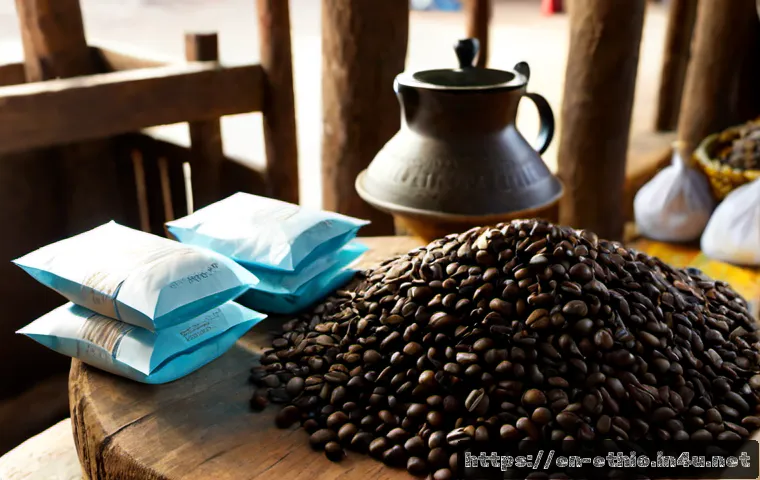
For a coffee lover, look for whole-bean Ethiopian coffee when possible. Whole beans let the recipient grind coffee according to their brewing method, while ground coffee can be convenient for immediate use. A roasted single-origin coffee may be worth considering when the package gives meaningful origin and roast information.
For a home cook, berbere is the obvious starting point. It is a spice blend used in Ethiopian cooking, but no two makers must use the same ingredients or heat level. A gift shopper who wants something non-food can consider a handwoven cotton scarf, a small basket, or a carefully packed leather item.
A Fast Comparison of Food, Textiles, Crafts, and Travel Practicality
Food products are often compact, but they need the most attention at the border. Textiles usually travel well, although buyers should confirm fiber details and care needs. Crafts can be distinctive, but fragile items, oversized baskets, and poorly protected metalwork may create extra baggage or shipping concerns.
If you are buying for someone you do not know well, coffee or a simple textile is generally easier to choose than religious-art-inspired handicrafts. These items may carry personal, cultural, or decorative preferences that are best understood before purchase.
Ethiopian Coffee: How to Choose Beans That Are Worth the Price
Ethiopia produces coffee across several well-known growing regions, and the country is widely recognized as the birthplace of Arabica coffee. That background can make Ethiopian coffee appealing, but a premium label alone does not tell you enough. The practical question is whether the package clearly explains what you are buying, when it was roasted, and how it should be used.
Origin, Processing Method, Roast Date, and Whole-Bean vs. Ground Coffee
Start with the origin information shown by the seller. A package may describe Ethiopian origin broadly or provide more specific regional information. More detail can be useful for comparison, but it should be treated as product information to verify, not as an automatic guarantee of quality.
Look for a roast date or similarly clear freshness information where it is provided. Check whether the coffee is sold as whole bean, ground coffee, or roasted single-origin coffee. Whole beans can be a sensible choice for buyers with a grinder; ground coffee may suit a recipient who values convenience. If a seller lists a processing method, compare that description with the other details on the package instead of using it as the only buying criterion.
Buying at a Market, Café Roaster, Airport Shop, or Online Specialty Retailer
A local market may offer direct access to a range of products, but it is important to inspect packaging and ask simple questions. Is the coffee sealed? Is the origin stated? Is there roast information? Can the seller explain whether it is whole bean or ground?
A café roaster may be useful when you want help selecting a coffee for a particular brewing routine. Airport shops can be convenient for last-minute gifts, but convenience should not replace label checks. An online specialty coffee retailer may make comparison easier because product pages can show origin details, roast information, package format, and international shipping conditions.
For any retailer, compare the product description with the actual package details. If key information is missing, do not assume the coffee is fresh, ethically sourced, locally made, or export-compliant.
When Shipping Costs Make a Larger Coffee Order Better Value
International shipping can change the value of a coffee order. A larger order may spread delivery costs across more bags, but that does not automatically make it the best choice. Consider how quickly you will use the coffee, whether the packaging is well sealed, and whether the seller provides reliable delivery information.
Before ordering, compare roast date, origin details, package format, delivery cost, and any possible duty or customs charges. The lowest listed product price may not be the lowest total cost after shipping and destination-country requirements are considered.
Spices, Tea, Honey, and Other Food Gifts
Berbere is one of the clearest Ethiopian food gifts because it is a spice blend used in Ethiopian cooking. Teff is another important Ethiopian food ingredient because injera is traditionally made with this small grain. For any food item, the safest buying approach is simple: prioritize a complete label, secure packaging, and destination-country eligibility.
Berbere and Other Spice Purchases: Ingredient Labels, Heat Level, and Freshness
Berbere can vary by maker, especially in ingredients and heat level. Read the label rather than assuming every blend tastes the same. Look for an ingredient list, allergen information when supplied, a freshness date or other date information, and instructions for storage if available.
A sealed package is generally more practical for travel and gifting than a loose or poorly labeled blend. If you are buying berbere for a person with dietary restrictions or allergies, do not guess. Ask for the exact ingredient information or choose another gift.
What to Check Before Carrying Food Products Across Borders
Food-import and customs rules differ by destination country. Before placing food in checked luggage or arranging international delivery, check the rules for your destination and any transit points. Eligibility can depend on the specific product, its ingredients, packaging, and local import requirements.
Keep product labels and receipts when available. They can help identify what you are carrying if a customs official asks. Do not rely on general travel advice for a particular food item, because regulations can change and differ from one country to another.
Packaging Choices for Gifts, Checked Luggage, and International Delivery
For gifts, choose packaging that is sealed, labeled, and easy to identify. Place food items in an additional protective bag inside luggage in case a package opens. For international delivery, review the retailer’s packaging and shipping information before paying, especially if the order includes multiple food products.
If you are uncertain about food-import eligibility, a textile or non-fragile craft may be a lower-risk gift choice than a food parcel.
Handwoven Textiles and Artisan Crafts: Quality and Authenticity Checks
Ethiopia has long traditions of handwoven cotton textiles, metalwork, basket weaving, leather goods, incense, and religious-art-inspired handicrafts. These purchases can feel more personal than packaged food, but buyers should be careful not to confuse an attractive object with a documented handmade or locally made product.
Cotton Scarves, Wraps, Baskets, Leather Goods, and Metalwork
Handwoven cotton scarves and traditional garments are important forms of Ethiopian craftsmanship. When selecting a scarf or wrap, inspect the weave, edges, and overall finish. Ask whether the seller can provide material composition, care instructions, and maker information.

For baskets, consider whether the shape will travel safely. For leather goods, check the stitching, closures, and surface finish. For metalwork, look for sharp edges, loose elements, or finishes that could be damaged in transit. These are practical quality checks, not proof of origin or production method.
Questions to Ask About Materials, Maker Attribution, and Care Instructions
Useful questions include:
- What materials are used in this item?
- Is there information about the maker or workshop?
- How should this textile, leather item, or craft be cleaned and stored?
- Can the seller explain whether the item is locally made and whether documentation is available?
- How will the item be packed for travel or international shipping?
If the seller cannot answer, that does not prove a product is inauthentic. It does mean you should avoid paying a premium based on claims you cannot verify.
Avoiding Fragile, Mass-Produced, or Poorly Packed Souvenirs
Examine crafts before purchase, particularly if they include delicate parts or a finish that may scratch. Ask for protective wrapping for fragile goods. Large pieces can also create shipping and insurance questions that make a small purchase less practical than it first appears.
Mass-produced items are not automatically poor gifts, but they should not be presented or priced as unique handmade work without supporting information. A simple, well-finished cotton scarf with clear details can be a better purchase than a complicated item with unclear materials and no packing plan.
Buying Safely: Payments, Bargaining, Shipping, and Customs Considerations
Shopping safely means understanding the complete purchase, not only the item price. Ethiopian birr (ETB) is the local currency, while international sellers may list products in US dollars, euros, or pounds. Exchange rates, shipping fees, duties, and handling costs require confirmation at the time of purchase.
Comparing Local-Market Prices with Boutique and Export-Retailer Prices
Local-market, boutique, and export-retailer prices can reflect different services. A boutique may offer presentation, documentation, or more protective packaging. An international retailer may provide delivery options and clearer product pages. A market purchase may offer direct inspection before you buy.
Compare what is included: product details, packaging, delivery, tracking where offered, and any stated return or damage policy. Do not assume that a higher price confirms better quality, ethical sourcing, local production, or export compliance.
When Bargaining Is Appropriate and When Fixed Pricing Is More Transparent
Whether bargaining is appropriate can depend on the seller and setting. If a price is clearly fixed, use the available product information to decide whether it works for your budget. If discussion is expected, keep it respectful and make sure both sides understand the item, quantity, currency, and final amount.
For a specialty coffee purchase or a carefully documented craft, transparent fixed pricing can make comparison easier. For any transaction, confirm the total before payment and retain a receipt when one is available.
Customs, Restricted Materials, Insurance, and Shipping Documentation
Export, customs, food-import, and wildlife-product rules can differ by destination country. Check whether an item contains any restricted material before buying or shipping it. For a valuable or fragile item, ask how it will be packed and whether shipment documentation or insurance options are available.
Do not rely on verbal assurances alone for an item that may face customs scrutiny. Confirm destination requirements through the relevant official guidance and review the seller’s shipping terms before placing an international order.
Choosing the Right Ethiopian Specialty: Comparison and Decision Summary
Best Choice by Budget, Recipient, Baggage Space, and Shelf Life
Choose whole-bean or ground Ethiopian coffee when the recipient enjoys coffee and you can verify useful freshness and origin details. Choose berbere when you want a small culinary gift and can confirm the ingredient label and import eligibility. Choose a handwoven cotton scarf when baggage space is limited and you want a non-food gift with practical everyday use.
Small baskets, leather goods, and metalwork can be good choices for a recipient who appreciates home décor or handmade objects, but size, fragility, materials, and shipping protection matter more. Larger or delicate crafts are often better ordered through a reputable international retailer that clearly explains delivery conditions.
A Final Pre-Purchase Checklist for Quality, Total Cost, and Delivery Reliability
Before you buy, check these points:
- Product details: Is the coffee origin, roast information, spice ingredient list, or craft material clearly described?
- Condition: Is food packaging sealed? Is a textile well finished? Is a craft free from obvious damage?
- Total cost: Have you considered the listed currency, delivery cost, possible duties, and exchange-rate effects?
- Travel and customs: Can the product be carried or shipped to your destination under applicable rules?
- Seller information: Can the seller explain maker attribution, materials, care, packaging, and delivery terms where relevant?
Compare roast date, origin details, ingredient information, and delivery cost before ordering. For shipping, documentation, return conditions, or product-specific requirements, check the relevant seller page and official destination-country guidance.
In Closing
The most useful Ethiopian specialty is the one that suits the recipient and can be verified before purchase. Coffee rewards careful comparison of origin, roast information, and delivery cost. Berbere works well for cooks when labeling is clear, while handwoven textiles offer an easy-to-carry alternative to food gifts. A few practical questions about materials, packaging, and customs can prevent a memorable purchase from becoming a difficult one.
Useful Things to Know
1. Ethiopian birr is the local currency, but overseas sellers may quote in US dollars, euros, or pounds.
2. Injera is traditionally made with teff, a small grain central to Ethiopian cuisine.
3. Berbere recipes and heat levels can vary by maker, so labels matter.
4. A seller’s claims about local production, ethical sourcing, materials, or export compliance should be checked through available documentation.
Important Notes
Exact prices, shipping charges, duties, exchange rates, ingredient lists, freshness dates, and import eligibility cannot be assumed in advance. Authenticity, material composition, and production methods also require seller documentation or reliable product information. Customs and restricted-material rules vary by destination, so confirm the applicable requirements before travel or international delivery.
Frequently Asked Questions
Q1. What Ethiopian product makes the best gift for a coffee lover?
A1. Ethiopian coffee is the most direct choice. Look for whole-bean, ground, or roasted single-origin coffee with clear origin and roast information. Whole beans can be especially useful for a recipient who owns a grinder, but the best format depends on how they make coffee.
Q2. How can I tell whether Ethiopian coffee is fresh and fairly priced?
A2. Check for a roast date or other freshness information, confirm whether it is whole bean or ground, and review the origin details on the package. To judge total value, compare the product price with package size, shipping charges, currency, and possible destination-country fees rather than focusing on one number.
Q3. Are Ethiopian spices and handmade souvenirs safe to bring home or order internationally?
A3. It depends on the individual product and your destination country. For spices, review ingredient labels, packaging, and food-import rules. For handmade souvenirs, confirm materials, shipping protection, and any restrictions that may apply. Check official customs guidance and seller documentation before traveling or placing an international order.