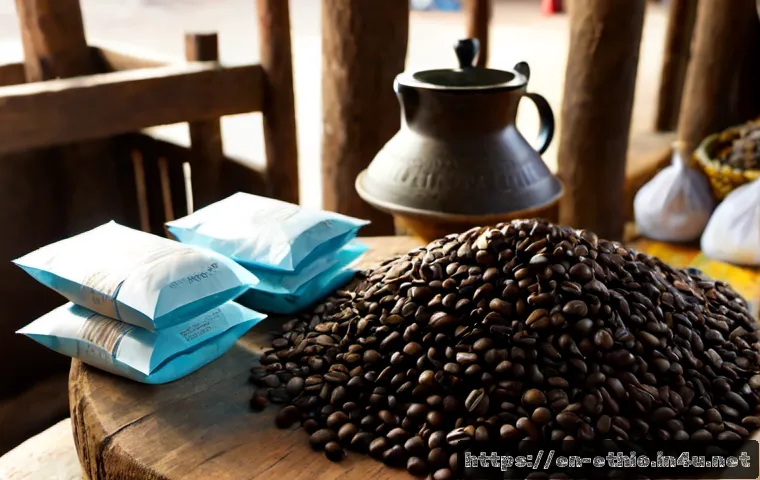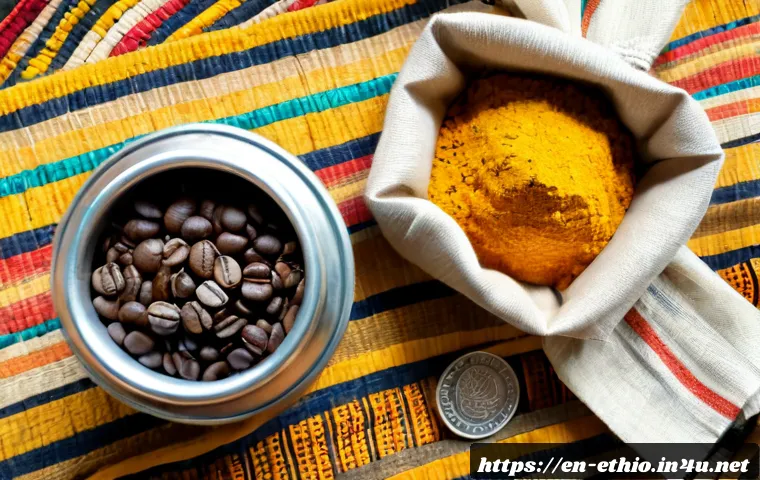
Ethiopian coffee, handwoven textiles, and small artisan crafts are among the most practical souvenirs for most travelers. Choose roasted coffee for an easy gift, textiles for a useful cultural keepsake, and compact baskets or jewelry when suitcase space is limited.
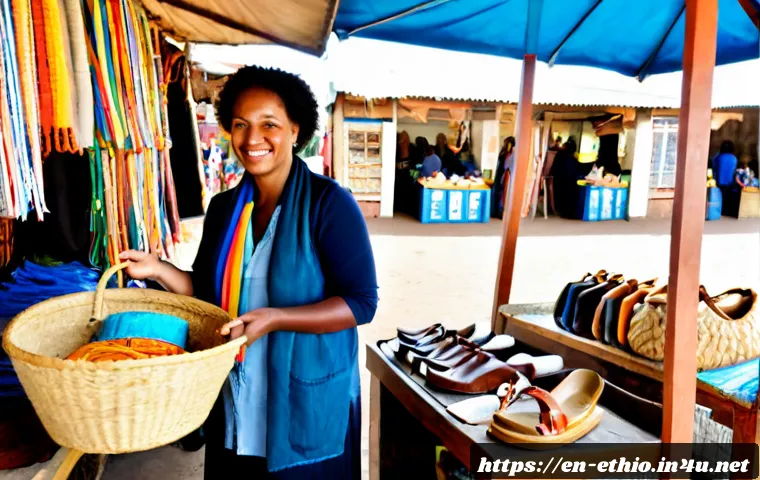
Addis Ababa offers markets, craft centers, galleries, hotels, and specialty shops, but the right place depends on whether you value selection, provenance, convenience, or a quieter buying experience.
Before purchasing, ask about the item’s material, maker, origin, and whether it is intended for export. Keep luggage space, fragile packaging, payment options, and your destination’s customs rules in mind.
A good souvenir should feel meaningful without creating problems at airport security or customs.
At a Glance
- For coffee lovers: roasted Ethiopian coffee is a compact, practical gift; check packaging and destination-country food rules first.
- For design-focused shoppers: handwoven textiles, mesob-style baskets, and artisan jewelry can offer a strong sense of place.
- For carry-on-only travelers: choose scarves, small coffee packs, lightweight jewelry, or compact decorative crafts over oversized or fragile pieces.
| Item Type | Where It May Be Easier to Find | Portability | Authenticity Checks | Budget Considerations |
|---|---|---|---|---|
| Roasted Ethiopian coffee | Specialty shops, hotels, and selected markets | High, if sealed and packed securely | Ask about roast, packaging, and origin information | Compare package size, freshness details, and luggage weight |
| Handwoven textiles | Craft centers, specialty shops, galleries, and markets | High | Ask whether the fabric is handwoven cotton and where it was made | Consider craftsmanship, material, and intended use |
| Mesob-style baskets | Craft centers, markets, and artisan-focused shops | Medium to low for larger pieces | Check weaving quality, shape, and whether the piece is practical or decorative | Large baskets may add baggage or shipping costs |
| Jewelry and Ethiopian crosses | Galleries, specialty shops, hotel boutiques, and craft sellers | High | Ask about materials, maker, origin, and cultural meaning | Do not assume an antique claim adds verified value |
| Religious art and decorative artwork | Galleries, craft centers, and selected shops | Varies by size and fragility | Request clear information about medium, origin, and age claims | Include framing, protective packing, and shipping in the decision |
The Best Ethiopian Purchases at a Glance
The best Ethiopian souvenirs balance cultural connection, portability, and clear provenance. Coffee, textiles, woven crafts, jewelry, and art all make sense for different kinds of travelers. There is no single best purchase: a coffee enthusiast may value a well-packed roast, while a home-decor buyer may prefer a handwoven basket or textile. Buy with a packing plan rather than choosing only by appearance.
Best Choices for Food and Coffee Lovers
Ethiopia is widely associated with Arabica coffee culture, and coffee plays an important role in daily social life in many communities. Roasted coffee can be a thoughtful gift because it is recognizable, useful, and usually easier to carry than large decorative objects. Ask how the coffee is packaged and whether the bag is sealed before adding it to checked or carry-on luggage.
Food-related items require an extra check. Agricultural goods and food products can face import restrictions depending on your destination. Keep the original packaging where possible, and review your home country’s customs guidance before buying coffee, spices, or other edible goods.
Best Gifts for Design, Craft, and Textile Shoppers
Handwoven cotton garments, scarves, shawls, and decorative fabrics are strong choices when you want something that is both beautiful and functional. Textiles fold flat, are generally easier to protect in luggage, and can work as gifts without requiring a large suitcase. Ask about the material and whether the piece is handwoven rather than relying on a label or a quick sales description.
Handwoven baskets are another recognizable Ethiopian craft. A mesob is often used as a traditional serving basket, though similar woven pieces may also be decorative. Look at the weave, lid fit, overall shape, and whether the item can travel without being crushed. A basket that looks perfect on a shelf may be difficult to pack.
Best Options for Travelers With Limited Luggage Space
For limited luggage, focus on flat, light, and durable purchases. Scarves, shawls, small textile pieces, compact jewelry, and coffee in sensible quantities are often easier choices than large baskets, framed art, or ceramics. Small gifts can also be easier to divide among friends, colleagues, or family members.
Think beyond the purchase price. A large craft item can become less practical if it changes your baggage allowance, needs special protection, or requires shipping. Check airline baggage conditions before committing to anything bulky.
Compare Coffee, Textiles, Baskets, Jewelry, and Art Before You Buy
Comparing souvenirs before you shop helps avoid rushed decisions. Use four simple questions: Is it genuinely useful or meaningful to you? Can it fit safely in your luggage? Can the seller explain what it is made from? Does it have any customs or export concern?
Portability, Fragility, and Gift Value Comparison Table
Coffee and folded textiles are generally easier to carry than large woven pieces or fragile art. Jewelry may take little room, but material and origin matter more than size. Decorative art can be memorable, yet a buyer should consider whether it needs a protective sleeve, flat packing, a tube, or professional shipping.
A practical gift is not necessarily the least expensive item. The better comparison is between long-term usefulness, packing difficulty, and confidence in what you are buying. A carefully selected scarf may be more useful than a large object that stays boxed after the trip.
When a Higher-Priced Handmade Item May Be Worth It
A higher-priced handmade item may be worth considering when the seller can clearly explain the material, maker, process, and origin. This is especially relevant for textiles, woven baskets, and artisan jewelry. Clear answers do not prove every claim, but they give you a better basis for comparing one item with another.
Do not treat terms such as “antique,” “rare,” or “collectible” as proof of value by themselves. If an item is presented as old or historically important, ask for specific provenance information. If the details remain unclear, buy it only because you like it as a decorative item—not because of an assumed investment value.
Questions to Ask About Materials, Makers, and Origin
- What material is this made from?
- Was it made locally, and can you describe where it came from?
- Is it handmade, and what part of the process is hand-finished?
- Is this item new, vintage, or being described as an antique?
- Are there any export restrictions or handling considerations I should know about?
For Ethiopian crosses and religious art, ask with particular care. These items may have cultural or spiritual significance. Learn what the object represents, handle it respectfully, and avoid making assumptions about religious use, age, or material.
Shopping Smartly in Addis Ababa and Beyond
Addis Ababa can offer a broad range of shopping settings, including markets, craft centers, galleries, hotels, and specialty shops. Each setting has a different advantage. A market may offer variety, while a gallery or specialty shop may make it easier to discuss materials and origin in a calmer setting.
Choosing Between Markets, Specialty Shops, Galleries, and Hotel Boutiques
Markets can be useful for browsing many styles and comparing similar items. Craft centers may be helpful when you are focused on woven goods, textiles, or giftable decorative pieces. Galleries can be a better fit for art buyers who want time to examine an item and ask detailed questions. Hotel boutiques may be convenient when time is short, though convenience alone should not replace comparison.
For a larger purchase, avoid deciding at the first stall or shop you visit. Take a photo if permitted, note the dimensions, and compare the item against your suitcase space and home decor needs. If you are considering guided shopping, ask what the service includes and whether the guide has any relationship with the sellers.
Cash, Card Payments, Receipts, and Exchange Considerations
The Ethiopian birr is the local currency. Payment acceptance and exchange options can vary by location and by business, so do not assume that every seller accepts the same payment method. Carry a practical mix of payment options suited to your trip, and confirm the method before a purchase is finalized.
For meaningful purchases, request a receipt that describes the item as clearly as the business can provide. A receipt can be useful for your own records, travel insurance documentation, customs questions, or a shipping discussion. Before using a card or other secure payment method, confirm the total amount and currency with the seller.
Respectful Bargaining and How to Avoid Rushed Purchases
Expect shopping practices to vary. Rather than treating bargaining as a contest, stay polite, take your time, and be prepared to walk away if the item, explanation, or packing plan does not feel right. A calm comparison is more useful than pressure from either side.
Rushed purchases often create the same problems: unclear material claims, no receipt, an item too large for the luggage plan, or a souvenir that the traveler later cannot bring home. If you feel uncertain, return later after checking customs rules and baggage space.
Packing, Customs, and Common Souvenir Mistakes
Buying a souvenir is only the first step. The item must also survive the trip and comply with applicable export and import requirements. Build customs checks and packing decisions into your shopping process, especially for food, animal products, antique-looking objects, and large crafts.
Coffee, Spices, and Food Items: Packaging and Destination-Country Checks
Keep coffee and other food items in their original sealed packaging when possible. This makes the product easier to identify and may help if customs officers ask what you are carrying. Your destination country may have separate rules for food or agricultural goods, so review those rules before purchase rather than at the airport.
Do not assume that a small quantity is automatically allowed. Import rules depend on the destination, and requirements can change. If the guidance is unclear, choose a non-food souvenir instead.
Fragile Baskets, Ceramics, and Artwork: Luggage Versus Shipping Decisions
Large woven baskets can be visually striking, but they need space and protection. Consider their dimensions, whether they can nest safely with other luggage, and whether checked baggage could crush or deform them. Fragile artwork and ceramics require even more caution.
Compare baggage allowance and shipping costs before choosing oversized crafts. If shipping is offered, ask how the item will be packed, what documentation is provided, and whether the shipment is suitable for your destination. If those details are not clear, a smaller piece may be the safer choice.
Avoiding Restricted Wildlife Products, Unverified Antiques, and Unclear Provenance
Animal products, protected materials, antiques, and agricultural goods may face export or import restrictions depending on the destination country. Avoid items with unclear materials or vague claims about age. A seller’s verbal assurance is not a substitute for customs guidance.
For anything that appears historic, religious, made from animal material, or potentially protected, pause before buying. Ask for material and origin details, keep supporting documents, and verify rules with the relevant official authorities. When in doubt, choose a modern craft with clearly explained materials.
What to Buy for Different Travel Styles
Your travel style should shape your shopping list. A business traveler, a family visitor, and a collector may all choose different souvenirs from the same city.
Small, Practical Gifts for Friends and Colleagues
Compact coffee, scarves, small textile pieces, and lightweight jewelry can work well for multiple recipients. Choose gifts that are easy to pack and simple to explain. A scarf or coffee gift can feel personal without requiring special display space at home.
For group gifting, decide in advance how many people you are buying for. This reduces impulse purchases and keeps luggage weight under control.
Higher-Value Keepsakes for Collectors and Home Decor Buyers
Handwoven baskets, decorative textiles, artisan jewelry, and carefully chosen artwork may suit travelers looking for a single memorable keepsake. The best approach is to buy fewer items and ask better questions about each one. Consider where it will go in your home before you purchase it.
For religious art and Ethiopian crosses, prioritize respectful selection and clear origin information. Do not buy a piece solely because it is described as old or valuable without documentation you can understand.
Useful Purchases for Coffee Enthusiasts and Home Cooks
Coffee is the most obvious choice for many enthusiasts. Focus on packaging, freshness information where available, and your destination’s import rules. If you are interested in food-related purchases, keep your list flexible because customs requirements may limit what is practical to bring home.
A coffee-related souvenir is often easier to use and share than a fragile object. Still, check the bag’s condition before packing and protect it from crushing or moisture in transit.
Selection Criteria and Comparison Summary
Before paying, make a final decision using these checks:
- Authenticity: Can the seller explain the material, maker, and origin clearly?
- Purpose: Is it a usable gift, a home-decor item, or a personal keepsake?
- Portability: Will it fit safely within your baggage allowance?
- Documentation: Can you obtain a receipt and any relevant item details?
- Eligibility: Have you checked possible export and destination-country import restrictions?
- Payment and protection: Have you confirmed the total, payment method, and packing plan?
Compare airline baggage conditions and shipping options before choosing oversized baskets or fragile art. For current customs rules, payment conditions, or travel insurance coverage for valuable purchases, review the official guidance and policy details on the relevant provider’s page.
Final Thoughts
The best things to buy in Ethiopia are items you can understand, carry, and enjoy after the trip. Coffee and textiles are often practical starting points, while baskets, jewelry, and art can offer a more decorative or personal connection. Ask direct questions, keep receipts, and leave room in your luggage plan before buying. A well-chosen modern craft is often a better travel souvenir than an impressive item with unclear provenance.
Useful Things to Know
- The Ethiopian birr is the local currency, but payment acceptance can vary by business.
- Addis Ababa has markets, craft centers, galleries, hotels, and specialty shops with different shopping strengths.
- Mesob refers to a traditional serving basket and is a recognizable Ethiopian woven craft form.
- Textiles may include handwoven cotton garments, scarves, shawls, and decorative fabrics.
- Receipts, packaging, and material details can be useful when packing, shipping, or answering customs questions.
Important Notes
Availability, prices, card acceptance, exchange rates, opening hours, bargaining expectations, and export eligibility can vary by seller and location. This guide cannot confirm whether a specific item is handmade, ethically sourced, antique, or permitted for export. Import duties and customs requirements depend on your home country, so verify current rules through the appropriate official sources before travel.
Frequently Asked Questions
Q1. What are the best souvenirs to buy in Ethiopia for travelers with carry-on luggage only?
A1. Scarves, shawls, small textile pieces, compact jewelry, and carefully packed roasted coffee are usually more practical than large baskets, framed art, or fragile objects. Check your airline’s carry-on conditions and your destination’s rules for food products before buying coffee.
Q2. Is Ethiopian coffee a good gift, and what should I check before bringing it home?
A2. Ethiopian coffee can be a meaningful and easy-to-share gift because of Ethiopia’s strong Arabica coffee culture. Check that the package is sealed, ask about the product details available from the seller, keep the original packaging, and confirm your destination country’s food and agricultural import requirements.
Q3. Where should travelers shop for authentic Ethiopian crafts without overpaying?
A3. Markets, craft centers, galleries, hotels, and specialty shops can all be useful, particularly in Addis Ababa. Compare more than one option, ask about materials and origin, request a receipt for significant purchases, and avoid treating an “antique” or “rare” claim as proof without clear documentation.
Q4. Can I bring Ethiopian textiles, crosses, or antique-looking items through customs?
A4. Textiles may be easier to pack, but customs treatment depends on your destination country. Ethiopian crosses and religious art may have cultural or spiritual significance, while antique-looking items may need extra scrutiny if their age or materials are unclear. Ask about origin and materials, retain documentation, and check official import rules before purchase.
Q5. Should I buy large woven baskets in Ethiopia or arrange shipping instead?
A5. Decide based on the basket’s size, shape, durability, baggage allowance, and available protective packing. Large woven baskets can be difficult to fit into luggage without damage. Compare baggage limits and shipping conditions first, and only use shipping when packing, documentation, and destination requirements are clearly explained.