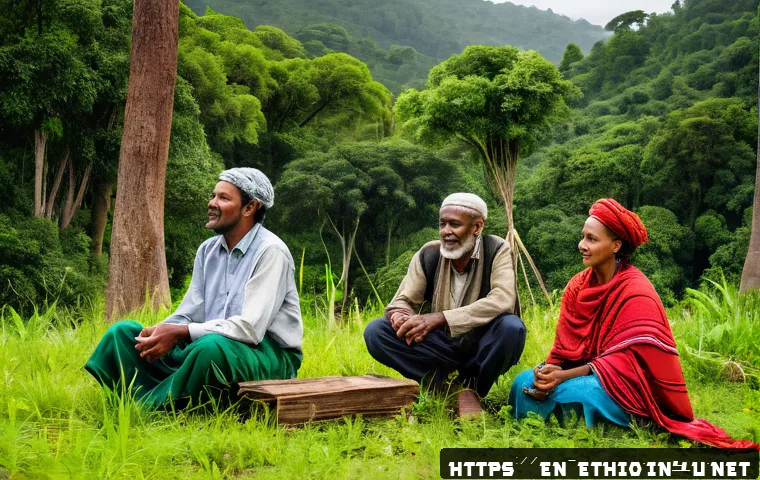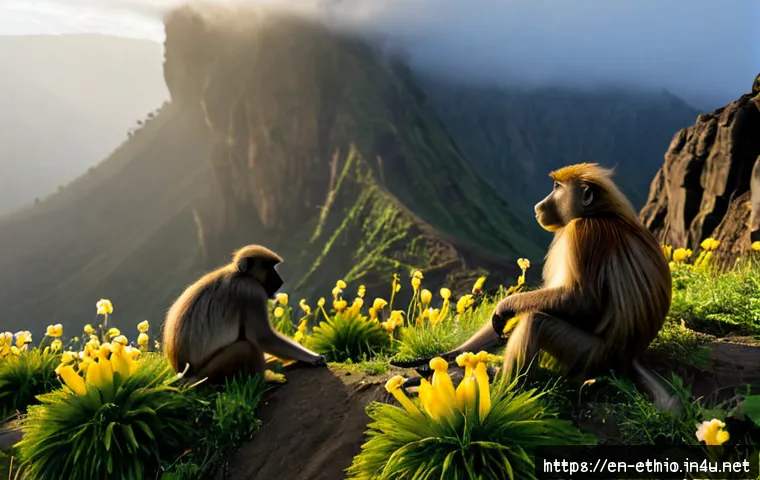
Ethiopia’s highlands are best explored by matching your interest to the habitat: open grasslands for geladas and Ethiopian wolves, rocky mountain terrain for Walia ibex, and forest-edge landscapes for plant diversity and birdwatching.
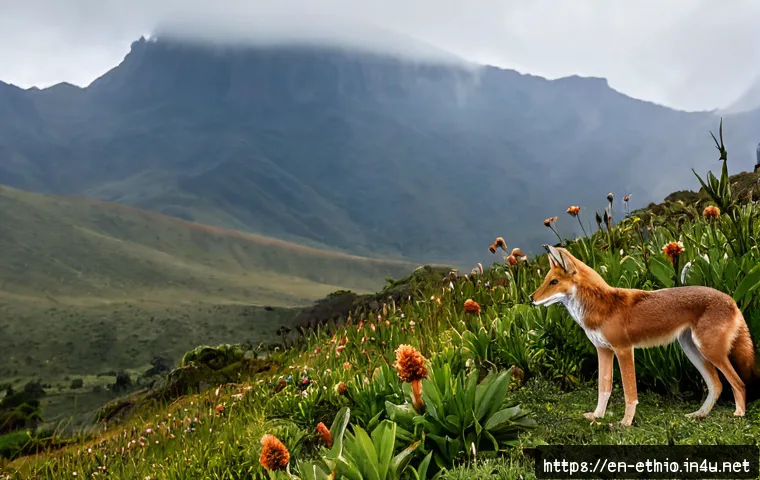
A responsible local guide or organized trek can be especially useful where permits, route conditions, conservation rules, or wildlife-sensitive areas apply.
These landscapes range from montane forests and plateaus to escarpments and high-elevation Afroalpine zones. Cold nights, strong sun, seasonal rain, and changing elevation all affect what you may see.
Before booking an eco-lodge, wildlife tour, or trekking guide, compare habitat type, group size, local expertise, and conservation practices rather than assuming every iconic species occurs in one place.
At a Glance
- Plants: Choose montane vegetation and Afroalpine areas for diverse highland flora, including visually striking giant lobelias.
- Primates and mammals: Open highland grasslands are closely associated with geladas and Ethiopian wolves, while steep northern mountain terrain is linked with Walia ibex.
- Birdwatching: Compare forest-edge, grassland, and rocky habitats, then confirm current local access and guide requirements before travel.
| Habitat or Destination Type | What It May Offer | Guide Need | Gear Focus | Responsible Travel Priority |
|---|---|---|---|---|
| High-altitude grassland | Geladas, Ethiopian wolves, open landscapes | Often useful for wildlife location and local rules | Warm layers, sun protection, water | Keep distance and remain on appropriate routes |
| Rocky mountain terrain | Walia ibex, cliffs, trekking, birdlife | Strongly consider a local trekking guide | Stable footwear and changing-weather layers | Follow route, permit, and safety requirements |
| Montane forest and forest edge | Native trees, shrubs, flowering plants, birdwatching | Useful for plant and bird identification | Rain-ready layers and sun protection | Avoid disturbing vegetation and wildlife |
| Afroalpine terrain | Specialized high-elevation plants and grassland life | Check local conditions before going independently | Cold-weather layers, water, sun protection | Protect fragile habitats and avoid off-trail travel |
A Quick Guide to Ethiopia’s Mountain Ecosystems
The Main Habitats: Montane Forest, Grassland, Cliffs, and Afroalpine Terrain
Ethiopia’s highlands include broad plateaus, steep escarpments, montane forests, grasslands, and very high-elevation Afroalpine habitats. Each setting supports a different mix of plants and animals. Open grasslands can suit visitors hoping to understand gelada behavior or seek the habitat associated with Ethiopian wolves. Rocky mountain country is a better fit for travelers interested in cliffs, trekking, and the terrain linked with Walia ibex. Forest and forest-edge areas can be more rewarding for plant observation and birdwatching.
Why Elevation, Rainfall, and Land Use Shape Biodiversity
At high elevations, cold nights, strong sunlight, and seasonal rainfall shape daily conditions for plants and animals. Habitat quality can also be affected by farming, grazing pressure, roads, settlement growth, and changing rainfall patterns. This means a destination choice should not be based only on a wildlife name. Consider the habitat type, the season, local conservation requirements, and whether the route can be visited with low impact.
Three Key Takeaways for Wildlife-Focused Visitors
First, choose a landscape before choosing a species. Second, treat a local wildlife guide as a source of route knowledge and conservation context, not as a guarantee of sightings. Third, prepare for cold, sun, and variable access conditions even when the day begins clear and mild.
Animals and Plants to Look For by Habitat
High-Altitude Grasslands: Ethiopian Wolves, Geladas, and Specialized Small Mammals
The Ethiopian wolf is closely associated with high-altitude grassland habitats and is one of the country’s most distinctive native mammals. Geladas are adapted to open highland grasslands, where they are known for grazing behavior and large social groups. These are sensitive wildlife-viewing settings. Stay at an appropriate distance, avoid crowding animals, and do not expect the same species in every mountain range or protected area.
Rocky Mountain Areas: Walia Ibex and Cliff-Adapted Birdlife
The Walia ibex is strongly associated with steep, rocky mountain terrain in northern Ethiopia, particularly the Simien Mountains. This environment may appeal to hikers who also want wildlife observation, but route difficulty and local rules matter. A trekking itinerary with local expertise can help travelers understand trail conditions, use appropriate routes, and avoid treating cliff country as a casual walk.
Montane Vegetation: Native Trees, Shrubs, Flowering Plants, and Giant Lobelias
Montane forests and adjacent vegetation provide a different kind of nature experience. Look beyond headline mammals: native trees, shrubs, flowering plants, and changing plant communities are part of what makes highland travel interesting. Giant lobelias are among the most visually distinctive plants associated with high-elevation East African landscapes. For plant-focused visits, a guide with local botanical knowledge may offer more value than a general sightseeing itinerary.
Why Species Lists Vary Between Regions
Species distributions differ between mountain ranges and habitat types. A famous animal associated with Ethiopia’s highlands is not automatically present at every highland destination. Use wildlife lists as a starting point, then confirm the current information with the relevant protected-area authority, conservation-focused operator, lodge, or local guide before making a booking decision.
Comparing Nature Destinations and Guided Travel Options
Self-Guided Walks Versus Local Wildlife Guides
A self-guided walk may suit an accessible area where current rules are clear and the route is appropriate for your experience. A local wildlife guide is usually the better choice when terrain is unfamiliar, wildlife is the main goal, plant identification matters, or permits and sensitive access rules may apply. Guides cannot promise sightings, but they can help visitors observe more carefully and reduce avoidable disturbance.
What to Compare: Permits, Group Size, Route Difficulty, Local Knowledge, and Conservation Practices
When comparing guided tours, look for clear information about permits, route difficulty, group size, safety planning, and local expertise. Ask how the operator handles wildlife distance, waste, off-trail movement, and community involvement. A smaller group is not automatically better, but a provider should be able to explain how its activities protect sensitive habitats.
When a Lodge-Based Stay, Trekking Itinerary, or Specialist Birding Guide Offers Better Value
A lodge-based stay may suit travelers who want a simpler base for short walks and early starts. A trekking itinerary may fit visitors focused on mountain terrain and longer routes. A specialist birding or plant guide can be a sensible option when identification and habitat interpretation are the priority. The best value is not simply the lowest advertised option; it is the experience that matches your interests, preparation level, and responsible-travel expectations.
Travel Costs to Confirm Before Booking
Entrance fees, guide rates, permits, accommodation availability, transport costs, and access conditions can change. Confirm these details directly before booking. It is also sensible to ask what is included, what needs separate arrangement, and what happens if local conservation restrictions alter the planned route.
Responsible Observation: Preparation, Safety, and Common Mistakes
Cold-Weather Layers, Sun Protection, Water, and Altitude Awareness

Highland weather can feel demanding because cold nights, strong sunlight, and elevation can occur in the same trip. Bring layered clothing, sun protection, water, and footwear suited to the route. Match your plan to your own comfort and experience level, especially when a trek involves exposed or rocky ground.
Keeping Distance from Wildlife and Avoiding Disturbance
Good wildlife viewing is quiet and patient. Do not approach animals closely for a photograph, block their movement, or pressure them to react. Ethical photography keeps the animal’s behavior more important than the image. A guide who encourages respectful distance is a positive sign when choosing a nature tour.
Why Feeding Animals and Off-Trail Driving Can Damage Sensitive Habitats
Feeding wildlife changes natural behavior and creates unnecessary disturbance. Off-trail driving and careless movement can also harm fragile vegetation, especially in sensitive high-elevation areas. Follow designated routes where they exist, carry out waste, and choose operators that describe practical low-impact procedures rather than vague environmental claims.
Checking Current Local Access Rules and Guide Requirements
Protected-area rules, local access conditions, and guide requirements may change. Check current information before departure and again when finalizing your plan. This is particularly important if your itinerary depends on a specific trail, a wildlife-viewing area, or a remote highland transfer.
Planning by Interest: Wildlife, Plants, Photography, or Education
Best Approach for First-Time Nature Travelers
For a first visit, choose one primary interest: grassland mammals, mountain trekking, plants, or birdwatching. Then select a destination type that supports that interest instead of trying to cover every ecosystem quickly. A locally guided day or short organized trek can provide a practical introduction to terrain, wildlife etiquette, and current access conditions.
Tips for Photographers Seeking Ethical Wildlife Encounters
Plan for observation rather than a guaranteed image. Use distance and patience, avoid changing an animal’s behavior, and be prepared for strong sun or shifting weather. A photography-friendly wildlife guide should prioritize animal welfare, local rules, and safe positioning over close encounters.
Field-Study Considerations for Students and Educators
Students and educators can use Ethiopia’s highlands to compare how elevation, rainfall, habitat structure, and land use influence biodiversity. Build a study plan around observation, habitat notes, and responsible conduct. For group visits, confirm whether permissions, guide support, or additional conservation requirements apply.
How Conservation-Minded Visitors Can Support Local Communities
Choose guides, eco-lodges, and travel operators that demonstrate local knowledge and clear conservation practices. Respect staff guidance, follow local rules, and avoid activities that create pressure on wildlife or habitats. Thoughtful spending can support services that make low-impact nature travel more practical.
Choosing Criteria and Comparison Summary
Choose grasslands for open landscapes and habitats associated with geladas and Ethiopian wolves. Choose mountain parks and rocky terrain for cliffs, trekking, and the setting linked with Walia ibex. Choose forest-edge areas for plant diversity and birdwatching. Before selecting a guide, lodge, or trek, check permits, current access rules, group size, route difficulty, safety planning, and conservation practices. For final conditions and inclusions, review the official information or the provider’s detailed booking page before committing.
Final Thoughts
Ethiopia’s highland ecosystems reward travelers who slow down and look at habitat as well as wildlife. The most memorable experience may be a grazing gelada group, a rocky ridgeline, a giant lobelia, or simply the contrast between forest, grassland, and Afroalpine terrain. Choose a plan that fits the landscape, prepare for changing conditions, and let local conservation guidance shape your visit. Responsible observation protects both the experience and the habitats that make it possible.
Useful Information
1. Iconic animals are linked to particular habitats, not every highland location.
2. Cold-weather layers, sun protection, water, and suitable footwear are core highland gear.
3. Local guides can be valuable for route selection, wildlife etiquette, and current rules.
4. Plant-focused and bird-focused outings may benefit from specialist knowledge.
5. Check access, permits, costs, transport, and accommodation availability close to travel time.
Important Notes
Wildlife sightings, seasonal conditions, accommodation availability, entrance fees, permits, guide rates, and transport arrangements require current confirmation. Species presence varies by mountain range and habitat type. Local safety guidance, protected-area rules, and conservation restrictions should take priority over a planned itinerary or photography goal.
Frequently Asked Questions
Q1. What animals are most associated with Ethiopia’s high mountain habitats?
A1. Ethiopian wolves are closely associated with high-altitude grasslands, while geladas are adapted to open highland grasslands and known for grazing in large social groups. Walia ibex are strongly associated with steep, rocky northern mountain terrain, particularly the Simien Mountains.
Q2. Is it worth hiring a local guide for wildlife and plant viewing in Ethiopia’s highlands?
A2. It can be worthwhile, especially for unfamiliar terrain, sensitive wildlife areas, plant identification, trekking routes, and locations where current access rules or permits matter. A guide should be selected for local expertise, safety planning, small-impact practices, and clear knowledge of conservation requirements rather than promises of sightings.
Q3. What should travelers compare before booking an eco-lodge or guided trekking tour?
A3. Compare permit arrangements, group size, route difficulty, local expertise, safety planning, wildlife-distance practices, and conservation measures. Also confirm current availability, transport details, fees, and whether access conditions have changed before booking.